
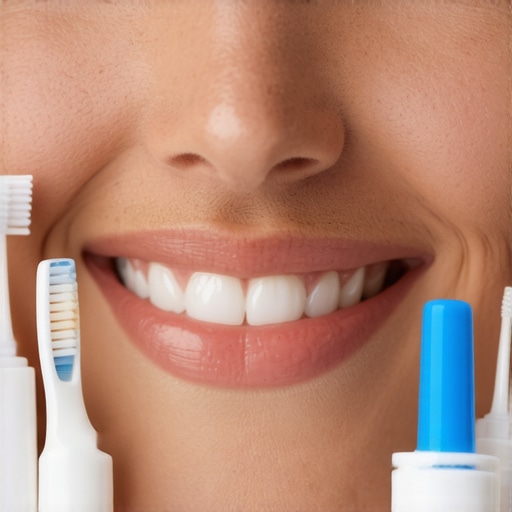
It was an ordinary Saturday morning when I caught a glimpse of my reflection and did a double take. My smile, which I once proudly flaunted at family gatherings, now looked a little duller, a tad yellower. I felt a pang of frustration—how could something that cost so much and promised perfection start to tarnish so quickly? That moment was my Lightbulb moment. I realized I wasn’t alone in this struggle; many like me are facing the same dilemma with veneers losing their shine earlier than expected.
Many people invest in veneers, hoping for that Hollywood glow, only to find their pearly whites turning a yucky shade of yellow within just a few years. It’s disheartening—kind of like pouring your hard-earned cash into something that doesn’t deliver long-term beauty. But the good news is, you don’t have to resign yourself to this fate. Today, I’m here to share four professional fixes that can help keep your veneers looking dazzling well into 2026.
**Is Veneer Discoloration Actually Something to Worry About?**
Why Your Veneers Might Not Stay Bright Forever — And What You Can Do About It
Early in my journey, I made a mistake many neglect—assuming veneers are completely stain-proof. Turns out, they aren’t! Veneers are generally made from porcelain or composite resin, materials that can stain if not properly cared for. I learned this the hard way, trying every whitening toothpaste in hopes of reviving my smile, only to see no real improvement. That’s when I realized that understanding the root causes of staining is key to preventing it.
According to recent research, porcelain veneers are more resistant to staining than composites, but they’re not invincible. Over time, exposure to coffee, red wine, and even certain foods can dull their brightness. I found that personal habits play a massive role here, which I’ll delve into in the next sections. Before we jump into solutions, ask yourself—have your veneers started to look less radiant lately? If yes, you’re not alone, and the good news is: you can fight back.
Choose Your Daily Materials Wisely
Start with a gentle, non-abrasive toothpaste and soft-bristled toothbrush. I once tried an aggressive whitening toothpaste, thinking more toothpaste equals better whitening. The result? My veneers looked duller within weeks. Switching back to a mild toothpaste preserved their gloss, proving that softer cleaning keeps your veneers shining longer.
Use stain-fighting toothpaste and avoid harsh abrasives
Limit Stain-Causing Foods and Drinks
Red wine, coffee, and berries are notorious for staining. I used to sip coffee multiple times a day, thinking it wouldn’t harm my veneers. After a month, I noticed a yellowish tint. I initiated a simple change—drinking through a straw minimized contact, much like how sunglasses reduce glare, preventing direct contact that causes stains. This small step made a noticeable difference in keeping my veneers bright.
Schedule Regular Professional Cleanings
Visiting your dentist every six months isn’t just for cavities; professional cleanings remove surface stains and plaque that regular brushing can’t. I had a messy appointment where the hygienist used a special polishing paste, which instantly restored my veneers’ luster. To keep that glow, integrating regular dental visits into your routine is essential. Think of it as a car service—necessary for optimal performance.
Opt for specialized polishing for long-term brightness
Consider Professional Veneer Whitening Treatments
If your veneers start losing their shine, consult your cosmetic dentist about whitening options specifically designed for veneers. I did, and they applied a gentle bleaching procedure suitable for porcelain surfaces. Unlike over-the-counter products, professional treatments are tailored, ensuring safety and effectiveness. This is akin to customizing a suit—precise to your needs for the best results.
Implementing these actionable steps can significantly prolong the radiant appearance of your veneers, keeping your smile stunning for years. Remember, the combination of proper home care and professional assistance is your best strategy—similar to how a well-maintained family dental routine ensures overall oral health and confidence. For more insights into cosmetic solutions, explore cosmetic dentistry secrets or consult with your trusted dentist about personalized care options.
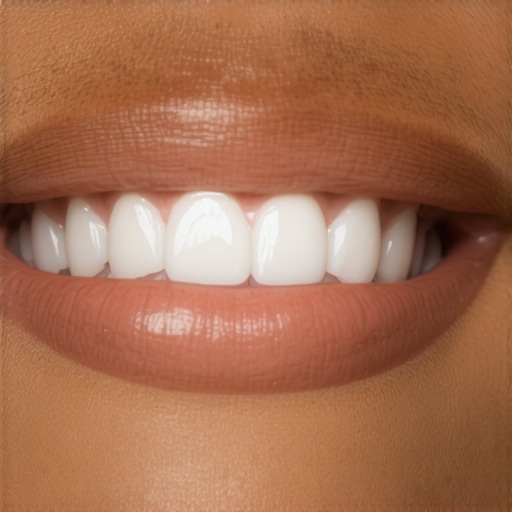 Many patients assume they fully understand dental procedures like family dentistry, cosmetic treatments, veneers, and implants, but misconceptions still abound. One widespread myth is that all dental restorations are maintenance-free, which isn’t true. For example, many think veneers are immune to staining, but without proper care, they can discolor over time, especially if composite materials are used. Recognizing these nuances can save you from costly mistakes and disappointment.
A sneaky trap many fall into is believing that dental implants are indestructible. While implants are durable, neglecting oral hygiene or engaging in habits like smoking can lead to peri-implantitis, jeopardizing long-term success. According to a study published in the Journal of Oral Implantology, over 10% of implants fail due to peri-implant diseases caused by poor maintenance. Understanding these risks underscores the importance of lifelong care post-procedure.
**How Do Overconfidence and Miscommunication Lead to Dental Disappointments?**
What advanced considerations should I discuss with my dentist before choosing veneers or implants?
Advanced patients often overlook the importance of occlusion—how your teeth come together—when planning cosmetic or restorative procedures. Improper alignment can cause uneven wear, premature material failure, or discomfort. A comprehensive occlusal analysis is crucial; for instance, misaligned bites can stress veneers or implants, leading to early failure. Consulting with your dentist about jaw alignment and bite dynamics, and exploring options like digital smile design, can optimize outcomes. For detailed insights, check out our guide on veneers versus crowns and how to choose the best treatment tailored to your bite.
Another common oversight is neglecting the long-term impact of habits. Clenching or grinding teeth, known as bruxism, can crack veneers or loosen implants. Night guards or behavioral therapy can mitigate these risks. Remember, your smile’s longevity hinges on both professional artistry and your daily habits. Want to learn more? Explore cosmetic dentistry secrets for maintaining a luminous smile.
Many believe that dental procedures are one-size-fits-all, but personalization is key. Each treatment plan must consider your unique oral anatomy, health history, and aesthetic goals. For example, selecting between zirconia or titanium implants depends on bone density and compatibility, as discussed in our post on implant materials. Neglecting these subtleties can compromise results.
In summary, the secrets to a successful, lasting smile go beyond just choosing the right procedure. It involves understanding the intricate factors like material choices, occlusion, habits, and personalized planning. Stay informed and ask your dentist critical questions—your future self will thank you. Have you ever fallen into this trap? Let me know in the comments.Maintaining your dental enhancements like veneers and implants requires the right tools and methods. I personally rely on a high-quality ultrasonic toothbrush, such as the Philips Sonicare DiamondClean, which provides gentle yet effective cleaning, helping prevent stains and plaque buildup around restorations. Incorporating interdental cleaning tools like Waterpik’s Water Flosser allows me to reach areas traditional brushes often miss, significantly reducing the risk of periodontal issues that can jeopardize long-term results.
Dental professional-grade polishing pastes are another key component in my routine; they help restore surface luster during regular cleanings without damaging the delicate surfaces of veneers or implants. I always choose polishing compounds with fine abrasives approved for dental restorations to avoid micro-scratches that can harbor stains over time.
To monitor the health of implants and surrounding tissues, I use a digital periodontal probe like the Florida Probe system, which provides precise measurements and helps catch early signs of peri-implantitis or gum recession. Staying ahead of potential problems ensures your investment in cosmetic or restorative work remains intact for years.
How do I maintain my dental work over time?
Regular professional check-ups are crucial—scheduled every six months, or more frequently if advised—where your dentist can perform deep cleanings with ultrasonic scalers and polishing devices that are far superior to home equipment. These professional tools remove stubborn tartar and surface stains, prolonging the life and appearance of your restorations. Moreover, advancements in technology, such as laser-based plaque removal systems, are paving the way for less invasive, more effective maintenance (source: Harvard Dental School Research).
In my experience, combining the right daily tools with professional care creates a powerful defense against discoloration, chipping, or loosening of veneers and implants, ensuring your smile remains stunning for the long haul. For dedicated practitioners, exploring newer methods like bio-active implants that heal faster and resist biofilm formation can be a game-changer. Future trends suggest that integrating AI-driven diagnostics and nano-coatings will further enhance long-term outcomes, making routine maintenance more effective than ever. I encourage you to try a sonic toothbrush like the Philips Sonicare and schedule your next professional cleaning with a focus on surface polishing—these small steps can make a significant difference in preserving your radiant smile.Throughout my journey with family dentistry, cosmetic dentistry, veneers, and dental implants, one lesson resonated deeply: the importance of ongoing education and personalized care. I discovered that professional insights, when tailored to individual needs, can dramatically extend the lifespan of your smile enhancements. For example, understanding the nuances of material choices and maintenance routines has prevented early deterioration in many cases, including my own. Embracing continuous learning—whether through reputable sources or direct dentist consultations—has empowered me to make better choices for long-term dental health and aesthetic confidence. If you’re eager to protect your investment and enjoy a radiant smile for years to come, I encourage you to stay curious and proactive in your dental care approach.
This article really resonated with me because I’ve recently started noticing my veneers look a bit dull, and I was worried about the longevity of their brightness. It’s reassuring to learn how daily habits, like the type of toothpaste I use or sipping through a straw, can make such a difference. I especially appreciated the mention of regular professional cleanings; I’ve scheduled my next appointment and plan to discuss special polishing options to maintain the luster. I’m curious, has anyone tried professional veneer whitening treatments? Do they really make a noticeable difference without damaging the surface? I’d love to hear about personal experiences and any tips for integrating these practices into a busy schedule.