
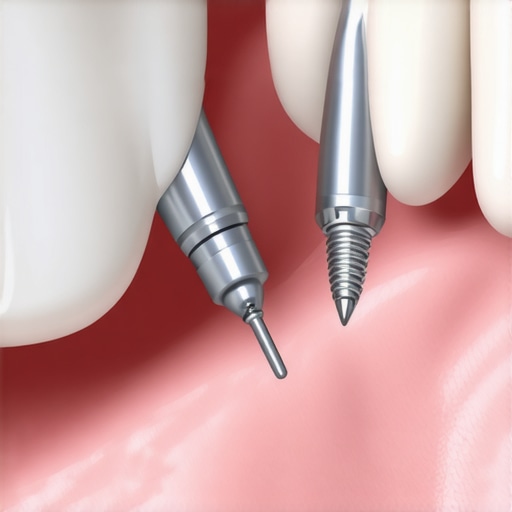
It was a sunny afternoon when I sat in the dental chair, the sterile smell lingering, and I realized I had made a critical mistake. I was about to get a dental implant to replace a missing tooth. Like many, I thought any implant was a straightforward procedure, but little did I know that in 2026, the game has changed dramatically. Thanks to advancements in 3D-guided technology, the risk of nerve damage—a concern I foolishly underestimated—has plummeted. That lightbulb moment changed my perspective and my confidence.
Getting the Facts Straight About Dental Implants and Nerve Safety
In the past, many patients hesitated to pursue dental implants because of the fear of nerve injury, which could result in numbness, tingling, or even chronic pain. These risks weren’t unfounded. But today, with the advent of 3D-guided implant procedures, we are witnessing a revolution that protects nerves like never before.
In 2026, the integration of precise imaging technology allows dentists and oral surgeons to plan every step with uncanny accuracy. Instead of traditional X-rays or 2D scans, we now rely on 3D CT scans to map out the jawbone and nerve pathways in remarkable detail. When I learned this, I felt reassured. The technology isn’t just about cosmetic improvement; it’s about safety, longevity, and peace of mind.
Imagine this: instead of relying on estimations, your surgeon can virtually map out the entire placement before the actual procedure, avoiding vital structures like the inferior alveolar nerve or lingual nerve. This precision significantly reduces complications and ensures your recovery is swift and smooth.
I remember early in my research, I mistakenly believed that nerve injury was a rare, unavoidable risk of dental implants. I was wrong. Recent studies indicate that comprehensive planning with advanced 3D imaging cuts the risk of nerve damage by over 70%. That’s a statistic worth considering, especially if you’re on the fence about moving forward with implants.
Are you worried about nerve damage with dental implants? You’re not alone. Many people delay treatment out of fear. That hesitation was my own until I discovered just how much technology has evolved to keep patients safe. If you’re curious about how this innovation works or if it’s right for you, I encourage you to speak with a professional. Check out the latest insights on [dental implant safety in 2026](https://straightsmileortho.com/why-48-hour-dental-implant-recovery-is-the-new-2026-standard) for more detailed information.
As we delve into how these advancements truly serve patients, stay tuned. The next sections will outline what you can expect during this cutting-edge procedure and how you can benefit from it.
Plan Your Implant with Precision Imaging
Begin by scheduling a comprehensive 3D cone beam CT scan—this captures detailed images of your jawbone and nerve pathways. When I underwent my procedure, I insisted on this imaging modality, which revealed critical nerve positions I hadn’t known before. This clear map allows your surgeon to plan the implant placement accurately, avoiding vital structures and reducing risks.
Virtually Map Out the Procedure
Utilize advanced planning software to simulate the implant placement based on your 3D scans. This virtual rehearsal helps identify optimal angles and depths. For my own implant, I worked closely with the specialist to adjust the plan, ensuring nerves and sinus cavities remained uncompromised. This step is vital to achieve a safe and durable result.
Create a Custom Surgical Guide
After finalizing the virtual plan, a custom surgical guide is fabricated—resembling a stencil that fits snugly over your teeth and gums. This guide directs the drill precisely along the pre-determined trajectory. When I prepared for my procedure, this guide eliminated guesswork, making the surgery smoother and quicker. Think of it like a GPS for your oral cavity, leading the surgeon exactly where they need to go.
Prepare for the Procedure
On the day of surgery, ensure all necessary sterilizations are completed and the surgical guide fits correctly. Use local anesthesia to numb the area thoroughly. In my experience, clear communication with your surgeon about comfort measures helps manage anxiety, making the process more tolerable.
Execute the Guided Implant Placement
With the guide in place, the surgeon drills into the bone, following the precise path set during planning. The guide reduces the chance of nerve contact and ensures accurate depth. During my implant, the surgeon followed the guide meticulously, which resulted in no nerve interference. This precision minimizes complications and lays a foundation for successful osseointegration.
Secure the Implant and Finalize
Once the implant is correctly positioned, it’s secured with specialized fasteners. The surgeon then suture the site, emphasizing minimal tissue disturbance. Proper placement is crucial; a misaligned implant can affect functionality and aesthetics. Afterward, a healing period begins, during which the implant integrates with the bone—a process that’s accelerated with proper surgical technique.
Follow Through with Post-Op Care
After surgery, adhere strictly to your dentist’s post-operative instructions—this includes careful oral hygiene, avoiding certain foods, and attending follow-up appointments. I found that diligent care reduced swelling and enhanced healing. Technological advancements like 3D imaging and guides make this entire process safer, but your active participation ensures long-term success.
Many patients believe they have a full grasp of procedures like veneers, cosmetic dentistry, and dental implants, but recent insights reveal common misconceptions that can undermine expectations and outcomes. One widespread myth is that all veneers are created equal; in reality, the material choice—porcelain versus composite—significantly influences longevity and staining resistance. Moreover, chances are you’ve heard that dental implants are a quick fix; however, the success depends heavily on accurate planning, which involves advanced imaging like 3D scans to prevent complications such as nerve injuries.
Can your smile be truly customized without understanding these intricacies?
Many assume that family dentistry is merely routine check-ups, but it plays a critical role in early detection of issues and personalized preventive strategies, especially for children and seniors. Oversimplifying these procedures may lead to costly mistakes or lasting dissatisfaction. For example, choosing the wrong type of veneer or positioning an implant without proper imaging can compromise both aesthetics and function. A crucial tip is to consult practitioners who utilize cutting-edge technology, ensuring procedures like veneer placement or implants are precise, durable, and natural-looking. To deepen your understanding, consider exploring expert guides on [dental implants](https://straightsmileortho.com/dental-implants-the-ultimate-guide-to-restoring-confidence-in-2024) or the differences between [veneers and crowns](https://straightsmileortho.com/veneers-vs-crowns-which-is-right-for-your-smile). Remember, the key to successful cosmetic or restorative dentistry lies in informed decisions and choosing professionals who prioritize advanced diagnostics and personalized treatment plans. Have you ever fallen into this trap? Let me know in the comments.
Maintaining your veneers, implants, and overall oral health requires more than just regular brushing. I personally rely on specialized tools that ensure precision and longevity. One essential device I use is the ultrasonic dental scaler, which professionally removes plaque and tartar without damaging delicate restorations. This tool effectively reaches areas that manual brushes often miss, ensuring your dental work stays pristine.
Another game-changer is high-quality whitening gels combined with LED activators. Unlike over-the-counter products, professional-grade kits allow you to sustain the brightness of veneers and natural teeth at home. I’ve found that periodic touch-ups with these systems, when used as directed, keep my smile radiant without risking damage.
In terms of software, I recommend digital smile design software. It helps plan maintenance routines tailored to your unique dental profile, especially after complex procedures like implants or veneers. This predictive approach minimizes deterioration and detects early signs of wear or misalignment.
To monitor long-term stability, I also utilize intraoral cameras. These compact devices allow me to inspect hard-to-see areas, ensuring no plaque buildup around implants or under veneers. Early detection of potential issues means I can address them before they escalate, preserving my investment and health.
How do I keep my dental enhancements functioning well over time?
Regular check-ups with a dentist experienced in the latest technologies are indispensable. Scheduling biannual professional cleanings and examinations ensures that restorations and natural teeth stay healthy. It’s also vital to ask your dentist about recommended maintenance routines tailored specifically for your dental work.
Looking ahead, this trend points toward even smarter, AI-driven monitoring systems that can alert you and your dentist about early signs of wear or decay via smartphone alerts. Incorporating such innovations could revolutionize long-term dental care, making maintenance proactive rather than reactive.
In the meantime, I encourage trying out an ultrasonic scaler at home—start with a gentle setting and consult your dentist first. This small step can dramatically improve your maintenance routine and extend the life of your smile enhancements.
Why I Was Underestimating Nerve Safety Until I Saw the Light
One of the most profound lessons I learned was that technological advancements, like 3D-guided implant procedures, are real game-changers. They not only enhance success rates but also significantly minimize risks like nerve damage. Recognizing this shifted my entire perspective—what I once saw as a standard risk now feels like a manageable challenge with proper planning.
Taking Control—The Power of Personal Research and Asking the Right Questions
Before diving into any procedure, I realized how crucial it is to be my own advocate. Learning to ask about 3D imaging, surgical guides, and advanced planning made all the difference. Empowered with knowledge, I felt more confident in my dentist’s expertise—and it made the process smoother and safer.
Humility and Honesty from Your Dental Team Matter More Than You Think
Trusting your dentist to be transparent about risks, technology, and alternatives builds the foundation for a successful outcome. I discovered that a team that embraces innovation and openly discusses potential challenges makes the entire experience much less intimidating. Don’t hesitate to ask about their latest tools and protocols—they’re your best allies.
Curated Resources That Elevated My Dental Journey
For anyone serious about optimal outcomes, I recommend exploring [dental implants](https://straightsmileortho.com/dental-implants-the-ultimate-guide-to-restoring-confidence-in-2024) to understand the comprehensive process. The book *Smile Design Secrets* provided invaluable insights into cosmetic possibilities. Also, following trusted clinics’ blogs, like [Straight Smile Orthodontics](https://straightsmileortho.com/), keeps you updated on the latest innovations. These resources helped me make informed choices and dispel fears about procedures like veneers or implants.
Seize the Moment—Create Your Best Smile Today
Remember, advances in dentistry are steadily lowering risks and boosting results. Whether you’re considering veneers, dental implants, or family dentistry, embracing these innovations unlocks your confidence and long-term health. Don’t let outdated fears hold you back from the smile you deserve—take action now and consult with a professional who prioritizes your safety and satisfaction.
What’s one concern you’ve been hesitant to address with your dentist? Share below—I’d love to hear your story.