I’ll never forget the morning I looked in the mirror and felt a sudden, sharp pang of betrayal. There it was—a tiny, jagged overlap on my two bottom front teeth that definitely wasn’t there a month ago. After two years of metal braces and a small fortune spent on my smile, everything was starting to buckle like a sidewalk near an overgrown tree root. I felt like I had failed. My big mistake? I assumed that since my wisdom teeth weren’t screaming in pain, they weren’t doing any damage. I was wrong. By the time I finally sat in the dentist’s chair, those third molars had been playing a slow-motion game of bumper cars with the rest of my mouth for nearly a year. If you are starting to see your teeth overlap or feel a strange pressure in your jaw, you aren’t imagining things. Today, I’m going to walk you through exactly how to spot these changes before you end up needing a second round of orthodontics. Have you noticed a new gap or a bit of crowding in your smile recently?
How I Almost Ruined My Braces Results by Waiting Too Long
It started with a subtle tightness. I didn’t think much of it until I realized my floss was getting stuck in places that used to be easy to reach. I should have looked into how to stop your teeth from shifting the moment I felt that first tweak. The reality is that wisdom teeth don’t always come in with a bang; sometimes they just exert a persistent, microscopic force called mesial drift. This pressure can ripple all the way to the front of your mouth. According to the American Association of Oral and Maxillofacial Surgeons, roughly 85% of wisdom teeth eventually need to be removed to avoid crowding or infection. I was part of that 85%, but I waited until my lower incisors were visibly crooked. If you’re feeling that same dull ache, you should probably check how to tell if your wisdom teeth are coming in sideways because once that front-row movement starts, it doesn’t just stop on its own.
Is My Crowding Actually Caused by These Molars?
There is a lot of debate in the dental world about whether third molars have enough ‘oomph’ to push every other tooth forward. From my personal experience—and the experience of countless neighbors I’ve talked to—the answer is a resounding yes. When there is no room in the back of the bus, everyone else has to scoot down, and your front teeth are the ones who get pushed off the seat. It’s a completely different sensation than when your front teeth feel weak when biting into apples; it’s a deep, structural pressure. I wish I hadn’t been so skeptical. I thought the ‘wisdom tooth scare’ was just a way for surgeons to make money, but my crooked bottom row proved me wrong. If you catch it early, you might just need a simple extraction and a new retainer rather than a full set of veneers to fix the aesthetic damage. We’re going to dive into the specific physical red flags next, so you can tell the difference between normal aging and a wisdom tooth invasion.
Stop the Shifting Before It Becomes Permanent
To stop your smile from buckling, you have to think like an engineer. Your mouth is a closed system with a fixed amount of space. When wisdom teeth try to force their way into the back of the line, the pressure has nowhere to go but forward. It is like trying to fit a size 10 foot into a size 8 shoe; eventually, the seams are going to burst. You need to identify the exact moment that mesial drift starts to win. This is not just about aesthetics; it is about preserving the foundation of your oral health. If you have already invested years in orthodontics, knowing how to stop your teeth from shifting is the only way to protect that investment. When I finally saw my surgeon, he explained that the jaw is like a game of pool. When the cue ball, the wisdom tooth, hits the pack, the energy travels through every single tooth until it hits the ones at the front. My front teeth were essentially the bumpers at the end of the table. To stop this, you have to remove the cue ball before it makes contact.
Run the Floss Test to Detect Hidden Tension
One of the most reliable ways to catch movement early is the Floss Test. I remember sitting at my desk, absent-mindedly flossing after lunch, and realized my usual routine was suddenly impossible. The string was not just tight; it was shredding against the sides of my teeth. This happens because the pressure from third molars squeezes your teeth together long before they actually rotate or overlap. If you notice that why your teeth feel fuzzy only hours after cleaning them is because you cannot reach the gaps effectively anymore, you have a problem. Grab a piece of high-quality floss and move it between your front six teeth. If it snaps loudly or requires significant force to pull through, those molars are likely pushing. This is the same kind of localized pressure people feel when experiencing the reason your jaw aches every time you wear your aligners—it is the sensation of bone and ligament being forced to move.
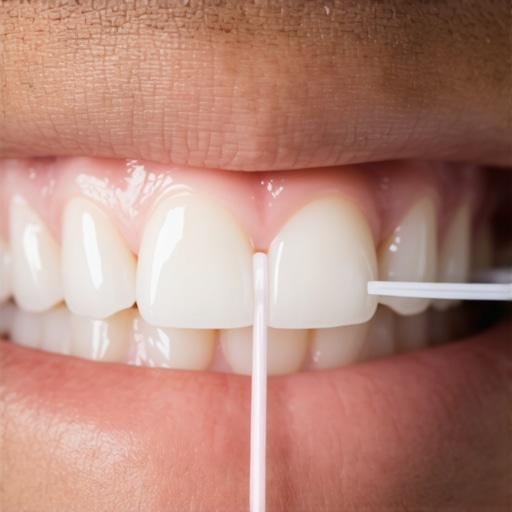
Track Your Midline for Subtle Shifts
Take a high-resolution photo of your smile today and compare it to one from six months ago. Specifically, look at your midline—the vertical line where your two front teeth meet. If it is starting to tilt or shift toward one side, it is a sign of uneven pressure from the back. I once ignored a slight tilt in my lower teeth for months, thinking it was just my imagination. By the time I went in for a checkup, my teeth had actually shortened their visible surface area because they were tilting backward. If the damage is already done, you might have to choose between veneers vs crowns choosing the best option for your smile to restore the symmetry. Prevention is much cheaper than restoration, and catching a shift early can save you from a complete smile overhaul.
Schedule Early Imaging to See the Invisible
The best technique for managing wisdom teeth is early intervention through regular imaging. You simply cannot see what is happening under the gums without a panoramic X-ray. This is a core part of family dentistry tips for a lifetime of healthy smiles. Do not wait for the pain. If the X-ray shows the molars are angled toward your existing teeth, they need to come out before they cause a chain reaction. I made the mistake of waiting for the ache. By the time the ache arrived, the crowding was permanent. Once you get them removed, follow the recovery steps closely, including learning how to clean your mouth after a wisdom tooth extraction, to ensure you do not end up with infections that can further damage your jawbone.
Let’s dig deeper into a nuance that most people—and even some general dentists—tend to gloss over. We often treat cosmetic fixes like a fresh coat of paint on a house, but if the foundation is shifting due to those late-blooming wisdom teeth or age-related movement, that paint is going to crack. A common myth I hear is that veneers can ‘straighten’ any smile. In my experience, if you try to mask significant crowding with porcelain without addressing the underlying alignment, you end up with what I call the ‘fridge door’ effect—teeth that look unnaturally thick and flat.
Why Slapping Veneers Over Crowded Teeth Usually Backfires
Everyone says veneers are the ultimate shortcut, but here is the contrarian reality: if your teeth are overlapping, a technician often has to shave down significantly more of your healthy enamel to make the veneers sit flush. If they don’t, you fall into the trap of why your new veneers feel bulky against your lips. It is a physical sensation that never quite goes away. The goal should be veneers transformation unlocking your best smile yet, but that requires a canvas that is already relatively stable. If you’re still dealing with the ‘bumper car’ pressure of wisdom teeth, your expensive new smile could literally be pushed out of alignment from behind.
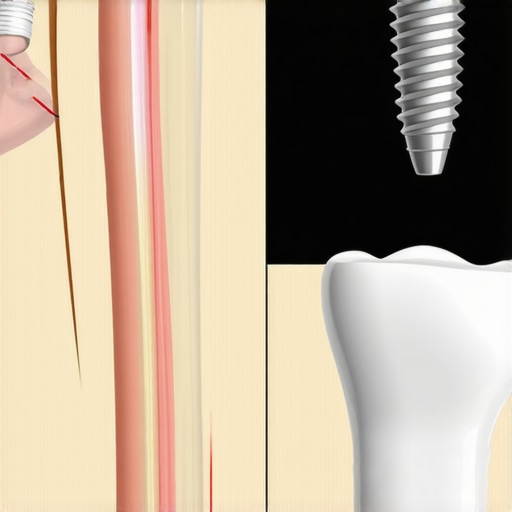
Why Does Your Dental Implant Crown Look Shorter Than Your Other Teeth?
This is a sophisticated question I get from readers who have already invested in restorative work. It is often not a mistake by the lab, but a result of natural bone changes. Unlike natural teeth, which are held in place by a flexible periodontal ligament, a dental implant is fused directly to the bone. According to a study published in the International Journal of Implant Dentistry, natural teeth continue to move microscopically throughout your life, while implants stay anchored like a pier in the ocean. This is exactly why your dental implant crown looks shorter than other teeth over time; your natural teeth are actually shifting around it. If you’re considering how how dental implants reshape your oral health in 2025, you have to account for this ‘static’ nature of the implant versus the ‘dynamic’ nature of your biological teeth.
Avoid the Piano Key Mistake
The biggest ‘oops’ factor in cosmetic dentistry is failing to match the translucency and ‘shimmer’ of your natural teeth. When people rush the process, they often fall victim to the mistake that makes porcelain veneers look like piano keys—where every tooth is the same monochromatic, opaque white. It looks fake because natural teeth have depth and varying shades. If you are also managing family dentistry tips for a lifetime of healthy smiles, remember that aesthetic beauty must follow functional health. Have you ever fallen into this trap of choosing a ‘quick fix’ only to realize later that the underlying issue was still there? Let me know in the comments below, and let’s talk about how to fix it the right way.
Upgrade Your Toolkit to Save Your Smile
If you are treating your veneers or implants the same way you treated your natural teeth a decade ago, you are likely shortening their lifespan. I learned this the hard way when I found out that traditional string floss can actually snag on the margins of a crown if you are not using the specific “C-shape” wrap technique. Today, I rely on a professional-grade water flosser equipped with a specialized plaque-seeker tip. This is not just about convenience; it is a critical component of family dentistry tips for a lifetime of healthy smiles. The pulsating water action reaches into the periodontal pockets that brushes miss. For those with implants, the benefit of using a water flosser with your braces or restorations is that it removes significantly more plaque than string alone without the risk of physical trauma. This is especially important when learning how to safely clean a dental implant without scratching the post, because even microscopic scratches can harbor colonies of bacteria that lead to peri-implantitis.
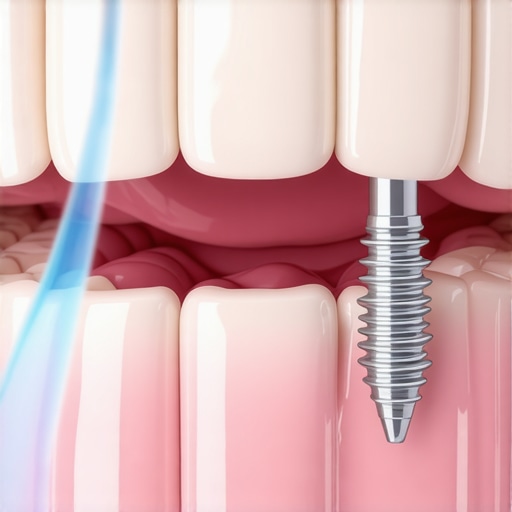
How do I keep my dental work looking brand new for decades?
Maintaining the luster of your smile involves more than just cleaning; it requires managing the structural forces in your mouth. A landmark study in the Journal of Oral Implantology emphasizes that the long-term success of an implant is deeply tied to the health of the surrounding soft tissue and the management of occlusal (bite) forces. This is why a custom-fitted night guard is the single most important tool for anyone who has undergone a veneers transformation unlocking your best smile yet. I personally use a dual-laminate guard—it has a hard outer surface to resist grinding and a soft inner layer for comfort. Without this protection, why your porcelain veneers feel gritty to your tongue might actually be the first sign of micro-fractures in the ceramic. Staying educated on the future of dental implants cutting edge techniques in cosmetic dentistry ensures you are using the most bio-compatible methods available to keep your smile stable.
Watch for the Subtle Signs of Wear Before They Break
Looking ahead at how dental implants reshape your oral health in 2025, we are entering an era of proactive, digital monitoring. I predict that home care will soon involve AI-powered cameras in our toothbrushes that can detect the difference between healthy gums and early-stage inflammation. Until that tech hits your bathroom counter, you have to be vigilant about the “invisible” changes. If you ever wonder why your dental implant is showing a tiny dark line or why your bite feels slightly heavy in the morning, these are indicators of shifting pressure. To protect your investment, I recommend switching to a pH-neutralizing oral rinse tonight. This helps maintain the integrity of the bonding agents in your veneers by preventing acidic erosion. Try this for one week, and you will notice that your teeth feel smoother and look significantly brighter under natural light.
The Hard Truths My Dentist Left Out About Your Smile’s Future
Reflecting on my journey, I have realized that a perfect smile is not a static achievement but a state of maintenance. First, retention is a lifelong commitment; if you stop wearing your retainer, your teeth will naturally try to return to their original positions, especially under the pressure of late-erupting molars. Second, your jaw bone density and shape actually evolve as you age, making professional cosmetic dentistry secrets to boost your confidence more about long-term stability than just surface-level aesthetics. Lastly, don’t ignore the ‘silent’ movements. By the time you notice a visible gap or overlap, the underlying structural shift has likely been progressing for months. Vigilance is the only way to avoid a second round of braces.
Small Investments That Keep My Teeth from Moving
I have narrowed down my daily routine to a few non-negotiables that have saved me thousands in potential corrective work. I swear by a professional-grade water flosser because the benefit of using a water flosser with your braces or permanent retainers is unmatched for maintaining the integrity of the gum line. I also never skip my custom-fitted night guard; it is the primary defense against the micro-fractures that explain why your porcelain veneers feel gritty to your tongue. #IMAGE_PLACEHOLDER_E# For long-term planning, I prioritize a digital panoramic X-ray every two years as part of my family dentistry tips for a lifetime of healthy smiles. These tools aren’t just accessories; they are the insurance policy for your dental health.
Secure Your Smile Strategy for the Next Decade
Your smile is one of your most valuable assets, and protecting it should be proactive rather than reactive. By catching wisdom tooth movement early and staying informed about the future of dental implants cutting edge techniques in cosmetic dentistry, you are already ahead of 90% of patients. Do not wait for a visible shift or a sharp ache to take action. If you feel even a hint of new pressure in your jaw, it is the perfect time to contact us and get a professional assessment. You have worked hard for your results—let’s make sure your wisdom teeth don’t undo that progress. Have you noticed your teeth shifting years after your braces were removed? Let me know your experience in the comments below!