I’ll never forget the sinking feeling in my stomach when I looked in the mirror three weeks after a minor basketball collision. My left front tooth didn’t look like its neighbors anymore. It had this eerie, dull slate cast to it, like a tiny storm cloud had moved into my mouth. I tried to ignore it, hoping it was just a temporary bruise. I even made the classic rookie mistake of buying every whitening strip at the local pharmacy, thinking I could just bleach the grey away. Spoiler alert: it didn’t work. The problem wasn’t on the surface; it was happening deep inside the tooth structure. If you are staring at a discolored tooth right now, don’t panic. Today, I am going to walk you through exactly why this happens and the real-world steps you can take to bring back your bright smile. Have you ever noticed one of your teeth changing color after a bump or a fall? I’d love to hear your story in the comments below.
The moment I realized my tooth wasn’t just ‘bruised’
It starts subtly. Maybe you caught an elbow during a game or tripped and hit your face on a coffee table. At first, you might just wonder why your tooth feels loose after a hard hit during sports, but you assume it will tighten back up. And often, it does. But then, days or weeks later, the shade begins to shift. This discoloration is actually a sign of trauma to the pulp—the living part of your tooth. When the blood vessels inside are damaged, they can leak, and the iron in your blood begins to stain the tooth from the inside out. It is very similar to how a bruise forms on your skin, but because it is trapped behind hard enamel, it can’t just fade away on its own.
Does a grey tooth mean it’s gone for good?
The biggest fear we all have is that the tooth is ‘dead’ and needs to be pulled immediately. That is not always the case! While a grey hue often points toward pulp necrosis, some teeth can actually recover, or at least remain functional for years with the right help. According to the American Association of Endodontists, nearly 5 million teeth are knocked out or injured every year, and many are saved through prompt intervention. The key is knowing how to differentiate between a temporary ‘concussion’ of the tooth and a permanent loss of vitality. If you caught the issue early, you might just need to learn how to whiten your teeth if you have deep internal stains through professional methods.
Why the color shifts from white to ghost-grey
When the blood flow is cut off or the internal tissues become necrotic, the tooth loses its natural translucency. It becomes opaque. This is where I really struggled; I kept trying to treat it like a coffee stain. But internal staining is a different beast entirely. In my case, I had to look into long-term restorative options. If the damage is purely cosmetic but the tooth is still structurally sound, you might find yourself weighing veneers vs. crowns: choosing the best option for your smile. It is a frustrating journey, I know, but understanding the biological ‘why’ behind that grey shadow is the first step to making an informed decision with your dentist.
Get a professional X-ray before you touch a whitening kit
The very first step in this process isn’t cosmetic; it’s diagnostic. You cannot treat what you can’t see, and in the case of a grey tooth, the real story is hidden beneath the gum line. I remember sitting in the dentist’s chair, convinced my tooth was a lost cause. My dentist explained that we needed to check the root for signs of resorption or infection. If you notice any unusual bumps on the tissue above the tooth, you need to know how to tell if that white spot on your gum is an abscess. An abscess indicates an active infection that requires immediate attention, often a root canal, before you can even think about the color of the enamel. Skip this step, and you’re just putting a fresh coat of paint on a house with a crumbling foundation.
How ‘walking bleach’ erases stains from the inside out
If the tooth is dead but structurally sound, a standard over-the-counter strip will do nothing. You have to address the ‘bruise’ inside. This is where how to whiten your teeth if you have deep internal stains involves a technique called ‘walking bleach.’ During this procedure, a dentist creates a tiny access point in the back of the tooth, places a specialized whitening agent inside the pulp chamber, and seals it up for several days. I had this done on my left front tooth after my basketball injury. I walked around for about a week with that internal treatment doing the heavy lifting. Every morning, I would look in the mirror and see the slate-grey color slowly lifting, replaced by a creamy white that actually matched my other teeth. It was the first time in months I felt like my face looked ‘right’ again. 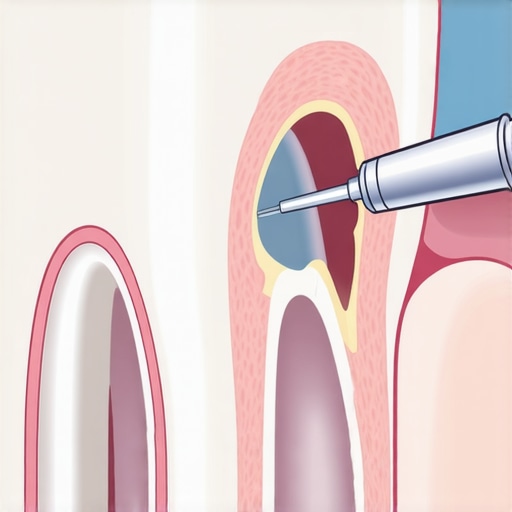
Choosing a permanent shield for a fragile tooth
Sometimes, internal bleaching isn’t enough, or the tooth becomes too brittle after a root canal to stand on its own. This is when we dive into cosmetic dentistry secrets to boost your confidence by choosing a more permanent restoration. You’ll likely be weighing veneers vs. crowns: choosing the best option for your smile. A veneer is like a thin porcelain shell, while a crown covers the entire tooth like a protective helmet. If the goal is purely aesthetic, a veneer is great, but you must work with a skilled technician to avoid the mistake that makes porcelain veneers look like piano keys. You want translucency and texture, not just a bright white block. Keep in mind that the reason your veneers look different in sunlight versus indoors is due to the way light passes through the material, so shade matching is an art form. In the rare case that the tooth cannot be saved at all, modern technology has provided an incredible fallback. Understanding how dental implants reshape your oral health in 2025 shows that replacing a compromised tooth with a titanium post can actually protect your jawbone and surrounding teeth better than leaving a failing root in place.Let’s dig deeper into the nuances of cosmetic restoration. Most people believe the hardest part of fixing a grey tooth is simply getting it “white enough.” In my experience, the opposite is true. The real challenge is making the tooth look alive rather than just bright. Natural teeth aren’t a flat, solid color; they are built in layers that reflect and refract light. If you or your dentist opt for a restoration that is too opaque, you end up with a “dead” looking tooth that stands out more than the grey one did. This is exactly [the reason your porcelain veneers look opaque and fake](https://straightsmileortho.com/the-reason-your-porcelain-veneers-look-opaque-and-fake) when viewed in certain environments. A study in the *Journal of Esthetic and Restorative Dentistry* highlights that the perceived naturalness of a restoration depends more on light transmission and internal characterization than simple hue. Have you ever fallen into this trap of choosing the whitest shade available only to regret it later? Let me know in the comments. 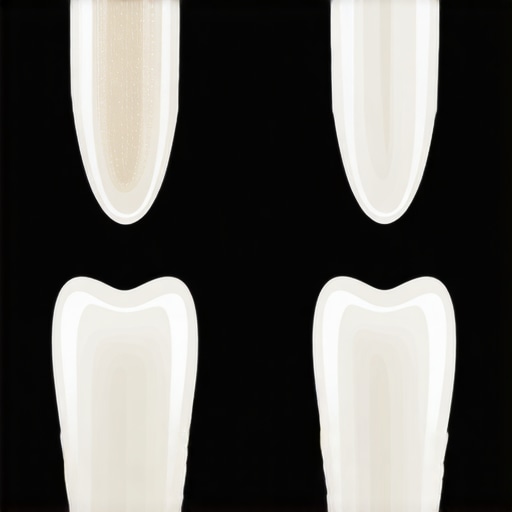
The trap of ignoring structural craze lines
One of the most common mistakes I see patients make is rushing into internal bleaching without a thorough structural assessment. If your tooth turned grey due to trauma, there is a high probability you also have [the real cause of those tiny vertical lines in your teeth](https://straightsmileortho.com/the-real-cause-of-those-tiny-vertical-lines-in-your-teeth), often called craze lines. While these are usually cosmetic, a traumatized tooth with deep craze lines might not handle the pressure of internal whitening agents as well as a sound tooth. Rushing the process without checking the integrity of the enamel can lead to localized sensitivity or, in rare cases, a worsening of the fracture. You also have to consider [the reason your veneers look different in sunlight versus indoors](https://straightsmileortho.com/the-reason-your-veneers-look-different-in-sunlight-versus-indoors); the way light interacts with those internal fractures can change the entire look of your smile once the grey is gone.
Why does my dental implant crown look shorter than other teeth?
If the trauma was severe enough that you had to opt for a full replacement, you might notice a common nuance: the new crown doesn’t quite match the gum line of its neighbors. This usually isn’t a mistake by the lab; it’s often a result of how the bone and tissue healed after the original tooth was removed. Understanding [why your dental implant crown looks shorter than other teeth](https://straightsmileortho.com/why-your-dental-implant-crown-looks-shorter-than-other-teeth) is essential for managing your expectations. A skilled cosmetic dentist will often use pink porcelain or gum grafting to mask this discrepancy, ensuring the symmetry of your smile remains intact. If you are just starting this journey, looking into [how dental implants reshape your oral health in 2025](https://straightsmileortho.com/how-dental-implants-reshape-your-oral-health-in-2025) will show you that bone preservation is the most critical factor in avoiding this aesthetic hurdle.
Modern implants are more than just a titanium screw
The ultimate goal is long-term stability. Expertise in this field means moving beyond the surgery itself and focusing on the biological environment of the mouth. For example, many patients are surprised to learn that lifestyle habits play a massive role in whether that grey-tooth replacement actually lasts. Specifically, [the impact of smoking on your dental implant success rate](https://straightsmileortho.com/the-impact-of-smoking-on-your-dental-implant-success-rate) is a nuance that cannot be ignored; nicotine constricts blood flow, which is the very thing your bone needs to fuse with the implant. Whether you choose a complex internal bleaching cycle or a high-tech implant, the secret isn’t in the material itself, but in how well you protect the foundation. A grey tooth is a wake-up call for your oral health—treat it as an opportunity to build a stronger, more informed dental routine.After my repair was finished, I realized the hard part wasn’t the surgery—it was the daily upkeep. I ditched my manual brush for a sonic model with a built-in pressure sensor because I used to scrub way too hard, which is a death sentence for gum tissue. If you have any kind of metal post in your jaw, you absolutely must know how to safely clean a dental implant without scratching the post. Metal-on-metal contact from traditional scrapers is a disaster for hygiene; even microscopic scratches can harbor colonies of bacteria that lead to peri-implantitis. I also started using a water flosser specifically with a plaque-seeker tip. It reaches the sulcus around an implant crown where traditional floss often fails. 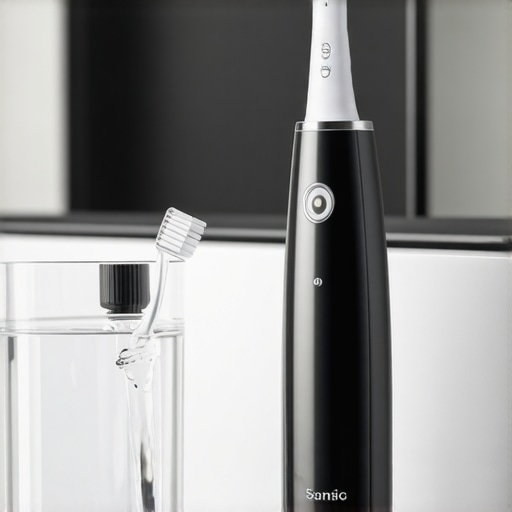
Why your old brushing habits won’t work anymore
Once you have invested in professional cosmetic work, your dental hygiene routine has to level up. You can no longer just ‘wing it’ with a generic, abrasive paste. I switched to a non-abrasive gel because many commercial whitening toothpastes are actually quite gritty and can dull the finish of porcelain over time. If you want to transform your smile with veneers expert tips for perfect results, you have to treat those shells like high-end glass. Use a soft-bristled head and avoid anything with high RDA (Relative Dentin Abrasivity) values. According to a technical report in the *Journal of Oral Implantology*, maintaining the integrity of the restoration surface is the single most important factor in preventing long-term bacterial adhesion.
How do I keep my dental work from failing over time?
The secret to longevity isn’t just cleaning; it is proactive monitoring. I make it a point to check my own gum margins weekly for any subtle shifts. Learning how to tell if your gums are healthy based on their color is a vital skill. If you notice a dark red ring or persistent bleeding, it is an immediate sign that the restoration might be trapping debris. For those managing a household, following family dentistry tips for a lifetime of healthy smiles ensures that these high-level maintenance habits are passed down to your children early on.
Bio-active coatings and the 2025 smile
Looking ahead, the technology is moving toward the future of dental implants cutting edge techniques in cosmetic dentistry that include bio-active surfaces. These surfaces don’t just sit in the bone; they actively encourage osseointegration more aggressively than traditional titanium. I suspect that as we see how dental implants reshape your oral health in 2025, we will see ‘smart’ crowns that can detect changes in pH levels and alert your dentist to potential issues before they become painful. My advice for right now? Invest in a high-quality water flosser with a specialized tip—it is the single best way to protect your investment today.
What I Learned While Chasing the Perfect Match
Restoring a single grey tooth taught me that dental work is as much about art as it is about science. One tooth is significantly harder to fix than an entire row. When you opt for a full veneers transformation unlocking your best smile yet, the lab creates a uniform look. But matching one porcelain crown or veneer to three natural teeth requires a dentist with an incredible eye for detail. I also realized that time is of the essence; the longer you wait, the more the internal pigments can permanently stain the surrounding dentin. Finally, never underestimate the power of a second opinion—if a dentist tells you extraction is the only option, make sure they have fully explored internal bleaching first before you commit.
#IMAGE_PLACEHOLDER_E#
The Only Three Tools You Actually Need
After my procedure, I realized my old plastic toothbrush wasn’t going to cut it. To keep your results looking professional, focus on these three essentials: 1. A high-quality water flosser. It is the safest way to clear debris from how dental implants reshape your oral health in 2025 without risking mechanical scratches to the post. 2. A non-abrasive gel toothpaste. Avoid the danger of using baking soda to whiten your teeth at home, as it can strip the glaze off your new veneer and leave it looking dull. 3. A custom night guard. If your grey tooth was caused by trauma, you likely have a heavy bite or a habit of clenching. Protecting your investment from nighttime grinding is non-negotiable for long-term success.
Step Back Into the Light with a Healthy Smile
Dealing with a discolored tooth can be a heavy burden on your self-esteem, but it doesn’t have to be a permanent fixture in your life. Whether you choose internal bleaching, a protective crown, or delve into cosmetic dentistry secrets to boost your confidence, the technology exists today to give you back a natural, vibrant look. Don’t let a past injury or a dead tooth dictate how you feel in social situations. Take that first step, get the diagnostic X-ray, and start the process of bringing your smile back to life with modern family dentistry. Have you ever struggled with a single tooth that didn’t match the rest of your smile? Let me know in the comments below!