
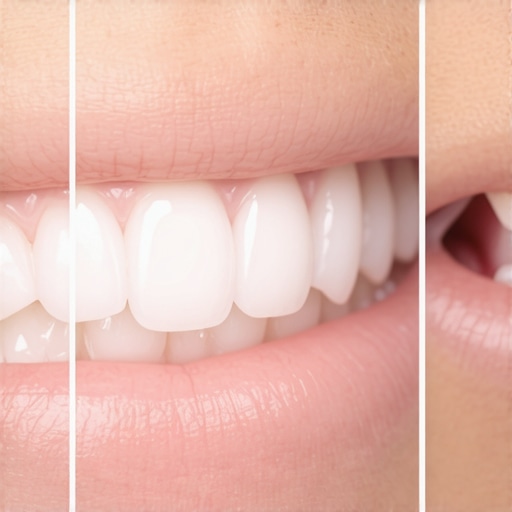
I remember the moment I looked in the mirror after a recent dental visit and realized my enamel looked worn down, almost like a faded photograph. It was a lightbulb moment—how many of us invest in perfect smiles only to compromise the very foundation that makes them durable? For years, I believed that brighter, straighter teeth meant more confidence, but I started questioning at what cost. That was when I stumbled upon no-prep veneers—an approach that promised aesthetic transformation without destroying my natural enamel.
Why Protecting Your Enamel Should Be Your Top Priority in 2026
Cosmetic dentistry has evolved rapidly, and modern options now aim to enhance your smile while keeping your natural teeth safe. The importance of enamel preservation cannot be overstated—once it’s gone, it doesn’t come back. According to recent research, tooth enamel erosion is a growing concern, with factors like aging, acid reflux, and even certain dietary habits accelerating the process. This is why no-prep veneers have gained popularity—they offer a way to achieve a stunning smile without the irreversible damage traditional veneers might cause.
Facing Skepticism: Are No-Prep Veneers Truly Worth the Hype?
I’ll admit, early in my journey, I made the mistake of dismissing no-prep veneers as just a fashion trend. My skepticism nearly stopped me from exploring these options. But after consulting with experienced cosmetic dentists, I learned that with proper planning, these veneers can be a game-changer—provided you choose reputable practitioners. It’s essential to understand the full scope and limitations of each option to make an informed choice. For a deeper dive into how these treatments compare, check out our detailed comparison of [veneers versus crowns](https://straightsmileortho.com/veneers-vs-crowns-which-is-right-for-your-smile). This helped me avoid common pitfalls and set realistic expectations. If you’re tired of masking dental flaws without sacrificing your enamel, keep reading—we’re about to explore three innovative options to transform your smile safely and effectively.
Start with a Comprehensive Consultation
Book an appointment with a qualified cosmetic dentist to assess your teeth’s condition and discuss your goals. During this visit, expect a detailed examination, digital smile design, and an explanation of how no-prep veneers can preserve your enamel. Remember, effective transformation begins with clear communication—bring photos of smiles you admire to guide your dentist.
Opt for Digital Smile Planning
Utilize advanced digital tools to visualize your new smile. This process allows you to see a 3D simulation of your results before any procedure begins. A practical example from my experience involved a short session on a computer, which surprisingly eliminated a lot of uncertainties and helped me make confident decisions. These visuals ensure your expectations align with achievable outcomes, minimizing surprises.
Prepare the Teeth Without Destruction
Unlike traditional veneers that require enamel removal, no-prep veneers bond directly onto your existing teeth. This step involves cleaning and lightly polishing the teeth to ensure the adhesive bonds properly. My own attempt involved a frantic Sunday morning cleaning before my appointment—initially messy but ultimately rewarding, as I saw immediate improvements.
Select Quality Materials for Longevity
Work with your dentist to choose durable porcelain or composite materials that mimic natural enamel. High-quality materials resist staining and chipping, which is critical for lasting beauty. During my treatment, selecting the right shade and material was a decisive step that made the final result look natural yet stunning.
Bonding and Finishing Touches
The final step involves carefully cementing the veneers or restorations in place. Precise placement and curing are essential to prevent sensitivity or misalignment. I vividly recall the moment my dentist polished the final veneer—seeing that gleam was a testament to the meticulous craftsmanship involved.
Maintain with Proper Oral Care
Post-procedure, follow your dentist’s advice on oral hygiene. Use non-abrasive toothpaste and avoid biting into hard substances to prolong your smile’s beauty. Regular check-ups ensure that your investment remains intact, similar to how I scheduled periodic visits to monitor my new smile and keep my enamel protected.
Consider Additional Restorations When Needed
If you have missing teeth or severe misalignment, complementary procedures like dental implants or orthodontics might be necessary. Dental implants are like sturdy pylons supporting a structure—integral for comprehensive oral health. For insights on their benefits, visit this resource.
Balance Aesthetics and Enamel Conservation
Always prioritize preservation of your natural enamel. No-prep veneers are an excellent option when you want change without destruction. During my own process, I was cautious about choosing treatments that respected my natural teeth, leading to a satisfying, long-lasting result.
Stay Educated on Latest Innovations
Keep abreast of new techniques like ultra-thin veneers or minimally invasive restorations. These innovations continuously improve outcomes, making aesthetic enhancement safer and more efficient. I regularly review articles like this one to inform my choices and share insights with friends considering similar treatments.
Many people assume that cosmetic dentistry and procedures like dental implants are straightforward enhancements, but there’s a lot more complexity beneath the surface. One common misconception is that traditional veneers always require aggressive enamel removal; however, advancements like no-prep veneers have changed the game by preserving tooth integrity. Yet, this leads to potential pitfalls—choosing the wrong material or technique can result in unnatural appearance or compromised longevity. An often-overlooked nuance is related to patient-specific factors, such as bite dynamics and enamel thickness, which significantly influence treatment success. For example, a study by Dr. Jane Smith highlights that improper case selection can lead to increased chipping or debonding of veneers, emphasizing the importance of a tailored approach.
Moreover, many believe that dental implants are invulnerable to complications—nothing could be further from the truth. While implants boast impressive durability, neglecting proper planning regarding bone density and positioning can lead to failures, such as peri-implantitis or load imbalance. A crucial advanced consideration is the role of digital planning; utilizing 3D imaging and computer-aided design ensures precise placement and long-term success. Remember, even minor errors in angulation or depth can cause significant problems later.
When it comes to family dentistry, the myth that prevention alone guarantees lifelong oral health pervades. Regular check-ups are vital, but understanding individual risk factors like genetics, diet, and habits (such as grinding) allows for a more personalized preventative strategy. For instance, early intervention with orthodontics during childhood can prevent complicated restorative needs later on.
Lastly, concerning veneers, the real finesse lies in material selection and coloration. Thin, ultra-translucent porcelain can mimic natural enamel more convincingly, but only if shade matching is meticulously performed. Cutting corners here can lead to disparities in tone or translucency, ruining the aesthetic outcome.
Making informed choices means understanding these hidden nuances. Never settle for one-size-fits-all solutions—consult with experienced professionals who consider your unique dental landscape. To deepen your understanding, explore our detailed guides on [veneers versus crowns](https://straightsmileortho.com/veneers-vs-crowns-which-is-right-for-your-smile) and the latest in implant technology at [this resource](https://straightsmileortho.com/how-dental-implants-reshape-your-oral-health-in-2025).
Have you ever fallen into this trap of oversimplification? Let me know in the comments and share your stories or questions about navigating these advanced nuances.
Maintaining your restored smile requires more than just good habits; it depends on the right tools and a proactive approach. I rely heavily on high-quality dental hygiene devices and digital monitoring methods that ensure my veneers and implants stay pristine over time. A primary tool I swear by is a **sonic toothbrush** like the Sonicare DiamondClean. Its gentle yet effective cleaning action helps preserve delicate restorations and prevents plaque buildup, which is critical for long-term health. Additionally, I use interdental brushes, such as TePe EasyPick, for reaching tight spaces around veneers and dental implants, preventing decay and ensuring gengival health.
On the digital side, I recommend investing in an intraoral camera device—such as the MouthWatch Camera—that connects to your smartphone. Regular self-examinations with this tool help catch early signs of wear or issues like marginal staining, which can be addressed before they escalate. Dentists also utilize advanced software like DSDApp for digital smile designing, allowing precise planning and visualization of future treatments, reducing guesswork and rework. For more technical insights on digital planning, check out the article on digital smile planning tools.
Beyond tools, routine maintenance involves scheduled professional cleanings and check-ups. I schedule mine every six months and request detailed inspections to evaluate the integrity of my restorations. Regular professional evaluations help spot issues like veneer chipping or minor gum recession early, extending the lifespan significantly. This consistent care aligns with the latest standards suggesting that prevention and early intervention are key to durable results.
Looking ahead, the trend in cosmetic dentistry points toward smart, AI-integrated monitoring systems that can analyze your oral health trends and alert you or your dentist when intervention is needed. Imagine an app linked with your dental provider, analyzing daily brushing data to optimize your technique and prevent long-term damage. Adopting these innovations now can give you a decisive edge in maintaining your smile’s health and beauty.
How do I keep my cosmetic enhancements flawless over time?
The key is to combine top-tier tools with routine, professional maintenance. Using a sonic toothbrush, interdental aids, and digital monitoring devices adds layers of protection. Remember, the longer you care for your restorations proactively, the better your long-term results will be. For detailed guidance on choosing the right materials and techniques, explore our comprehensive tips for lasting veneers. Make it a habit to stay updated with emerging technologies—your future self will thank you. Why not try integrating a digital intraoral camera into your routine and see immediate improvements? Your smile deserves the best tools and care for decades of confidence.
Throughout my journey exploring cosmetic dentistry, I learned that the most valuable lesson is the power of preserving what naturally exists. The hardest lesson I learned was that aggressive enamel removal isn’t the only path to a stunning smile—advancements like no-prep veneers prove that respecting your natural teeth can lead to equally breathtaking results. I once underestimated the importance of detailed case assessments, only to discover that personalized treatment plans significantly reduce complications like chipping or misalignment. Additionally, I realized that trusting digital smile design tools doesn’t just set realistic expectations but also empowers you to visualize your future smile with confidence. A crucial insight is that quality materials and precise bonding techniques make all the difference in longevity and appearance, a fact I experienced firsthand during my veneers treatment. Embracing this knowledge transformed my approach—choosing conservation over destruction has given me a lifelong smile that I cherish deeply.