
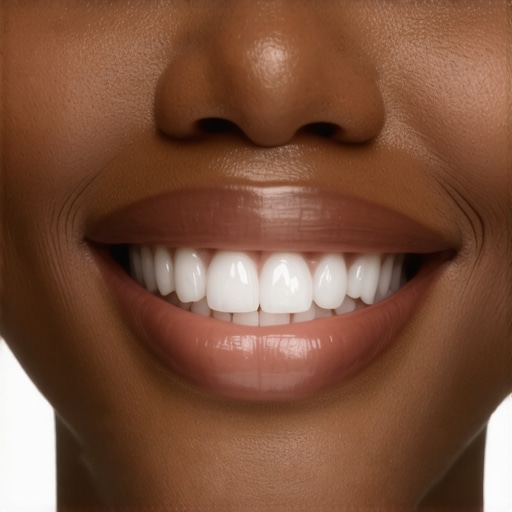
I remember the exact moment I looked in the mirror and realized my smile wasn’t what it used to be. A chipped tooth, gaps from missing ones, and a faint shadow of embarrassment. That feeling of self-consciousness can creep in unexpectedly, affecting your confidence in ways you didn’t anticipate. I felt stuck—not knowing if there was a way to restore my smile that looked natural and would last. That lightbulb moment set me on a journey to discover the best options available, especially with advancements in dental implant technology. Today, I want to share what I learned because I believe everyone deserves to smile confidently—without feeling self-conscious or wary of unnatural results.
Your Path to a Natural, Confidence-Boosting Smile
Let’s face it: we all want a smile that feels authentic, feels like *us*—not a fake veneer or an obvious fix. Fortunately, dental implants have become a game-changer. They offer a truly natural look and function, like your own teeth. But with so many options out there, navigating the options can be overwhelming. Early on, I made the mistake of rushing into a quick fix without thorough research, which led to less-than-satisfactory results. That experience taught me the importance of understanding the technology, my options, and the importance of a skilled dental provider. In this post, I’ll guide you through the latest in dental implants for 2024, how they can renew your confidence, and what questions to ask your dentist along the way.
Is Dental Implants the Best Choice for Your Smile?
Many are skeptical, wondering if implants are really worth the hype. I understand the doubt—trust me, I’ve been there. What convinced me was realizing that the success of dental implants largely depends on choosing the right technology and a qualified professional. Early in my research, I nearly overlooked the importance of proper placement and materials, which can impact durability and appearance. A wise tip I learned was to seek out clinics with proven experience, like those offering guidance on how dental implants reshape oral health in 2025. Remember, a fake-looking smile isn’t your goal—you want something that melds seamlessly with your natural teeth, giving you peace of mind and renewed confidence.
Assessing Your Oral Health Before Starting
Begin with a comprehensive dental check-up, similar to troubleshooting a complex machine; you need to understand the current condition before repairs. During my first consultation, I described my concerns about my teeth’s appearance and felt overwhelmed by the options. The dentist examined my jawbone health, gum condition, and bite alignment, which are critical factors influencing your choice of restoration. This stage sets the foundation for a successful outcome, ensuring your chosen solution fits your unique anatomy, much like tailoring a bespoke suit. Remember, a solid assessment prevents costly surprises later.
Choosing the Right Restoration Technique
Matching Your Needs with the Appropriate Solution
Different problems demand different solutions. For instance, veneers are like custom-made contact lenses—they enhance appearance but don’t alter the structure underneath. Dental implants, however, are akin to anchoring a new pillar into a building’s foundation—they replace missing roots and provide stability. I learned this when I debated between veneers and crowns; understanding their differences helped me decide that implants suited my long-term needs better. To clarify your options, check out detailed comparisons like veneers vs. crowns so you can make an informed choice.
Ensuring Material Compatibility and Durability
Material selection impacts both appearance and lifespan. Modern porcelain veneers simulate natural enamel’s translucency, much like the real thing, but their longevity depends on your habits. I opted for high-quality zirconia implants, which resemble natural teeth and withstand biting forces. Discuss with your dentist the best materials for your lifestyle; for example, if you grind your teeth, reinforced ceramics may be preferable. This step reduces the risk of early replacements and keeps your smile shining through as long as possible.
Preparing for the Procedure
Preparation involves more than just scheduling. It includes maintaining excellent oral hygiene and following specific pre-op instructions. I started a strict brushing and flossing routine, knowing that clean gums and teeth provide a healthy foundation for healing. Sometimes, dentists recommend preliminary treatments like deep cleaning or orthodontics to correct bite issues, making sure the restorative work aligns perfectly. Think of it as preparing the groundwork before laying a new carpet—quality prep leads to better results.
Navigating the Procedure Process
Understanding what happens step-by-step reduces anxiety. During my implant surgery, I appreciated detailed explanations from my dentist about anesthesia, incision, and placement. The procedure is akin to installing a new post into a concrete foundation—precision matters. Local anesthesia ensures comfort, while careful planning with digital scans guides accurate placement. Expect some swelling and discomfort afterward; knowing this helped me plan for recovery, including soft foods and rest, similar to letting fresh paint dry for a flawless finish.
Post-Procedure Care for Longevity
Aftercare is the secret to lasting beauty. My dentist emphasized good hygiene, regular check-ups, and avoiding habits like biting hard objects or smoking—actions that could chip or damage restorations. Using recommended products, like non-abrasive toothpaste, preserved my implants’ shine. Additionally, I was advised to schedule routine visits, much like servicing a car, to catch issues early. Consistent maintenance transforms a temporary fix into a lifelong confidence booster, ensuring your radiant smile endures through the years.
By following these practical steps—assessment, suitable technique selection, preparation, understanding the procedure, and diligent aftercare—you bridge the gap between inspiration and reality. Remember, achieving a natural, confident smile isn’t just about the technology; it’s about executing each step with precision and care to make your smile truly yours.
Many people enter the world of cosmetic dentistry with misconceptions that can lead to costly mistakes and unsatisfactory results. One common myth is that veneers and dental implants are foolproof solutions that guarantee a perfect smile without considering individual nuances. In reality, there are subtle but crucial factors—often overlooked—that determine long-term success. For example, while veneers can dramatically improve appearance, they may not be suitable for patients with unhealthy enamel or grinding habits. In such cases, opting solely for veneers without addressing underlying issues can lead to premature chipping or discoloration, a trap many fall into despite being warned by experts. Building on this, some think that dental implants are an instant fix for missing teeth, but without understanding the importance of proper bone density and placement angles, implants can fail or look unnatural.
One nuanced aspect is the technique’s impact on overall health; improperly placed implants may cause bite misalignment or stress on adjacent teeth, leading to future complications. It’s essential to recognize that cosmetic procedures aren’t just about aesthetics—they influence oral health and functionality long-term. As noted in a study published by the American Academy of Implant Dentistry, precise planning, including 3D imaging and comprehensive evaluations, significantly improves prognosis (source).
Are veneers and implants as easy as they seem, or are there pitfalls lurking behind the glamour?
Many overlook the importance of material compatibility and the skill level required for placement. Choosing low-quality materials or inexperienced practitioners can result in unnatural looks or even damage to existing teeth. For instance, some practitioners might recommend thicker veneers for quick results, but this approach can alter bite dynamics adversely, causing discomfort over time. A proactive patient should inquire about the technology and materials used, and ensure their clinician’s expertise aligns with their aesthetic goals.
Another underestimated factor is maintenance. Veneers and implants demand meticulous oral hygiene practices; neglecting these can accelerate wear or lead to peri-implantitis. Therefore, understanding the nuances and avoiding the common trap of assuming cosmetic solutions are maintenance-free is key to preserving that confident smile. For more insights, explore these cosmetic dentistry secrets.
Have you ever fallen into this trap? Let me know in the comments or check out our comprehensive guides to ensure your smile investment pays off in the long run.
Maintaining your dental restorations, whether veneers or implants, requires more than just good brushing habits. Over the years, I’ve found that investing in the right tools and adopting specific methods can significantly extend the lifespan of your smile. One essential device I personally rely on is an electric toothbrush with a pressure sensor, such as the Oral-B Genius series. The sensor alerts me whenever I’m applying too much force, which is crucial because excessive pressure can damage veneers and irritate gums, leading to premature wear or peri-implant issues. Additionally, I use interdental brushes like the GUM Soft Picks for thorough cleaning between teeth and around implants, ensuring plaque doesn’t accumulate in hard-to-reach areas—which is vital for long-term success. For tackling hard-to-remove plaque deposits, I incorporate an water flosser like the Waterpik AquaSonic, which uses pulsating water jets to clean beneath restorations and along the gumline without risking damage from traditional flossing. This method is gentle but effective, helping prevent gum disease and peri-implantitis, especially important after extensive restorative work. Software-wise, I utilize dental health tracking apps such as Dentacare to monitor my daily oral hygiene routines and set reminders for dental check-ups, which helps me stay consistent. From a future perspective, I predict that health wearable technology might integrate with oral health apps, providing real-time feedback and even data sharing with dental professionals, making maintenance more proactive. To make sure your restorations stay pristine, regularly schedule professional cleanings—preferably every six months—and discuss with your dentist whether additional tools like desensitizing gels or fluoride varnishes are suitable for your specific needs. If you’re serious about preserving the integrity of your smile, I recommend trying out a combination of these advanced tools and techniques. For detailed guidance tailored to your restoration type, check out trusted resources like the detailed insights provided by this comprehensive guide on veneers. How do I maintain my dental restorations over time? To keep your smile working seamlessly, implement consistent daily routines with high-quality tools, and don’t hesitate to consult your dentist about personalized maintenance strategies. Remember, investing in the right equipment and habits today will pay dividends in long-term confidence and oral health.
What I Wish I Knew Before Starting My Smile Journey
The biggest lesson I learned was the importance of patience and thorough research. Rushing into procedures without understanding the nuances can lead to regret. Taking the time to consult with experienced professionals and exploring all options, like those highlighted in this resource helped me set realistic expectations.
Why Choosing Quality Over Speed Makes All the Difference
I discovered that investing in high-quality materials and skilled practitioners ensures natural appearance and durability. Cutting corners might save money upfront but often results in costly revisions and dissatisfaction later. Remember, your smile is an investment, not just a quick fix.
The Power of Maintenance and Consistency
Maintaining a radiant smile requires everyday dedication—like using the right tools and habits. I started using an electric toothbrush with a pressure sensor, which significantly extended my restorations’ lifespan. Regular professional cleanings and mindful habits are crucial, as emphasized in this guide.
My Personal Lightbulb Moments About Longevity
Understanding that restorations are a partnership between technology, technique, and ongoing care transformed my outlook. It’s not a singular event but a continual process—think of it as tending a garden rather than planting a seed. This mindset helped me enjoy lasting confidence and a smile I love showing off.
Real Resources That Made a Difference
Throughout my journey, trusted tools and information made all the difference. I recommend exploring this in-depth guide on veneers to understand what makes a successful transformation, or consulting with reputable family dentistry clinics like these trusted professionals.
Your Next Step: Embrace the Possibilities
Remember, the journey to a confident, natural smile is uniquely yours, filled with moments of learning and growth. When you approach it with patience, knowledge, and care, you unlock not just a beautiful smile but renewed self-assurance. Your perfect smile awaits—are you ready to take that first step?
Have you ever hesitated before committing to a cosmetic dental procedure? Share your thoughts below, and let’s start a conversation about making informed, confident choices for your smile.
Reading this post really resonated with me, especially the part about choosing the right technology and experienced professionals. I underwent a similar journey a few years back, feeling self-conscious about my smile after losing some teeth. What stood out was how pivotal thorough research and prioritizing quality are in getting natural, lasting results. For anyone considering dental implants or veneers, I’d suggest also paying close attention to post-procedure care; I’ve found that consistent maintenance using the right tools, like an electric toothbrush with a pressure sensor, really extended the life of my restorations. It’s fascinating how modern technology and simple habits can make such a difference.
Has anyone here tried specific cleaning tools or routines that helped them maintain their dental work longer? I’d love to hear what’s worked best for others—especially if you’ve found ways to make your smile last even longer without frequent replacements.