
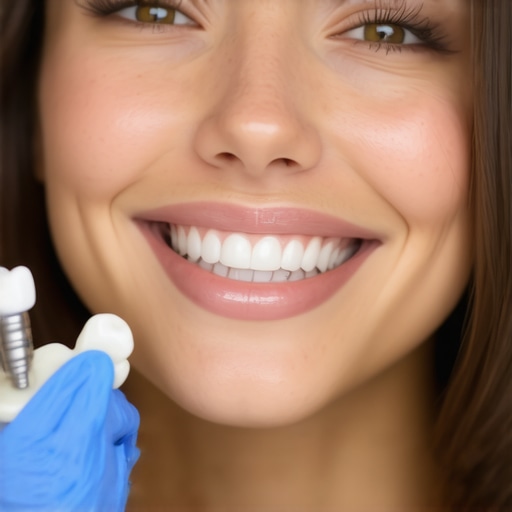
Ever looked in the mirror, and suddenly felt that pang of regret about your smile? I’ve been there. A few years ago, I hesitated for months over a dental implant that I knew I needed but kept putting off. I remember the moment I finally decided to go for it—how it changed not just my teeth, but my entire confidence. That lightbulb moment made me realize how much a healthy, beautiful smile can influence everything from personal relationships to professional success.
Why Your Smile Deserves More Than Just Good Looks
Trust me, I understand the frustration of hiding your smile because of missing teeth or feeling self-conscious about your appearance. But here’s the truth I wish I had known earlier: modern dental solutions, especially dental implants, are game-changers. They do more than look natural—they reshape your oral health for the better and boost your confidence in ways you never thought possible. And the best part? The technology keeps improving, making 2024 an exciting year for anyone considering a smile makeover.
Is the Hype Around Dental Implants Actually Justified?
Early in my journey, I made the mistake of thinking that all dental implants were the same—so I went with the cheapest option I could find. Big mistake. It’s crucial to understand that not all implants deliver the same results. The right choice depends on your unique oral health and long-term goals. For instance, top-tier implants can last a lifetime and feel just like your natural teeth, but only if you choose the proper type and trusted provider. If you’re curious about how implants compare to other cosmetic solutions like veneers or crowns, I recommend checking out this comparison.
So, if you’re tired of feeling embarrassed or limited because of your smile, you’re not alone. Many people face this challenge, and the good news is that you don’t have to settle for less. With the right information and expert guidance, you can restore your confidence and enjoy a natural, radiant smile in 2024. Ready to discover how to make that happen? Let’s dive into the practical steps that will set you on the right path to a healthier, happier smile.
Assess Your Oral Health Clearly
Start by scheduling a comprehensive dental check-up. I once went in unprepared, thinking my issues were minor, only to find out I needed a more complex treatment plan. During your exam, discuss your goals openly—whether it’s replacing missing teeth with dental implants or enhancing your smile with veneers. This initial step sets the foundation for a personalized plan.
Choose the Right Treatment for Your Goals
Compare Dental Implants and Veneers
Think of dental implants like sturdy, natural-looking anchors for your confidence—they replace roots and restore function. Veneers, on the other hand, are like a fresh coat of paint that instantly improves appearance without altering your bite. I once decided on veneers for a quick aesthetic fix, but later wished I’d considered implants for long-term health. Use resources like this comparison to understand which suits your needs best.
Consult with Experts
Find a trusted dentist or specialist. I visited multiple clinics, asking about their experience and technology. Look for providers who use top-tier solutions like top dental implants. Remember, the right professional makes all the difference—think of them as a skilled captain guiding your journey to a better smile.
Prepare for the Procedure
Follow your dentist’s instructions carefully—this might include pre-operative hygiene routines or adjustments to your diet. I learned this the hard way when I ignored fasting guidelines before my implant surgery, which led to unnecessary discomfort. Proper preparation ensures smoother procedures and better outcomes.
Navigate the Healing Process
Healing is critical. For implants, expect a few months of integration; for veneers, a few days of care. During my implant recovery, I experienced some swelling and discomfort, but sticking to my dentist’s advice and avoiding hard foods sped up the process. Patience here pays off—your new smile depends on it.
Refine and Maintain Your Smile
Once healed, schedule follow-up visits to ensure everything’s perfect. Use a soft-bristled brush and non-abrasive toothpaste to protect your investment. I also learned to avoid chewing on hard objects to prolong the life of my veneers. Regular check-ups and good daily habits are your best tools for lasting confidence.
If you’re curious about how these steps integrate into your overall dental health, check out family dentistry tips, or explore more about dental implants to fully understand their benefits. Taking these deliberate steps transforms a simple plan into a confident, radiant smile that lasts a lifetime.
Many people enter the world of cosmetic and family dentistry with high hopes, but surprisingly, there are some widespread misconceptions that can lead to costly mistakes. As an experienced dental professional, I want to shed light on these hidden pitfalls, so you can avoid falling into the same traps. Let’s explore what most people get wrong about veneers, dental implants, and family dentistry, and how to navigate these areas with confidence.
Why Believing All Veneers Are the Same Could Cost You
One common myth is that all veneers offer similar results. In reality, the quality of veneers varies significantly depending on the material, the technician’s skill, and the dentist’s expertise. Many assume that a veneer is just a quick aesthetic fix, but poorly made veneers can chip, stain, or look unnatural over time. High-quality porcelain veneers, for example, require precision layering and proper bonding techniques. Skimping on quality might save money upfront but can lead to costly replacements or adjustments later. For expert insights, check out this guide to veneers.
Dental Implants: More Than Just a Quick Fix
Many believe that dental implants are a straightforward procedure that guarantees lifelong results. While they are indeed durable, the reality is that implant success hinges on meticulous planning, patient health, and proper placement. One major mistake is overlooking the importance of bone quality and jaw structure, which can compromise the implant’s stability. Additionally, some assume that any implant system is equal—when in fact, choosing top-tier implants and experienced surgeons significantly affects outcomes. For advanced results, I recommend reviewing this expert resource.
Family Dentistry Is Not Just About Routine Cleanings
Another misconception is that family dentistry is only about cleanings and fillings. In truth, comprehensive family dental care includes preventive strategies, education, and early detection of issues that could become costly or complex later. Relying solely on reactive treatments rather than proactive maintenance can lead to unnecessary pain and expense. A trusted family dentist should also coordinate with specialists when needed and tailor advice for all ages. For a deeper understanding, explore this family dentistry guide.
What Advanced Questions Should You Ask Your Dentist?
If you’re serious about making informed decisions, consider questions like: How do you determine the best implant system for my jawbone? What materials do you recommend for veneers considering my lifestyle? How does your team ensure long-term success in family dentistry? Asking these questions helps you gauge the expertise and approach of your dental provider. Remember, not all dentists have the same level of experience or access to the latest technology. For trusted professionals, visit this contact page.
Have you ever fallen into this trap? Let me know in the comments. Remember, understanding these nuances is crucial for achieving lasting, beautiful results in your dental journey. With the right knowledge and a trusted team, you can avoid costly mistakes and enjoy a confident smile for years to come.
Maintaining your dental restorations, whether it’s veneers, implants, or family dentistry work, is crucial for long-term success and aesthetic appeal. Over the years, I’ve experimented with various tools and methods to ensure my smile stays healthy, durable, and radiant. In this article, I’ll share the specific tools I recommend and how I incorporate them into my routine to keep my dental work in top shape.
Invest in a High-Quality Electric Toothbrush
For effective plaque removal and gentle cleaning, I personally use the Oral-B Genius X. Its oscillating-rotating technology, combined with smart pressure sensors, helps prevent damage to veneers and implants while ensuring a thorough clean. I’ve found that manual brushes simply don’t provide the consistency needed to protect delicate restorations. Using an electric brush daily, especially one with a timer and multiple modes, significantly prolongs the life of your dental work.
Choose Non-Abrasive Toothpaste and Floss
To avoid scratching or staining your veneers or crowns, I opt for a non-abrasive, fluoride-rich toothpaste. Additionally, I swear by the Oral-B Glide Pro-Health Comfort Plus Floss because it’s gentle yet effective at removing debris between teeth without damaging surfaces. Regular flossing prevents plaque buildup that could compromise your restorations over time.
Use a Water Flosser for Deep Cleaning
For a more thorough cleaning around implants and veneers, I highly recommend a Waterpik Water Flosser. Its pulsating water jets clean hard-to-reach areas and reduce inflammation, which is essential for maintaining healthy gums and supporting structures. I’ve noticed that incorporating a water flosser into my routine helps prevent peri-implantitis and keeps my smile looking its best.
Schedule Routine Professional Check-Ups
Even with excellent daily care, professional cleanings are indispensable. I schedule visits at my dentist’s office every six months. During these appointments, I ask for a polishing with a rubber cup and a professional fluoride treatment. My dentist also inspects my restorations for early signs of wear or damage, catching issues before they become costly repairs. This proactive approach ensures my investments in veneers and implants last as long as possible.
Leverage Technology for Monitoring
In the near future, I believe that digital oral health tracking devices will become mainstream. These tools can monitor your brushing patterns, detect early signs of gum disease, and even alert you to potential problems with your implants or veneers. Staying ahead of issues through technology will be the standard for long-term dental health.
Finally, don’t forget the importance of maintaining a healthy lifestyle—avoid smoking, limit sugary foods, and stay hydrated. These habits complement your toolset and help ensure your restorations perform optimally for years to come. I encourage you to try out a water flosser or upgrade your toothbrush to a model with smart features—these small investments can make a significant difference in the longevity of your smile. For more detailed tips on dental care, check out this comprehensive guide.
The Hardest Lesson I Learned About Veneers, Dental Implants, and Family Dentistry
One of the biggest surprises I encountered was realizing that not all dental solutions are created equal. I initially believed that veneers would be a quick fix, but I discovered that quality varies dramatically, and choosing the wrong type can lead to costly repairs. Similarly, I learned that dental implants require careful planning around jawbone health, a step many overlook. The real eye-opener was understanding that family dentistry isn’t just routine cleanings; it’s about proactive health strategies that save money and pain in the long run.
My Essential Toolkit for Maintaining Your Smile
Over the years, I’ve curated a set of tools that truly make a difference. My top recommendation is a high-quality electric toothbrush like the Oral-B Genius X, which ensures gentle yet effective cleaning. I also rely on non-abrasive, fluoride-rich toothpaste and a Waterpik Water Flosser to reach those tricky areas around implants and veneers. Regular professional check-ups are non-negotiable—they catch small issues before they become costly repairs. Finally, I’m excited about digital oral health tracking devices that will soon help monitor my oral health daily, adding an extra layer of protection for my investments.
Your Turn to Shine
Remember, your smile is one of your most powerful assets. With the right knowledge and tools, you can make informed decisions that last a lifetime. I encourage you to start exploring your options today, whether that’s scheduling a comprehensive check-up or investing in the right dental tools. Your future self will thank you for taking action now. What’s one step you’re planning to take to improve your dental health? Share your thoughts below—I’d love to hear your story!
Reading this guide really resonated with me, especially the emphasis on choosing quality dental implants. I had a similar experience where I initially went for a cheaper option and ended up needing premature replacements. It made me realize that investing in top-tier implants and skilled professionals is worth it for long-term satisfaction. I also appreciate the practical tips about daily maintenance tools, like using a Waterpik and an electric toothbrush — these have kept my restorations in excellent condition.
One challenge I’ve faced is staying consistent with professional check-ups, especially when things feel ‘fine’ at home. How do others stay motivated to keep up with routine visits and maintain their tools effectively? I’d love to hear your tricks for making dental health a lasting habit. The post has reminded me that proactive care isn’t just about fixing issues but preventing them for a healthier, more confident smile in the future.
This post really hits home for me, especially the part about the importance of choosing the right professional and quality materials. I remember feeling overwhelmed at first with so many options for veneers and implants. It’s easy to underestimate how much the technician’s skill and the quality of materials impact the final result and longevity of dental work. I’ve found that investing in a reputable, experienced dental team has saved me a lot of trouble and money in the long run. One thing I’ve learned is that regular maintenance, like using a water flosser and a soft toothbrush, is crucial to keep everything in top shape.
What’s been challenging for me is staying consistent with routine check-ups, especially when everything feels fine. I’d love to hear how others stay motivated to stick with their dental care routines. Do you have any habits or reminders that help you maintain long-term dental health? I think sharing such tips can really help us all keep that healthy smile and avoid costly surprises later on.