

I remember sitting in my dentist’s office, staring at the mirror after a seemingly small procedure, only to realize that my confidence was more fragile than I thought. The new dental implant I had just received felt like a fragile promise—one that could break at the first sign of trouble. It was a lightbulb moment for me: no matter how advanced the technology, the real challenge is ensuring that your smile remains natural and durable over the years. If you’ve ever felt the same way—worried about your dental implants not lasting or looking fake—you’re not alone. That’s exactly what I want to help you with today.
Why 2024 Is the Year to Reconsider Your Smile Strategy
In recent years, dental implants have revolutionized how we restore confidence and oral health. But here’s a surprising fact: according to the American Academy of Implant Dentistry, the success rate of dental implants hovers around 95%. Still, that leaves a small percentage where things can go wrong—especially if you don’t approach the process with the right knowledge and preparation. The key isn’t just choosing an implant; it’s understanding how to maintain it for the long haul.
Have You Faced This Common Dilemma?
If you’ve ever felt uncertain about whether your dental implant will truly last or look natural, you’re in good company. Early mistakes I made included rushing into treatments without researching the best options or neglecting proper aftercare. These missteps can lead to issues like implant failure, gum recession, or an unnatural appearance. But the good news is, with a little guidance, you can avoid these pitfalls and enjoy a smile that feels and looks authentic.
So, what’s the secret? It’s about choosing the right type of implant, professional care, and consistent maintenance. Want to know how to ensure your investment gives you a beautiful, natural, and long-lasting smile? Stick with me, and I’ll walk you through the essential tips and strategies that worked for me—and can work for you too.
Choose the Right Implant Material and Technique
Start by researching the best materials for durability and appearance. Titanium implants are the gold standard due to their strength and compatibility, but newer zirconia options also offer a natural look and are metal-free. When I got my first implant, I opted for titanium after consulting my dentist, ensuring a solid foundation that mimicked natural tooth roots.
Consult a Specialist
Don’t settle for a general dentist for your implant procedure. Seek a specialist with proven experience in implantology. During my consultation, I asked to see before-and-after photos and reviews. This step helps you gauge their expertise and reduces the risk of complications.
Precise Planning Saves Long-Term Hassles
Effective planning involves digital imaging, like 3D scans, to map out bone structure and avoid surprises. I remember my dentist showing me a virtual model of my jaw, which reassured me about the implant placement. This step ensures a natural alignment with your bite and facial structure.
Match the Opposing Teeth
If your opposing teeth are worn or damaged, your implant will need an appropriate crown or veneer to match. Visit a cosmetic specialist if necessary. I once had a veneer placed on my neighboring tooth to maintain symmetry, which made my smile look seamless.
Meticulous Aftercare and Maintenance
Post-surgery care is crucial. Follow your dentist’s instructions on oral hygiene, and use recommended tools like interdental brushes. I learned this the hard way when I neglected flossing initially, leading to gum recession around my implant. Regular check-ups and professional cleanings prevent issues like peri-implantitis.
Use the Right Oral Hygiene Products
Choose non-abrasive toothpaste and antimicrobial mouthwash. Avoid hard-bristled brushes that can damage the implant site. I switched to a soft toothbrush and noticed less irritation, which extended the lifespan of my implant.
Align and Protect Your New Smile
Consider night guards if you grind your teeth. Proper alignment prevents undue stress on the implant. During a visit, my dentist recommended a custom night guard, which protected my new crown from cracking due to grinding.
Address Underlying Dental Issues
If you have gum disease or decay, treat these before implant placement. I had to undergo periodontal therapy before my implant, which strengthened my overall oral health and improved the longevity of the restoration.
Stay Informed and Seek Ongoing Support
Regularly review your dental care routine and stay updated on advancements. Sites like this guide offer insights. My experience taught me that proactive maintenance and education are the keys to a natural and durable smile.
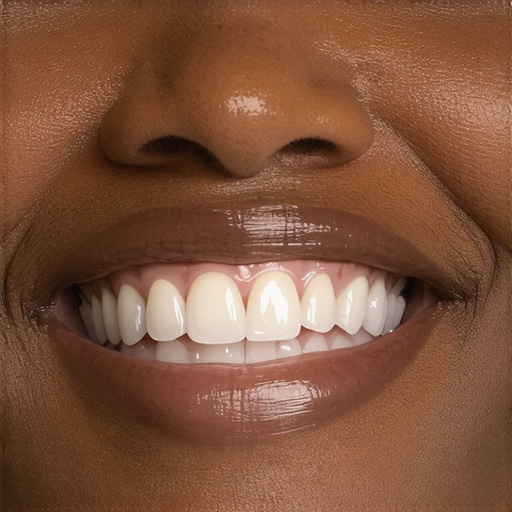
Many people enter the world of cosmetic and family dentistry with misconceptions that can lead to costly mistakes or unmet expectations. Let’s dig deeper into what most get wrong and how understanding these nuances can make a real difference in your dental journey.
Why Choosing the Cheapest Option Might Cost You More in the Long Run
While it’s tempting to go for the most affordable veneer or dental implant, remember that quality materials and experienced professionals come at a price. Cheap veneers, for example, often use subpar porcelain that chips easily, and low-cost implants may lack proper planning, increasing failure risk. This myth of “saving money” can backfire, leading to repairs or replacements that cost far more than investing upfront with trusted specialists. For a comprehensive comparison, see this guide on veneers versus crowns.
Beware of the Overhyped Quick Fixes
Another misconception is that cosmetic procedures like veneers or whitening can instantly fix years of dental issues. The truth is, these treatments are most effective after thorough planning and addressing underlying problems like decay or gum disease. Skipping these steps can cause veneers to loosen or discolor, and implants to fail prematurely. Remember, a healthy foundation is key to a lasting smile. For more on this, visit cosmetic dentistry secrets.
Advanced Mistake: Overlooking the Importance of Proper Maintenance
Many assume that once a veneer or implant is placed, their work is done. The reality is that ongoing maintenance is crucial. Neglecting regular cleanings or using improper oral hygiene products can lead to complications like peri-implantitis or veneer staining. A common trap is believing that cosmetic dentistry is a one-time fix, but in fact, it requires consistent care. For detailed tips on maintaining your smile, check out family dentistry tips.
What about Family Dentistry Does Most People Overlook?
Many think family dentistry is just about routine cleanings, but its true value lies in building a comprehensive, long-term health plan tailored for every family member. Overlooking this can result in missed early signs of decay or misdiagnosed bite issues. A holistic approach can prevent many problems before they escalate. To learn more about building a resilient dental foundation for the whole family, visit family dentistry strategies.
Have you ever fallen into this trap? Let me know in the comments. The more you understand these nuances, the better your chances of achieving a natural, durable smile that boosts your confidence for years to come.
Maintaining the longevity and natural appearance of veneers, dental implants, and other cosmetic or restorative dental work requires more than just good brushing. It involves using the right tools and techniques to ensure your investment continues to serve you well for years to come. As someone who has navigated this journey firsthand, I’ve found that specialized equipment and consistent routines make all the difference.
Invest in a Quality Electric Toothbrush
My go-to tool for daily oral hygiene has become a high-quality electric toothbrush with a soft bristle head. Unlike manual brushes, electric models provide consistent, gentle cleaning and are especially effective at removing plaque around veneers and implants without damaging delicate surfaces. I personally use the Oral-B iO Series because it offers real-time feedback and multiple cleaning modes tailored for sensitive areas, which I’ve found crucial for longevity. Regular use of an electric toothbrush reduces the risk of gum recession or peri-implantitis, helping your restorations stay secure and natural-looking.
Utilize Specialized Flossing Devices
Traditional floss isn’t always enough, especially when dealing with tight spaces or around crowns and veneers. I recommend using interdental brushes like the TePe Interdental Brushes or water flossers such as the Waterpik Aquarius. These tools effectively clean between teeth and around implants without applying excessive force. Personally, I prefer the Waterpik because it reaches areas my manual floss can’t, reducing the chance of plaque buildup and staining that can compromise your cosmetic results.
Apply Protective Sealants and Polishes
To further protect your restorations, consider periodic professional polishing and the application of sealants. My dentist recommends a fluoride-based sealant that helps prevent decay and stains, especially if you’re prone to consuming staining foods or beverages. Regular visits for professional cleaning also allow your dentist to monitor the health of your restorations and spot early signs of issues.
Future Trends: Smarter Tools and Digital Monitoring
The future of dental maintenance is moving towards smarter devices. Imagine toothbrushes that sync with your smartphone, providing real-time feedback and personalized advice. Digital plaque detection systems are already in development, allowing professionals to see areas missed during routine cleaning. Embracing these innovations can help you stay ahead of problems and extend the life of your dental work.
How do I maintain my dental restorations over time?
The key is consistency and using the right tools. Incorporate daily use of an electric toothbrush and interdental devices, schedule regular professional cleanings, and stay informed about new technologies. I encourage you to try a water flosser if you haven’t already—many users report a noticeable improvement in gum health and cleanliness. For comprehensive guidance, don’t forget to visit this resource on veneers versus crowns and explore the latest advancements in dental technology.
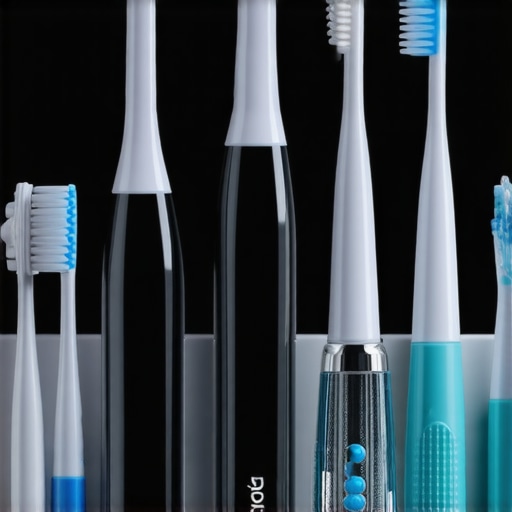
Investing in the right tools for maintenance is essential not just for your smile’s appearance but also for your overall oral health. Remember, a beautiful smile is a long-term project—equip yourself with the best, stay diligent, and consult your dentist regularly to enjoy lasting confidence.
The Hidden Lessons from My Dental Journey That Changed Everything
One of the biggest realizations I had was that even the most advanced dental treatments need consistent care and knowledge to stand the test of time. I once believed that a great veneer or implant was enough—until I learned that daily habits and ongoing maintenance are what truly determine longevity. My lightbulb moment was understanding that a healthy foundation, both physically and knowledge-wise, is essential for a smile that doesn’t just look good but feels natural and lasts for years.
Another lesson I wish I knew earlier is that not all materials are created equal. Titanium implants offered durability, but I discovered that zirconia options might be better for those seeking a more natural appearance without metal. Choosing the right material and technique isn’t just about aesthetics—it’s about matching your lifestyle and long-term goals. Consulting specialists who understand these nuances can save you from costly mistakes and disappointment later on.
Lastly, I realized that the real secret to maintaining confidence with veneers and dental implants is proactive education. Staying informed about new tools, technologies, and best practices allowed me to extend the life of my restorations. Regular professional cleanings, smart hygiene tools like water flossers, and personalized advice from my dentist became my secret weapons for a radiant, natural smile that I can confidently enjoy every day.
My Essential Toolkit for Lasting Confidence
Over the years, I’ve curated a set of trusted tools that keep my smile in top shape. A high-quality electric toothbrush, like the Oral-B iO Series, ensures gentle yet thorough cleaning around veneers and implants. Interdental brushes such as TePe Interdental Brushes help me reach tight spaces, preventing plaque buildup. I also rely on professional sealants and periodic polishing to protect against staining and decay, which keeps my restorations looking flawless.
Looking ahead, I’m excited about smart dental devices that sync with my smartphone, providing real-time feedback and personalized tips. Embracing these innovations makes me feel empowered and prepared to face any challenge to my smile’s health and beauty.
Your Next Step Toward a Confident Smile
If you’re ready to take control of your dental health and enjoy a natural, long-lasting smile, start by consulting trusted professionals and investing in the right tools. Remember, a confident smile isn’t just about what’s visible; it’s about the ongoing effort and care you give it. Your journey to lasting confidence begins today—are you ready to take that first step? Let me know below how you plan to maintain your smile’s natural beauty and durability.
Reading your post really resonated with me because I recently went through a similar journey with my dental implants. I used to worry about their durability, especially after hearing so many stories about failures or unnatural looks. What really made a difference was investing in the right aftercare routine and choosing high-quality materials. I found that consistent use of a soft-bristled electric toothbrush and water flossers improved my gum health significantly. I also learned that ongoing education and staying updated on technological advances in dental care helped me extend the life of my restorations. Your mention of digital monitoring tools is intriguing—I’ve been considering a smart toothbrush that syncs with my phone for real-time feedback. How have other readers found these new devices? I’d love to hear about your experiences or recommendations for the best tools to keep a natural, healthy smile long-term.
Your heartfelt insights really hit home for me. I went through a similar journey with my dental implants last year, worrying about their natural look and longevity. What truly helped was prioritizing ongoing maintenance routines and investing in high-quality tools. For instance, I started using an electric toothbrush with gentle modes, and it made a noticeable difference in keeping my gums healthy around the implants. I also added a water flosser to my daily routine, which reached areas that traditional floss couldn’t. Upgrading my oral hygiene with these tools really extended the life of my implant and kept it looking seamless with my natural teeth. Regarding smart devices, I actually tried a Bluetooth-enabled toothbrush that offers real-time feedback via app, and I found it quite useful—especially for keeping consistent cleaning techniques. I wonder, do others find these digital tools motivating enough to stick with their routine? Would love to hear everyone else’s experiences with tech-based oral care and any other tips to enhance long-term durability and natural appearance.