I remember the exact moment I realized my bleeding gums were more than just a sign of poor brushing habits. It was after a routine dental check-up, where my dentist casually mentioned that bleeding gums could sometimes be linked to internal health issues — specifically, my gut health. That lightbulb moment made me realize I’d been overlooking something critical: my stomach wasn’t just responsible for digestion but also played a silent role in my oral health.
How Gut Health and Bleeding Gums Are More Connected Than You Think
For years, I thought bleeding gums were just a sign to tighten up on flossing or see the dentist more often. Turns out, the story is far more complex. Recent research shows that gut inflammation and poor digestion can compromise your immune system, making your gums more vulnerable to infection and bleeding. The bacteria imbalance inside your stomach can travel through your bloodstream, impacting your oral tissues and exacerbating gum issues. This is the kind of connection I wish I’d known earlier — because it highlights the importance of a holistic approach to health.
Are We Overlooking This Critical Link?
Honestly, I made the mistake early on of focusing solely on topical treatments for my gums. Counting on mouthwashes and special brushes seemed enough. But the persistent bleeding didn’t improve — and I was missing the bigger picture. It wasn’t just about how I was brushing; it was about addressing my gut’s health, which was out of balance due to stress, diet, and antibiotics I’d taken years ago. Understanding this has transformed my approach, and I want to share that knowledge so you don’t have to go through the same trial-and-error cycle.
Supporting this, a study published in the Journal of Clinical Periodontology confirms that gut health influences periodontal disease progression, linking systemic inflammation and oral health in a profound way source.
So, what’s next? Today, I’ll guide you through practical steps to restore your gut health and, in turn, improve your gum health — because these issues are more interconnected than we might realize.
Start with Your Dietary Choices
My first move was to overhaul my diet, replacing processed foods with anti-inflammatory options like leafy greens, omega-3-rich fish, and fermented foods such as yogurt and sauerkraut. I remember spending a weekend experimenting in the kitchen, blending kale smoothies and making homemade kimchi. This messy but rewarding trial led to a noticeable reduction in gum bleeding within weeks, as my gut inflammation decreased. To keep track, I began journaling my diet and oral symptoms, which helped me identify foods that aggravated my condition.
Remove Gut Disruptors
I cut back on antibiotics and refined sugar, understanding that these could disturb my gut bacteria balance. I consulted my doctor about probiotic supplements, choosing strains with proven benefits for gut integrity. Incorporating these into my daily routine was simple — just a capsule after breakfast. Over time, I observed my digestion become smoother, and my gums stopped bleeding as frequently.
Embrace Targeted Supplements
In addition to probiotics, I added vitamin C and zinc to my regimen, knowing they support gum tissue repair and immune health. I took these with meals to maximize absorption, sticking to a schedule that made it easy to remember. During one particularly stressful week, I doubled my vitamin C intake and noticed my gums felt less sore and appeared healthier. Remember, supplements work best when combined with dietary and lifestyle changes.
Address Gut-Related Stress
Stress influences gut health through hormone imbalances. I adopted mindfulness practices like meditation and short daily walks, which helped me manage stress. A quick trick I used was to set reminders on my phone to take deep breaths or do a five-minute meditation. This simple adjustment improved my digestion and decreased systemic inflammation, reflected in healthier gums.
Optimize Oral Hygiene Practices
While working on my gut, I also refined my oral care routine. I switched to a soft-bristled toothbrush and practiced gentle, circular motions to avoid aggravating bleeding. Flossing daily with a new technique—gently sliding the floss under the gumline rather than snapping it—made a difference. I also incorporated an antibacterial mouthwash recommended by my dentist, which supported the healing process. These changes complemented my internal health efforts, creating a synergy that improved my oral condition.
Regular Dental Checkups and Professional Care
Consistent dental visits became part of my routine. During these appointments, my dentist cleaned my teeth thoroughly and monitored my progress. They emphasized that addressing systemic issues like gut health can significantly impact gum health, and I took this advice seriously. If you notice persistent bleeding, consider consulting a professional to tailor your treatment.
The Power of Holistic Approach
Combining these actionable steps—that is, nourishing your gut, addressing stress, and maintaining diligent oral hygiene—creates a powerful feedback loop that promotes gum healing. I remember the satisfaction of pulling together these efforts after years of frustration. It was messy, sometimes frustrating, but ultimately effective. By taking control of your internal health, you’re giving your gums the best chance to recover and stay healthy.
Many believe that family dentistry, dental implants, veneers, and cosmetic treatments are straightforward solutions to dental issues, but the truth is far more nuanced. A prevalent misconception is that these procedures are one-size-fits-all or that they guarantee perfection. In reality, nuances such as individual bone density, gum health, and aesthetic goals play crucial roles in treatment outcomes. For example, many patients assume veneers can fix all cosmetic concerns; however, poorly matched veneers or improper placement can result in unnatural appearances or discomfort. It’s essential to recognize that the longevity and appearance of veneers depend on proper planning and execution, as highlighted in expert discussions on veneers versus crowns.
An often-overlooked aspect is the role of underlying oral health in cosmetic procedures. Ignoring decay or gum disease before placing veneers or implants can jeopardize the results and lead to complications. This is a common mistake where patients focus solely on the aesthetic outcome without fully understanding how systemic factors influence the success of these treatments.
Furthermore, a common myth is that dental implants are indestructible. While they are durable, neglecting proper hygiene or ignoring early signs of peri-implantitis can cause implant failure. Regular maintenance and professional checkups are vital, a point underscored in studies like those summarized in innovations in dental implants.
Advanced mistakes also include undervaluing the importance of selecting experienced specialists. Cosmetic and restorative procedures require precision; an inexperienced clinician may overlook nuances such as bite alignment or tissue compatibility, leading to subpar results. This emphasizes the importance of thorough research before proceeding with any treatment.
And what about broader treatment planning? Many overlook the significance of a comprehensive approach that integrates family dentistry with cosmetic goals. For instance, addressing whitening without ensuring periodontal health can render aesthetic efforts short-lived. An integrated treatment plan maximizes outcomes and minimizes risks, a concept proven to improve long-term dental health in studies like cosmetic dentistry tips.
In conclusion, understanding these nuances and avoiding common pitfalls is essential for achieving lasting, natural smiles. If you’re considering cosmetic or restorative work, ensure your dentist evaluates systemic health, discusses all options thoroughly, and adheres to high standards of practice. Have you ever fallen into this trap? Let me know in the comments.
How do I keep my cosmetic work looking flawless over time?
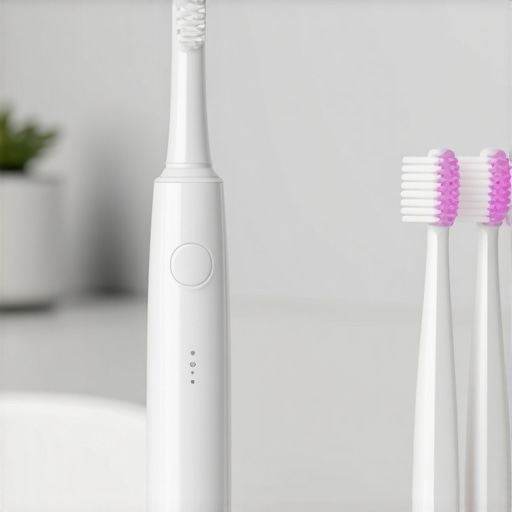
For lasting results in family dentistry, dental implants, and veneers, investing in the right tools and adopting a consistent maintenance routine are crucial. Personally, I rely on a combination of high-quality electric toothbrushes like the Sonicare DiamondClean, which offers superior plaque removal and gentle gum care, and interdental brushes such as the TePe Supreme, perfect for cleaning between restorative work. These tools ensure I maintain optimal oral hygiene without damaging delicate veneers or implant sites. Additionally, I incorporate professional-grade flossers like WaterPik Water Flossers, which help reduce plaque buildup around crowns and bridges, extending their lifespan and preventing complications.
Beyond tools, I use advanced whitening pens for touch-ups between professional bleaching sessions, maintaining a bright smile without frequent trips to the dentist. Consistent use of fluoride mouth rinses like ACT Total Care helps reinforce enamel and prevent decay around restorations. I find that integrating these tools into my daily routine simplifies the maintenance process and preserves the aesthetic and functional benefits of cosmetic dentistry.
Prediction: The Future of Dental Maintenance Tools
Emerging technologies like AI-powered oral health apps and smart toothbrushes equipped with real-time feedback promise to revolutionize at-home dental care. These innovations will likely provide personalized recommendations tailored to individual needs, enhancing long-term results and reducing the need for costly restorative procedures. Staying updated with these advancements can help you adopt proactive strategies to sustain your smile’s health and beauty.
What’s the best way to maintain your dental enhancements over time?
The key is a blend of proper tools, professional guidance, and mindful habits. Regular visits to your dentist, utilizing recommended maintenance devices, and adhering to personalized care routines will extend the life of veneers, implants, and other cosmetic work. Don’t forget—your tools are only as good as your consistency. I encourage you to try incorporating a high-quality interdental brush into your routine today, as it has made a significant difference in my long-term oral health. For tailored advice and to explore the latest in cosmetic dental maintenance, schedule a consultation through our contact page. Remember, maintaining your smile is an ongoing journey—equip yourself with the right tools and knowledge to keep it shining for years to come.
Throughout my journey with family dentistry, dental implants, veneers, and cosmetic dentistry, I’ve learned that the most profound insights often come from unexpected realizations—those lightbulb moments that reshape our understanding of health. One of the most eye-opening lessons was discovering how systemic health intricately ties into our oral wellness, especially the surprising role gut health plays in maintaining a vibrant, healthy smile. This realization underscored the importance of holistic care, reminding me that our mouth isn’t isolated but a mirror reflecting our overall vitality.
Lessons I Didn’t Expect to Learn About Smile Preservation
- The Power of Small Changes Can Be Life-Changing: Adopting simple dietary shifts, like reducing sugar and embracing fermented foods, profoundly impacted my gum health and boosted confidence in my smile’s longevity.
- Gut and Oral Health Are Two Sides of the Same Coin: Understanding that inflammation and bacteria imbalances inside my stomach could influence my gums was a pivotal moment—proof that internal wellness directly affects external appearance.
- Consistency Outweighs Perfection: Regular maintenance, from in-office visits to daily brushing with mindful techniques, proved vital—sometimes more than elaborate procedures—to sustain a radiant smile over decades.
- Knowledge Is a Tool for Empowerment: Educating myself about the nuances of veneers, crowns, and implants helped me make informed decisions, avoiding pitfalls like ill-suited treatments or neglected systemic health issues.
- Embrace a Holistic Approach: Integrating internal health practices with dental routines created a synergy that not only enhanced appearance but also improved overall well-being, reinforcing that true beauty stems from health inside and out.
Tools and Resources That Made a Difference
- High-Quality Electric Toothbrushes: Brands like Sonicare offered gentle yet effective cleaning, essential for maintaining cosmetic restorations and natural teeth alike. Knowing that my tools support my goals motivates continued care.
- Educational Materials and Expert Guidance: Books such as “Transform Your Smile with Veneers” provided deep insights into aesthetic possibilities, while trusted clinics guided me through personalized treatment planning.
- Trusted Online Platforms: Visiting reputable sites like Straightsmile Orthodontics helped me stay updated with innovations in cosmetic dentistry and define realistic expectations for treatments like dental implants and veneers.
- Community Support and Sharing Experiences: Engaging with others on forums and in professional consultations reminded me that each smile has a story—and that shared wisdom accelerates progress.
Your Next Step Toward a Confident Smile Starts Today
Remember, your journey to a healthier, more radiant smile is an ongoing adventure—one that merges internal wellness with external aesthetics. I encourage you to take inspired action: explore holistic health practices, seek expert advice, and invest in tools that support your unique goals. Each small effort compiles into a lasting transformation that boosts not just your confidence but your overall health. Are you ready to make the next move toward your best smile yet? Share your thoughts or questions below to ignite your path forward.