I remember the exact moment I noticed something was off with my dental implant. It was a casual morning, sipping coffee, when I felt a faint wobble when I chewed. Panic crept in. Had I lost part of my smile? Was I doomed to live with an embarrassing, unstable implant? As someone who’s been through various dental procedures, I know how unsettling even the tiniest mobility can feel. That lightbulb moment got me deeply curious: how can you save a dental implant that feels just a little loose? Could it be fixed without another costly surgery? Today, I want to share my experience and what I learned about managing this common but confusing problem.
Why a Slightly Mobile Implant Can’t Be Ignored
Dental implants are designed to be permanent, mimicking natural teeth in both look and function. But when an implant starts shifting even slightly, it’s like a red flag waving in your face. Loose implants can lead to further bone loss, discomfort, and even failure if not addressed promptly. In my case, ignoring the wobble was not an option—I knew I had to act fast. A loose implant isn’t just a cosmetic issue; it can impact your oral health overall. Experts warn that mobility can signal infection, bone loss, or improper osseointegration, which is the process where your bone fuses with the implant. To keep my confidence and avoid more invasive procedures, I set out to find solutions, and frankly, I was surprised by how manageable it can be if caught early.
Have You Faced This Issue Yourself? You’re Not Alone.
If you’ve ever felt that tiny movement in your implant, you’re probably asking yourself,
Assess the Situation Carefully
Start by gently probing the implant with your finger or a sterile instrument to determine how loose it is. Remember, don’t force or try to wiggle it aggressively, as this could cause further damage. During my own experience, I noticed a slight wobble, which prompted me to approach carefully. If you feel the mobility is significant or worsening, it’s crucial to seek professional help promptly.
Maintain Excellent Oral Hygiene
Brush twice daily with a soft-bristled toothbrush and avoid putting pressure directly on the implant area. Use an antimicrobial mouthwash to minimize bacterial buildup around the implant site. When I suspected my implant was loose, I paid special attention to cleaning around it meticulously, reducing the risk of infection that could worsen the instability.
Manage Discomfort and Swelling
If there’s pain or swelling, apply an ice pack wrapped in a cloth to the cheek near the implant. This helps reduce inflammation and numb discomfort. In my case, I used ice for 15-minute intervals, which provided relief while I arranged for professional consultation. Never attempt to self-treat persistent pain with medications without guidance from your dentist.
Temporary Stabilization Techniques
Use Dental Cement as a Short-Term Fix
If the crown or part of the restoration feels loose, a dental-grade adhesive might temporarily hold it in place. Apply a small amount of temporary cement (available at pharmacies) on the restoration’s underside before reseating it gently. During a recent visit, I carefully cleaned the crown and used temporary cement, which bought me some time until I could see my dentist.
Avoid Rigidly Restoring the Implant
Refrain from trying to fix the implant yourself with backyard techniques or unapproved materials, as this can cause irreversible damage. Instead, know that a professional will assess whether your implant can be retightened or requires other intervention.
Consult a Dental Professional Immediately
Ultimately, the key step is to schedule an appointment with your dentist or periodontist. They’ll evaluate the implant’s stability via clinical examination and radiographs. Cutting-edge techniques like advanced imaging can identify underlying issues such as bone loss or failed osseointegration. During my own consultation, my dentist used an intraoral scanner to inspect the implant’s integration, which clarified the next best steps.
Follow Professional Treatment Plans
Depending on the diagnosis, treatment options include tightening the implant, bone grafting, or replacing the fixture entirely. It’s important to follow your dentist’s instructions diligently to prevent long-term complications. For more insights on implant solutions, check out this guide.
Remember, early action can significantly improve the prognosis. A loose implant isn’t the end of the road but a signal to act swiftly and seek professional care to restore your oral health and confidence.
When it comes to cosmetic dentistry, many assume that procedures like veneers or dental implants are straightforward upgrades that require little more than aesthetics. However, this oversimplification can lead to costly mistakes. One widespread misconception is that veneers are a quick fix for crooked or stained teeth, but in truth, they require careful assessment to match the natural tooth structure and avoid an unnatural look. For more insights, check out [this detailed comparison](https://straightsmileortho.com/veneers-vs-crowns-which-is-right-for-your-smile). Additionally, many believe that all dental implants are equally durable, but recent advances highlight the importance of bone quality and prosthetic design in longevity. Stay informed by reading about [innovations reshaping implant success](https://straightsmileortho.com/dental-implants-2025-innovations-that-redefine-comfort-and-durability). An often-overlooked aspect is the nuance in family dentistry, which isn’t just about routine cleanings but proactive management of hereditary factors that influence oral health over generations. This is why selecting a provider who understands the genetic basis of dental issues can make a significant difference. Don’t fall into the trap of thinking that any dentist will do — quality care hinges on expertise.
Many patients are unaware that seemingly minor mistakes can compromise these treatments’ success—like choosing an overly aggressive whitening product that damages enamel, or neglecting proper hygiene around implants leading to peri-implantitis. The ‘oops’ factor here is real; inadequate care can result in longer, more invasive fixes. For example, failing to evaluate the compatibility of veneers with your gum line might cause discomfort or uneven coloration, which could have been avoided with a comprehensive pre-procedure analysis. So, the key is to consult specialists who can tailor a plan to your unique oral anatomy.
Ever wondered why some smile makeovers last decades while others fade within a few years? The answer lies in understanding the active maintenance and the subtle, often ignored factors. For instance, habits like teeth grinding can undermine veneers or implants prematurely, yet many overlook this until damage appears. Regular check-ups with a knowledgeable professional can catch these issues early.
Think this is all just routine? Think again. Advanced diagnostics such as 3D imaging provide insights into bone density and structural integrity, crucial for successful implant placement. As highlighted in dental research, integrating these technologies reduces failure rates and enhances aesthetic outcomes. Make sure your dental team stays updated on such innovations.
If you’re considering cosmetic or family dentistry, remember that the nuances—like material biocompatibility or genetic predispositions—are what separate good results from great ones. Do your homework and ask your provider about their approach to these sophisticated aspects. This isn’t just about a brighter smile but preserving your oral health for years to come.
Have you ever fallen into this trap? Let me know in the comments.
Keep It Working: Tools and Techniques I Trust
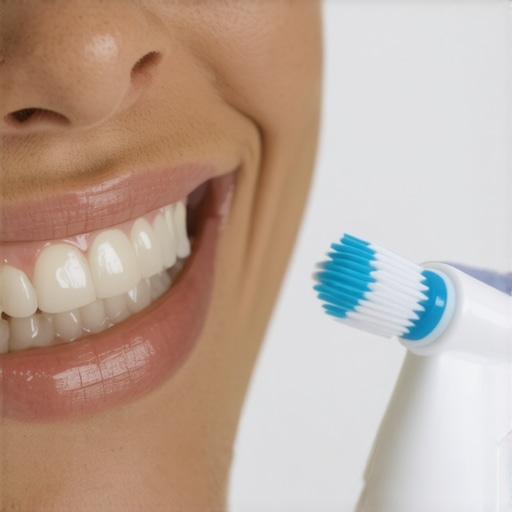
Maintaining your beautiful smile requires more than routine visits to the dentist; it involves employing the right tools that safeguard your investment. One equipment I highly recommend is an ultrasonic oral cleaner. Unlike standard brushes, ultrasonic devices produce high-frequency vibrations that dislodge plaque and debris around veneers and implants, reducing the risk of peri-implantitis or staining. I personally use the SonicGlow Ultrasonic Cleaner, praised for its gentle yet effective cleaning and ease of use. Pair it with a soft, fluoridated toothpaste and a compatible brush to keep your restorations gleaming.
Another game-changer is a high-quality interdental brush, like the GumsRule Interdental Cleaners. These are perfect for reaching tight spaces and cleaning around bridges or between teeth, which regular floss may miss. I prefer them because of their sturdy, flexible bristles that won’t damage delicate restorations or gums, ensuring long-term health.
For longer-term results, integrating a water flosser like WaterJet Precision has transformed my oral hygiene routine. The pulsating water effectively removes bacteria and loosened plaque from hard-to-reach areas, significantly decreasing inflammation risks around dental implants. Its adjustable pressure settings make it suitable even for sensitive gums, providing a comprehensive clean with minimal irritation.
How do I maintain my dental implants and veneers over time?
Regular maintenance hinges on consistent daily hygiene, scheduled professional cleanings, and monitoring the condition of your restorations. Using advanced tools like ultrasonic cleaners and water flossers minimizes plaque buildup and prevents complications. Stay proactive by discussing your maintenance routine with your dentist—many practices now recommend at-home ultrasonic cleaning devices for optimal longevity. As technology advances, expect to see smarter, even more personalized tools emerging, such as AI-driven toothbrushes that track your brushing patterns to optimize effectiveness. To explore how to preserve your high-value dental work, review our professional secrets for confidence. And for specific guidance tailored to your restorations, consult your dentist about incorporating these tools into your routine.
Remember, applying these tools diligently can extend the life of your smile, saving you from costly repairs down the road. Incorporate ultrasonic cleaning and water flossing into your daily habits and see the difference—your future self will thank you for it. As noted by the American Dental Association, embracing advanced maintenance methods is key to long-term success in cosmetic dentistry improvement source. Start today by trying one of these tools and take control of your dental health journey!
What I Wish I Knew Before Ignoring That Wobble
One of the most eye-opening lessons was realizing how quickly a seemingly minor loose implant can escalate into a bigger problem. I learned that regular self-assessment and prompt professional consultation are crucial, as early intervention often means less invasive solutions. Trusting my instincts and not dismissing that wobble saved me from costly repairs and preserved my natural-looking smile.
The Surprising Power of Proper Maintenance and Technological Tools
Investing in advanced cleaning devices like ultrasonic oral cleaners and water flossers made a significant difference in maintaining implant stability. These tools aren’t just gadgets; they’re essential allies in extending the lifespan of your investment and preventing issues like peri-implantitis. Personal experiences showed me that consistent, proactive care is the best defense against early implant failure.
Embracing Education and Personalized Care Changed My Outlook
Learning from experts and diving into credible resources deepened my understanding of the intricacies of cosmetic dentistry. Recognizing that each smile is unique, I now prioritize finding providers who tailor treatments to my specific needs, especially when dealing with complex issues like loose implants. This approach fosters confidence and assures long-term success.
My Essential Toolkit for Smile Longevity
Beyond routine brushing, I rely on trusted tools like ultrasonic cleaners, interdental brushes, and water flossers, which I’ve integrated into my daily routine. These devices help me maintain optimal oral health and catch potential problems early. For those looking to safeguard their smile, investing in quality tools and learning proper techniques can be life-changing, as I discovered firsthand.
Your Smile’s Future Starts Now — Take Action
Don’t wait until a small wobble becomes a major issue. Your proactive steps today—seeking expert advice, maintaining diligent oral hygiene, and using effective tools—are investments in your confidence and health. Remember, a loose dental implant isn’t the end but an opportunity to learn, adapt, and strengthen your smile’s foundation. Ready to take control of your dental health? Share your experiences or questions below — your journey to a resilient smile begins with a single step.