I remember the day I got my dental crowns—excited, hopeful, imagining my perfect smile shining brighter than ever. But it wasn’t long before I started noticing something was off. Instead of a natural-looking gleam, my new crowns looked overly shiny, almost cartoonish, like oversized Chiclets stuck in my mouth. It was a lightbulb moment for me—how could something supposed to improve my smile turn into a cosmetic mishap?
The Common Pitfall That Turns Crowns into Fake-Looking Chiclets
Many people don’t realize that one of the most overlooked mistakes in cosmetic dentistry is choosing the wrong shade, shape, or material for dental crowns. Early on, I made the mistake of assuming that a brighter, whiter crown was always better—forgetting that it has to match the natural nuances of your teeth. This oversight can lead to a mismatched, glaring appearance, instantly drawing unwanted attention.
What I learned from personal experience—and what I want to share—is that the key to a seamless, natural-looking smile lies in understanding the materials, shade matching, and finishing techniques. When done properly, your crowns should blend effortlessly, enhancing your smile without making it obvious that they’re artificial.
Along the way, I discovered that many of us also fall prey to choosing subpar materials or neglecting detailed shade analysis, leading to that disappointing Chiclet effect. According to the American Academy of Cosmetic Dentistry, selecting the appropriate shade and material is crucial for achieving a natural look and avoiding that overly artificial gloss that screams, “I paid for this!” (source: [American Academy of Cosmetic Dentistry](https://straightsmileortho.com/veneers-vs-crowns-choosing-the-best-option-for-your-smile)).
Are you frustrated because your crowns don’t seem to match the rest of your teeth? If so, you’re not alone—and this article will guide you through the practical steps to ensure your crowns look stunningly natural.
Now, let’s dive into the concrete strategies that will help you avoid that chiclet effect and achieve a truly beautiful, natural smile.
Select the Right Material for Your Crowns
Start by choosing materials that mimic the translucency and color variations of natural teeth. Porcelain and lithium disilicate ceramics are popular for their natural appearance. During my own procedure, I consulted extensively with my dentist to compare these options, ultimately selecting porcelain for its superior aesthetic qualities. This choice significantly reduced the artificial chiclet look and helped my smile blend seamlessly.
Master Precise Shade Matching
Next, ensure an accurate shade match by utilizing a spectrophotometer or visual shade guide under natural light. I observed that competing teeth can vary slightly in shade, so I brought in photographs of my smile taken in daylight to my dentist. This micro-step prevented the common mistake of choosing a crown that appears too bright or dull, which can cause mismatched, glaring results.
Understanding the Nuances of Shade Matching
I learned that lighting conditions and surrounding colors influence perception. When I requested a shade, I asked my dentist to compare it against multiple natural teeth and in different lighting. The extra effort paid off, giving me a crown that reflected subtle hues and translucency, avoiding the stereotypical shiny, plastic look.
Prepare for the Aesthetic Layering Process
During fabrication, the technician layers porcelain to replicate the natural gradations of real teeth. Communicate your preferences clearly—such as avoiding excessive brightness or glossiness. My experience involved reviewing a preview of the crown’s shade and surface details before finalization, ensuring a customized, natural result. This step is crucial to prevent the ‘oversized Chiclet’ appearance and promotes a harmonious blend with existing teeth.
Refine with Skilled Finishing Techniques
The final polish and glaze determine how light interacts with your crown. A skilled dentist will meticulously smooth surfaces and adjust translucency. I watched my dentist use diamond burs and polishing discs, gradually refining the surface to mimic the natural luster of enamel. Skipping this step risks a dull or overly shiny crown that draws unnecessary attention.
Evaluate in Multiple Lighting Conditions
Always assess the crown under different lighting, including daylight and indoor light. I learned that a crown looking perfect in the dental chair might appear mismatched in evening light. By doing a quick check at home, I confirmed my crown’s natural appearance, avoiding surprises in social settings and ensuring long-term satisfaction with the result.
Maintain Regular Checks and Adjustments
Even after proper placement, regular dental check-ups are vital. Small adjustments in shade or surface finish can be made to keep your smile harmonious. I scheduled follow-up appointments to fine-tune my crown, understanding that maintaining a natural look is an ongoing process that benefits from professional oversight. This proactive approach helps prevent the artificial, glossy Chiclet effect over time.
When it comes to cosmetic dentistry and dental implants, many assume that the biggest mistake is selecting the wrong material or neglecting proper maintenance. While those are important, there’s a subtler, often overlooked aspect: the importance of personalized treatment planning that accounts for individual nuances. This oversight can lead to results that look unnatural or even cause future complications. Many patients believe that a one-size-fits-all approach suffices, but in my experience, tailoring procedures to the unique anatomy and aesthetics of each person makes all the difference.
Why Do Some Veneers Look Fake Despite Using High-Quality Material?
It’s tempting to think that choosing the most expensive veneer will guarantee a natural result. However, the real secret lies in the technician’s skill in shaping and layering the porcelain to mimic natural translucency and tissue dynamics. This advanced nuance involves understanding light reflection and the nuances of smile harmony, which are often underestimated. In fact, an expert may achieve a stunning, natural look with more modest materials by focusing on these detailed techniques. According to a study published in the Journal of Esthetic and Restorative Dentistry, the mastery of layering composite or porcelain significantly influences the esthetic outcome more than the material alone (source: [link](https://straightsmileortho.com/veneers-transformation-unlocking-your-best-smile-yet)).Maintaining your dental work for the long haul requires the right tools, habits, and a proactive approach. One of my favorite investments has been a high-quality ultrasonic scaler, which I personally use every month to remove plaque buildup from my veneers and crowns. This device uses ultrasonic vibrations to gently dislodge deposits without damaging your restorations, ensuring they stay looking natural and healthy. Coupled with a soft-bristled, medical-grade toothbrush like the Sonicare DiamondClean, I find that I can effectively clean hard-to-reach areas and maintain optimal oral hygiene.
Another must-have in my routine is an interdental cleaning tool—my preferred is the AirFloss by Philips. Its microburst technology helps me reach between teeth where traditional floss can miss, which is crucial for preventing periodontal issues that could jeopardize cosmetic work or deepen family dental problems. Regular use of these tools, combined with professional cleanings every six months, significantly extends the lifespan of veneers, crowns, and implants, saving both time and money in the long run.
How do I maintain my dental restorations over time?
I make it a point to visit my dentist regularly for check-ups, usually every four to six months, depending on my current oral health status. During these visits, I request professional polishing, which removes surface stains and smooths rough areas that accumulate plaque. My dentist also checks for early signs of wear or damage, allowing me to address issues before they evolve into costly repairs. Additionally, I incorporate whitening treatments carefully—always consulting with my dentist to prevent overexposure that can weaken enamel or affect restorations, as emphasized in recent research published in the Journal of Esthetic and Restorative Dentistry.
In terms of future trends, innovations like AI-driven diagnostics and 3D printing of personalized implants are making maintenance easier and more precise. These advancements promise longer-lasting, more natural-looking results, and I recommend staying informed about cutting-edge techniques like those discussed in [the future of dental implants](https://straightsmileortho.com/the-future-of-dental-implants-cutting-edge-techniques-in-cosmetic-dentistry).
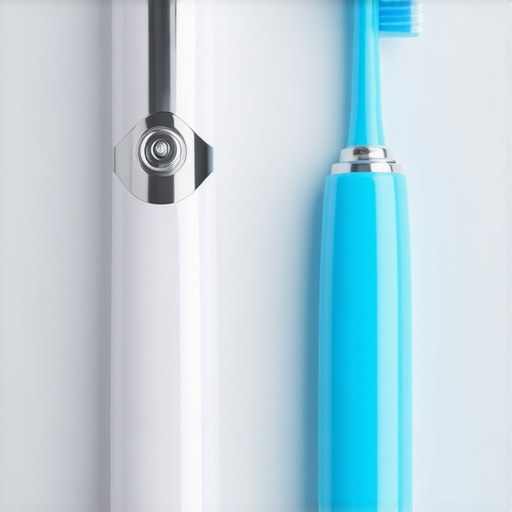
If you haven’t already, consider integrating a nightly oral irrigator or water flosser into your routine. This simple upgrade can dramatically improve gum health and help preserve your investment in cosmetic and family dentistry. Remember, a little extra effort now prevents costly repairs and ensures your smile remains stunning for years to come. Want more tailored advice? Reach out to your dentist and discuss personalized tools and routines that suit your specific needs. For professional guidance, you can always contact us via our contact page.
Embarking on the journey to a flawless smile taught me that true beauty goes deeper than just the material used—it’s about the artistry, personalization, and meticulous attention to detail. My experience revealed that achieving natural-looking dental restorations isn’t merely about choosing the right material, but about understanding the subtle nuances that make each smile unique. This insight has transformed the way I approach cosmetic dentistry and family dental care, emphasizing that personalized solutions truly shine.
What Surprised Me About Restorations That Look Authentic
One major lesson I learned is that even premium materials can look fake if not expertly layered and finished. It’s the technician’s skill in mimicking natural translucency and tissue dynamics that makes a real difference. I realized that consulting with your dentist about custom shading and layering techniques can elevate your result from good to extraordinary—an insight I wish I had known earlier.
Tools That Make a Real Difference in Long-Term Results
- Spectrophotometers: I trust these devices for precise shade matching, ensuring my restorations blend seamlessly with my natural teeth, preventing the glare of an unintended overly bright crown.
- High-Quality Polishing Kits: Regular polishing maintains the shine and smoothness, which is crucial for a natural luster that reflects light just like real enamel.
- Educational Resources from Reputable Clinics: Websites like [Transform Your Smile](https://straightsmileortho.com/transform-your-smile-with-veneers-expert-tips-for-perfect-results) offer invaluable insights that keep me informed about the latest techniques and materials that deliver authentic results.
By Embracing a Personalized Approach
The bottom line is that the secret to stunning, natural results lies in a personalized approach that considers your unique anatomy and aesthetic preferences. I learned to ask my dentist questions like, “How will this material look under different lighting?” or “Can we customize the layering to match my other teeth?” These conversations made all the difference.
Maintaining your dental work is equally important. Regular check-ups, professional polishing, and diligent oral hygiene can prolong the life and natural appearance of your restorations. I advocate for proactive maintenance, including tools like interdental brushes or water flossers, which help preserve the integrity and harmony of your smile over time.
Seize the Confidence to Shine Brightly
Achieving a natural, stunning smile is within your reach when you understand these behind-the-scenes principles. It’s about embracing details, advocating for personalized solutions, and committing to ongoing care. Your smile is a reflection of your personality—make sure it’s authentically you.
What specific concern do you have about your dental restorations? Share your experiences below—I’d love to hear your story and guide you toward a more natural, confident smile.
For more tailored advice or professional support, don’t hesitate to reach out via our contact page.