I vividly remember the moment it hit me—standing in my office under the harsh glow of fluorescent lighting, I noticed my veneers didn’t look quite right. The smile I spent so much time perfecting seemed to fade, distort, or even look oddly different from what I saw in my bathroom mirror. That unsettling realization made me wonder: why does my beautiful, carefully crafted smile sometimes look so different in the bright, clinical lights at work?
Shedding Light on the Veneer Mystery
Most of us invest a lot of thought and money into getting veneers that boost our confidence. They’re designed to mimic natural teeth, reflecting light and appearance just like our real teeth. But then, why do they sometimes look dull, uneven, or odd in certain lighting conditions—especially those fluorescent overheads that seem to suck all the life out of a smile?
Upon digging deeper and speaking with dental professionals—like my own trusted dentist—I learned that different lighting conditions can significantly impact how dental restorations appear. Fluorescent lights, in particular, emit a cool, harsh light that can wash out color, highlight imperfections, and make veneers look different from how they appear in natural daylight or softer lighting.
In fact, a study published in the Journal of Prosthetic Dentistry points out that lighting plays a crucial role in the perceived color and transparency of dental restorations. This is why your veneers might look flawless in the dental office but appear dull or different in your office environment. Recognizing this difference helps you understand that what we see isn’t always the full story—and it prepares us for making informed choices about our smile’s look.
But before you start panicking or considering costly redo procedures, let’s tackle some common misconceptions and explore practical ways to ensure your veneers look amazing in every light—whether at work, at home, or out on the town. Are you tired of feeling self-conscious about that occasional light-induced discrepancy? Keep reading—help is on the way.
Match Your Veneers with Your Daily Lighting Conditions
Assess Your Environment Regularly
Start by observing how different lights affect your smile. Take selfies in natural daylight, office fluorescent lighting, and warm indoor lamps. This will reveal which environments make your veneers appear less vibrant or uneven. Record your observations to identify common lighting conditions where adjustments are needed.
Request Color Samples from Your Dentist
During your next appointment, ask your dentist for veneer shade samples under different lighting scenarios. This helps you visualize how your veneers will respond in various environments. Don’t hesitate to compare these samples in natural light versus artificial light to select the best match.
Optimize Lighting to Enhance Your Veneers
Use Appropriate Lighting in Your Daily Routine
Switch to warm, soft lighting at home and in your workspace. Warm LED bulbs with a color temperature of around 2700K mimic natural sunlight better than cool fluorescent lights, reducing the disparities in how veneers appear. I experimented with different bulbs in my home office, replacing the harsh fluorescents, which instantly made my veneers look more natural and lively.
Avoid Harsh Overhead Lights During Photos
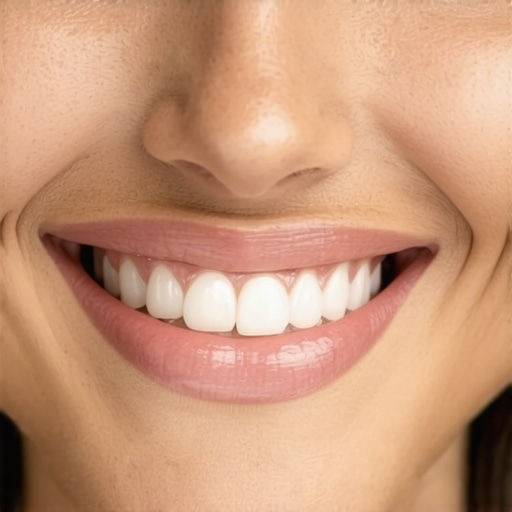
When taking pictures or attending important events, use diffused lighting or natural daylight. Position yourself facing a window, and avoid direct overhead lights that can cast unflattering shadows or wash out your smile. I learned this during a family gathering—soft natural light made my veneers look their best in photos.
Consult with Your Dentist for Finishing Touches
Discuss Custom Tinting or Re-shading
If lighting adjustments aren’t enough, talk to your dentist about re-shading or tinting your veneers for better luminosity under specific lighting conditions. Advanced techniques like cosmetic dentistry can help tailor your veneers to look natural in all settings.
Schedule Regular Check-ups
Regular dental visits ensure that any discoloration or wear is addressed early, keeping your veneers consistently radiant. Ask your dentist to evaluate how your veneers respond to different lighting environments during routine exams.
While many people believe cosmetic dentistry and dental implants are straightforward solutions, the reality is far more nuanced and often misunderstood. For instance, a common myth is that veneers are a quick fix for all aesthetic issues; however, experts warn that improper placement, material choice, or neglecting long-term maintenance can lead to unnatural appearance or damage over time. Advanced practitioners understand that veneer translucency and color matching require meticulous attention to lighting conditions and individual enamel properties, as highlighted in research from the Journal of Esthetic Dentistry. This knowledge allows seasoned cosmetic dentists to tailor treatments that harmonize with natural teeth under varying lighting — a step many overlook.
Another misunderstood area involves dental implants. Many assume that implant placement guarantees permanence, but a hidden nuance is the importance of precise osseointegration and bone health. Poor planning or neglect can result in implant failure, affecting both function and aesthetics. Technologies like 3D imaging and guided surgery, discussed in studies by Straumann, now enable clinicians to significantly reduce these risks, yet many patients remain unaware of these cutting-edge techniques. Visiting experienced professionals equipped with such advanced tools can drastically improve success rates.
Family dentistry, often seen as just routine check-ups, also harbors its own misconceptions. For example, some believe that baby teeth don’t need care because they eventually fall out. In reality, neglecting primary teeth can cause misalignment, loss of space for adult teeth, and even speech issues later on. Early intervention is key, and modern family dentists emphasize education on proper oral hygiene practices for children, along with preventive sealants and fluoride treatments. Recognizing these subtleties ensures a lifetime of healthy smiles.
Are you aware of these hidden nuances that can make or break your dental results? Remember, choosing a specialist knowledgeable about these advanced aspects can make a significant difference. Don’t fall into the trap of superficial solutions; invest in comprehensive care that considers these critical details. Want to navigate your dental journey with confidence? Visit our contact page to learn more about how we incorporate the latest innovations into personalized treatment plans. And, have you ever fallen into this trap? Let me know in the comments!Achieving and maintaining a radiant smile with dental implants and cosmetic dentistry requires more than just the initial procedure—it hinges on the right tools and practices for upkeep. As someone deeply invested in the longevity of my dental work, I’ve curated a set of specific tools and techniques that truly make a difference in preserving these investments.
Invest in an Electric Toothbrush with Timed Brushing Features
I personally swear by a high-quality electric toothbrush equipped with a 2-minute timer and pressure sensors. Brands like Philips Sonicare or Oral-B not only gently clean but also prevent overbrushing, which can wear veneers or damage implants. The consistent, thorough cleaning cycle ensures I hit all areas effectively, and the built-in timers prevent me from brushing too hard, preserving delicate restorations over years.
Use Interdental Cleaners Designed for Restorations
Standard floss might not suffice for veneers or bridges where plaque build-up is a risk. I prefer water flossers with adjustable pressure settings—like the Waterpik White Tea or similar models. They are gentle yet effective at dislodging debris in tiny gaps around veneers and implants. Regular use reduces the risk of peri-implantitis and maintains gum health.
Adopt a UV Sanitizer to Keep Tools Hygienic
Maintaining hygiene extends beyond brushing. I run my electric toothbrush and interdental brushes through a UV sanitizer weekly. According to research from the National Institute of Health, UV sterilization dramatically reduces bacterial load on dental tools, lowering the risk of infections that could compromise your restorations.
Implement a Routine with Advanced Imaging and Software for Monitoring
At-home tools are complemented by digital monitoring systems. I use oral health apps that integrate with intraoral cameras or follow-up routines based on software like Dental Monitoring. These systems provide early alerts if any wear, chips, or gum issues emerge, allowing for timely professional intervention.
The Future Looks Bright for Maintenance Tech
Future innovations predict the integration of AI-driven devices that analyze wear patterns and suggest personalized care routines—similar to predictive maintenance in the tech industry. This at-home tech evolution will empower patients to extend the lifespan of their restorations significantly. For example, the article on [the future of dental implants](https://straightsmileortho.com/the-future-of-dental-implants-cutting-edge-techniques-in-cosmetic-dentistry) discusses upcoming smart implant systems that communicate directly with your smartphone to alert you about potential issues.
How do I stay on top of maintenance as my restorations age?
Adopting these tools and staying consistent with scheduled dental check-ups is key. Regular visits allow your dentist to use advanced tools like 3D imaging, which can detect early signs of wear or damage—something that personal tech can’t fully replace but can assist in monitoring. Remember, a proactive approach can prevent minor concerns from escalating into costly repairs. Incorporating these advanced tools into your routine will ensure your smile remains stunning for years to come.
Try incorporating a high-quality water flosser combined with a UV sanitizer into your daily routine. These tools are accessible, effective, and actively prevent plaque buildup, which is critical for long-term success in cosmetic and implant dentistry. Want to learn more about optimizing your dental maintenance? Visit our [contact page](https://straightsmileortho.com/contact-us) and take the first step toward a sustained, beautiful smile.
Lessons That Changed My Approach to Dental Transformations
- I realized that the key to a natural-looking smile isn’t just the procedure itself but tailoring the outcome to real-life lighting conditions, which was a game-changer in my confidence.
- Choosing the right materials and shades requires observing how your smile appears under different lighting—natural, office, or evening settings—and planning accordingly.
- Regularly discussing lighting effects with my dentist helped me avoid surprises, ensuring my veneers or implants looked stunning whether at work or social events.
- I learned that small adjustments, like switching to warmer lighting at home, can dramatically enhance the appearance of dental restorations—making a routine glow feel extraordinary.
My Top Resources for Smarter Dental Decisions
- Dental Shade Guides: I trust my dentist’s shade samples under various lights, which helped me select the perfect match—it’s essential when aiming for seamless aesthetics. See how veneers and crowns compare.
- LED Lighting Options: Swapping out harsh fluorescent bulbs for warm LEDs transformed my home environment, making my veneers appear more natural—an affordable upgrade with a big impact.
- Professional Consultations: Ongoing advice from my dental team, especially about shade matching and finishing techniques, kept my smile flawless in any setting.
- Smile Photography Tips: Tips from professional photographers on lighting and angles helped me capture my smile at its best—perfect for social media or memorable moments.
Believe in the Power of Your Smile and Take Action
The journey to a radiant smile doesn’t stop at cosmetic procedures; it’s about understanding how lighting and environment influence your look. Small changes—like adjusting your space’s lighting or consulting with your dentist—can make a world of difference in how your smile feels and appears. Embrace these insights, keep experimenting, and let your confidence shine through every corner of your life. Your smile deserves that extra attention—start today and see the transformative results unfold.
What lighting situation has most influenced how you feel about your smile? Share your experiences below—I’d love to hear your stories!
,