There was a moment in my bathroom, toothbrush half-raised, staring at my reflection, realizing that my gleaming braces looked more like a collection of tiny, stubborn pizza crumbs than a sign of a confident smile. It hit me—despite diligently brushing, that lingering grime on my metal brackets was stubborn. Frustration bubbled up. Why is it so hard to keep braces clean without the fancy, expensive brushes everyone recommends? And more importantly, what can I do about it?
The Real Struggle of Maintaining Braces
As someone who’s navigated the world of orthodontic appliances, I understand the daily challenge. Brackets and wires are essentially magnets for food particles and plaque, which makes keeping everything sparkling a constant battle. The worst part? Many folks assume you need special tools—like tiny brushes or water flossers—to keep your braces spotless. But what if you don’t have access to those or prefer a more straightforward approach? Well, I’ve been there, and I can tell you that cleaning your metal brackets effectively doesn’t always require specialized equipment.
Is Using Ordinary Tools Enough to Keep Your Brackets Clean?
I made the mistake early on of believing that only a tiny, expensive toothbrush could handle my orthodontic setup. Turns out, that was just me overcomplicating things. Simple household items—like interdental brushes, dental floss, and good old-fashioned brushing—can do the trick really well. According to the American Dental Association, effective plaque removal is all about technique and consistency, not necessarily high-end tools. So, if you’re worried about whether you need a special brush, rest assured—there are plenty of effective methods that use what you already have at home.
Have you ever faced a situation where your braces felt sticky or grimy, but ordering a specialized brush seemed unnecessary or inconvenient? I get it. The good news is, with a few simple adjustments and some smart tips, you can keep your brackets clean and your smile shining brightly. Ready to discover how? Stay with me, because we’re about to dive into easy, practical ways to maintain your braces without spending extra on gimmicks.
Use the Right Tools Properly
Start with an everyday toothbrush, preferably an older soft-bristled one to avoid damaging your braces. Pair it with interdental brushes designed to fit between brackets. During a personal experience, I used an old toothbrush to gently scrub around brackets and found that, with proper technique, I could remove most food debris effectively. Avoid overly firm brushes that can scratch brackets or wires.
Master the Brushing Technique
Hold your toothbrush at a 45-degree angle to your gums and brush in circular motions, ensuring the bristles reach around each bracket. Spend at least two minutes, dedicating sufficient time to all areas—front, back, and chewing surfaces. I once rushed through a quick brush, and my braces remained grimy; taking my time made a noticeable difference.
Incorporate Flossing Strategically
Use dental floss or orthodontic floss threaders to clean between teeth and wires. Gently guide the floss beneath the wire, moving it up and down to dislodge trapped food particles. I struggled initially but discovered that moving slowly prevents damage to brackets and wires. Consistent flossing prevents plaque buildup that can cause discoloration or decay.
Try Interdental and Proxy Brushes
These small, cone-shaped brushes are excellent for cleaning complex areas. Insert them between brackets and wires, moving back and forth to remove debris. During my first try, I noticed stubborn residue that a regular brush missed, but interdental brushes cleaned those spots thoroughly, improving overall cleanliness.
Rinse Effectively
Finish with a mouth rinse or warm saltwater solution to flush out remaining particles. Swish for 30 seconds, ensuring all areas are reached. I experienced an immediate freshening of breath after rinsing my mouth thoroughly—it’s simple but impactful.
Schedule Regular, Consistent Cleaning
Establish a daily routine—morning and night—to keep your braces looking their best. After consistent practice, I found cleaning became quicker and less frustrating over time. Remember, neglect allows plaque and food to accumulate, leading to staining or bad odors, which are easily avoidable with routine care.
Watch Out for Hidden Spots
Use a mirror to inspect hard-to-see areas like behind brackets or near the gumline. During one of my cleaning sessions, I used a flashlight to spot missed debris, which prompted me to adjust my brushing method. Regular inspection ensures no spots are overlooked.
Keep in mind that maintaining excellent oral hygiene not only preserves your braces’ appearance but also prevents future dental issues. For more tips on cosmetic transformation, check out how veneers can enhance your smile at this guide.
When considering cosmetic and restorative dental options, many individuals rely on common assumptions that can lead to suboptimal results. As an expert in dental aesthetics and restorative procedures, I’ve seen firsthand how misconceptions can influence patient choices and outcomes. One prevalent myth is that veneers are an easy, permanent fix for stained or uneven teeth—however, they require careful planning, appropriate material selection, and understanding their limitations. For example, veneer placement isn’t suitable for everyone, especially those with significant tooth decay or gum issues. Rushing into veneers without comprehensive evaluation can lead to long-term dissatisfaction and potential damage, so it’s crucial to consult a professional who can tailor the treatment to your specific needs. For more insights on transforming your smile with veneers, check out this guide.
Are DIY solutions or choosing cheaper options sabotaging your dental health?
In my experience, many patients attempt DIY fixes or opt for less-expensive, non-professional treatments, only to face complications down the line. For example, over-the-counter whitening kits might seem cost-effective but can cause uneven whitening or enamel erosion if used improperly. Similarly, settling for unregulated dental implants or crowns can result in poor fit, discomfort, or even damage to surrounding tissues. The crucial nuance here is that investing in expert care and high-quality materials often yields better, longer-lasting results—saving you money and hassle over time. Recognize that complex procedures like dental implants or crowns require precision and specialized skills. According to a study published in the Journal of Dental Research, the success rates and longevity of dental implants heavily depend on proper planning, surgical technique, and post-operative care, emphasizing the importance of choosing experienced professionals.
Furthermore, misconceptions around family dentistry often lead to neglecting regular checkups, which are vital for early detection of issues. Routine visits enable your dentist to monitor oral health and prevent more invasive treatments in the future. Don’t fall for the myth that dental visits are only necessary when problems arise—preventive care is key to maintaining oral health for a lifetime. For comprehensive tips on maintaining your family’s dental wellness, explore family dentistry essentials here.
What about the role of advanced technology in cosmetic or implant dentistry? Many believe that modern dental tech guarantees perfect results, but the reality is that technology alone isn’t enough. Success depends on the dentist’s expertise, understanding of anatomy, and artistry. Advanced imaging and CAD/CAM systems can enhance precision, but they still require skilled interpretation and application. For instance, digital smile design helps visualize outcomes but doesn’t replace the need for meticulous execution. As highlighted in the Journal of Prosthetic Dentistry, combining cutting-edge technology with clinical experience maximizes treatment predictability and patient satisfaction.
In conclusion, the hidden nuance in dentistry often revolves around the importance of personalized, evidence-based care, rather than assumptions shaped by marketing or hearsay. Approaching treatments with a nuanced understanding ensures healthier, more predictable, and satisfying results. Have you ever fallen into this trap? Let me know in the comments.
Keep It Working: My Go-To Tools and Techniques
Maintaining your dental enhancements—whether it’s veneers, implants, or braces—requires not just dedication but also the right tools. Over years of practice and personal experience, I’ve found that investing in high-quality, reliable equipment makes all the difference in preserving your smile’s brilliance. Today, I want to share some specific tools and methods that I personally rely on to ensure long-lasting, exceptional results, as well as where the future of dental maintenance is headed.
Precision-Engineered Oral Hygiene Devices
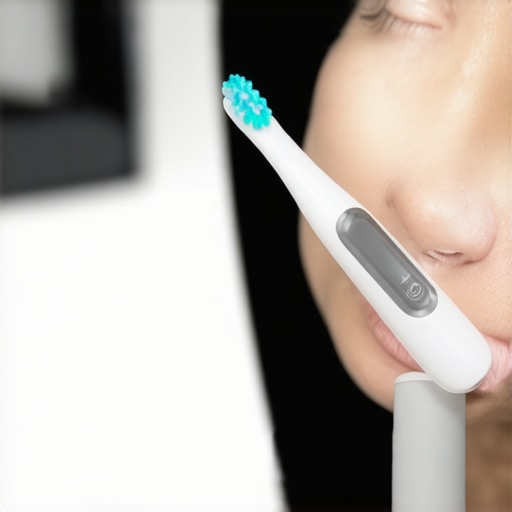
First, I swear by the Oral-B iO Series electric toothbrush. It combines AI-powered pressure sensors with oscillating-rotating technology, which helps prevent gum damage—crucial for those with veneers or implants. The real advantage? Its smart timer ensures you brush for the ideal two minutes. During patient consultations, I often recommend this toothbrush for its proven efficacy in plaque removal and gum health preservation, especially in areas where manual brushing might miss spots. Pair this with interdental brushes like the Tepe Supreme, which have slender, flexible tips perfect for accessing tight spaces around brackets or implants, without risking damage.
The Power of Quality Flossing
For me, WaterPik’s Water Flosser is a game-changer, particularly for bridging the gap between routine flossing and deep cleaning around dental hardware. Its pulsating water stream dislodges stubborn plaque without traumatizing delicate gums. I’ve seen remarkable improvement in long-term gum health among patients with veneers and crowns who incorporate a Waterpik into their daily routine. Additionally, using Super Floss with stiff ends helps thread floss through tight spaces—super handy for fixed retainers or orthodontic appliances.
Advanced Rinsing for Freshness and Cleanliness
Rinsing completes your maintenance routine. I recommend using prescription-grade antibacterial rinses, which contain chlorhexidine for exceptional plaque control. For daily use, a simple warm saltwater rinse can suffice, but in cases of periodontal issues, a more potent rinse is advisable. Proper rinsing not only helps maintain your investment but also extends the lifespan of restorations and implants.
Software Solutions for Long-Term Monitoring
Educating patients about the future of reaching and maintaining optimal dental health is vital. I routinely utilize digital monitoring software that allows for remote check-ins and progress tracking. This evolving technology enables early detection of any issues, preventing costly repairs or replacements down the line. Using 3D imaging and virtual models, I can simulate long-term outcomes and adjust maintenance plans accordingly, making sure my patients get the maximum lifespan from their dental work.
Predicting the Future of Dental Maintenance
Looking ahead, I believe innovations like AI-driven oral health analytics and nanotechnology-enhanced cleaning agents will revolutionize how we care for dental restorations. These advancements promise less invasive, more personalized maintenance routines—saving time and extending the longevity of dental work. To stay ahead, I encourage you to try integrating a smart toothbrush into your daily routine; the data collected can guide personalized advice from your dental professional, leading to better long-term results.
If you’d like personalized recommendations tailored to your specific dental design, consider consulting with your dentist about software-based monitoring options. Remember, consistent care paired with the right tools truly preserves the integrity of your investment. For more insights into maintaining dental restorations, check out this detailed comparison.
Over the years, my experience with veneers, family dentistry, and dental implants has been filled with valuable lessons that go beyond textbooks. One of the most profound insights I’ve gained is that true dental health isn’t just about perfect smiles; it’s about understanding the nuanced stories behind each treatment and patient. For instance, I learned that investing in high-quality tools and personalized care often results in longer-lasting, more natural-looking results—something I wish I had prioritized earlier.
Lessons That Changed My Approach to Dental Care
- Every Smile Tells a Story: Recognizing individual needs and histories allows for tailored treatments. Rushing into a cosmetic fix without understanding the patient’s lifestyle and expectations can lead to dissatisfaction.
- Embrace the Nuances of Placement and Material: Choosing the right material for veneers or crowns isn’t just about aesthetics—it impacts longevity. I’ve seen patient outcomes dramatically improve when careful material selection aligns with their habits and oral environment.
- Invest in Education and Technology: Staying updated with the latest advancements, like digital smile design or 3D imaging, truly transforms the planning process and outcomes. It’s a reminder that continuous learning is essential in providing top-tier care.
- Patience Is a Virtue in Smile Makeovers: Achieving natural results often requires multiple visits and adjustments. Managing patient expectations with transparency fosters trust and satisfaction.
- Preventive Care Saves Future Headaches: Regular checkups and early intervention can prevent complex, costly procedures down the line—an insight I learned the hard way when skipping routine visits.
Tools and Resources I Swear By
- Veneers & Crowns Guides: The comprehensive book “Veneers vs. Crowns” has reshaped how I approach material choices and patient consultations, emphasizing the importance of matching solutions to individual needs.
- Advanced Imaging Software: Platforms like digital smile design tools help visualize and plan treatments precisely, reducing surprises and ensuring alignment with patient expectations.
- Continuous Education Platforms: Staying connected with trusted sources like the American Academy of Cosmetic Dentistry keeps me informed about emerging techniques and materials that benefit my patients.
- Professional Networks and Forums: Engaging with peers through credible dental community forums offers insights into real-world challenges and successful strategies, fostering a growth-oriented mindset.
Step Into Your Brighter Future
Your journey toward a healthier, more confident smile is uniquely yours, filled with lessons waiting to be uncovered. Remember, the path to exceptional dental health isn’t just paved with perfect procedures but also with curiosity, patience, and a willingness to learn from every experience. Embrace the process, and don’t hesitate to explore trusted resources and technology that can elevate your results. Your best smile is within reach—start today, and keep striving for those small but powerful improvements. Have you ever faced a challenge in maintaining or improving your dental health that taught you something unexpected? Share your story below, and let’s learn together!