It was late at night when I first experienced that stabbing pain in my jaw, and I couldn’t tell if it was a toothache or just a sinus headache. Frustration set in because each time I thought I had it figured out, the pain shifted or got worse. Sound familiar? That confusing, sometimes terrifying sensation of not knowing what’s really behind that ache. Well, let me tell you—you’re not alone, and there’s hope.
Deciphering Jaw Pain: Tooth or Sinus? The Struggle Is Real
I’ve learned over the years that distinguishing between dental and sinus issues isn’t always straightforward. This confusion can lead to unnecessary treatments or delayed care, making things worse. The good news? There are clear signs and simple steps to identify the culprit, saving you time, money, and discomfort. Today, I’ll guide you through my personal journey and share practical insights so you can tackle this headache with confidence.
Is Your Diagnosis Worth the Hassle?
I remember early on, I made a major mistake—I rushed to assume it was a cavity, only to find out it was a sinus infection after visiting my dentist and ENT specialist. This misstep delayed proper treatment and prolonged my pain. Trust me, jumping to conclusions can be costly. Recognizing the differences early on is crucial, and understanding that symptoms often overlap is part of the process.
According to recent research, sinus infections can cause jaw pain that mimics dental issues, leading to confusion for many sufferers (source: Mayo Clinic). That’s why knowing the key distinctions can make all the difference in finding relief quickly.
In the next sections, we’ll explore how to evaluate your symptoms carefully and decide whether a visit to your dentist, ENT, or both is the right move. Ready to demystify your jaw pain? Let’s dive in and uncover the clues together — because knowing what’s really behind that ache is the first step toward feeling better.
.
Evaluate Your Symptoms Precisely
Start by making a detailed symptom diary. Record when the pain occurs, its intensity, and any triggers such as chewing or cold air. For instance, I once noticed that my pain worsened after eating sweets, hinting at a possible cavity. This meticulous tracking helps differentiate between dental and sinus issues.
Check for Infection Signs
Look for accompanying symptoms like swelling, redness, or fever. Sinus infections often cause facial pressure and nasal congestion, whereas dental infections might present as persistent tooth sensitivity or a throbbing sensation. Once I observed facial swelling coupled with nasal congestion, I realized a sinus infection was the culprit, emphasizing the importance of thorough observation.
Palpate and Identify Pain Points
Gently press around your jaw, cheeks, and forehead. Tenderness in the cheeks and upper jaw may indicate sinus issues, while localized pain near a specific tooth suggests a dental problem. I remember pressing around my sinuses and feeling tenderness, confirming sinus involvement.
Test Response to Temperature and Pressure
Apply gentle pressure or temperature changes. If hot or cold stimuli trigger pain, it might point to enamel sensitivity or a cavity. If pressure around the sinuses increases discomfort, sinusitis could be causing the pain. I once tried a cold compress on my face, which alleviated sinus pain but not dental discomfort, guiding me toward the correct treatment route.
Use Over-the-Counter Remedies Wisely
Take note of how your pain responds to analgesics. Effective relief with sinus medications indicates sinus origin, while dental pain might require specific treatments. During my experience, NSAIDs helped reduce sinus pressure, confirming the diagnosis.
Decide When to Seek Professional Care
If symptoms persist beyond a few days, worsen, or if you experience additional signs like high fever or swelling, consult a healthcare professional promptly. In my case, persistent pain after initial self-care prompted a visit to the dentist and ENT specialist, preventing unnecessary delays.
Distinguish Between Dental and Sinus Issues at Home
Understand that sinus pain often worsens when leaning forward or lying down, whereas dental pain might worsen during biting or chewing. Recognizing these patterns can save time. I recall noticing my pain intensified when I tilted my head forward, a telltale sign of sinus involvement.
Incorporate Visual Aids for Better Understanding
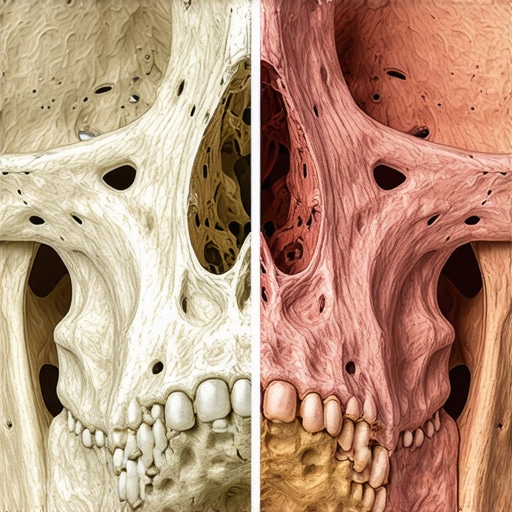
Visual diagrams showing sinus anatomy versus jaw and tooth structures can help clarify the source of pain. Such visuals reinforced my understanding when I was unsure about the origin of my discomfort.
Maintain a Symptom Log and Follow Up
Continuously track your symptoms, noting any changes or improvements. A detailed log makes follow-up with professionals more productive. My records of pain patterns allowed my doctors to fine-tune the diagnosis efficiently.
Many people assume that procedures like veneers, dental implants, and family dentistry are straightforward solutions that come with clear-cut expectations. However, as an expert in transformative dental care, I often see misconceptions that can lead to disappointment or even long-term damage. Let’s explore some of the most overlooked nuances, common myths, and advanced traps to avoid, so your smile journey isn’t just superficial—it’s deeply informed. \n\nFirst, a widespread myth is that all veneers and crowns are created equally. In reality, the type of material used, such as porcelain or composite, significantly impacts longevity and natural appearance. For example, choosing between veneers and crowns isn’t just about aesthetic preference but also involves understanding the strength and coverage needed for your specific tooth structure. I recommend reading about the nuances in [ veneers vs crowns ] to make an educated choice that aligns with your goals.\n\nAnother common misconception revolves around dental implants. Many believe that implants are a quick fix; however, the success of an implant hinges on precise osseointegration and adherence to treatment planning. Bone quality and jaw alignment are often underestimated factors that influence the long-term stability of implants. For those venturing into this realm, exploring the latest [ dental implant innovations for 2025 ] can reveal cutting-edge techniques that improve success rates and patient comfort.\n\nNow, let’s address the trap that surprises many: assuming that cosmetic improvements are only about whiteness or bright colors. Cosmetics are more intricate—shade matching, translucency, and texture all play vital roles in achieving a natural look. A poorly matched veneer or crown can be more conspicuous than your original teeth. I always emphasize the importance of working closely with a skilled cosmetic dentist, which you can learn about through [transform your smile with veneers — expert tips for perfect results].\n\nRegarding family dentistry, the misconception is that standard check-ups suffice for life. Truthfully, preventive care requires personalized strategies, especially for children’s developing teeth or adults with specific needs. Regularly updated treatment plans help prevent complex issues down the line, making every appointment a step towards lifelong oral health. For comprehensive insights, review [family dentistry tips for a lifetime of healthy smiles].\n\nCritics may argue that advanced procedures are unnecessary or risky. Yet, neglecting nuanced assessments such as occlusal analysis or micro-movement assessment can lead to failures like veneer chipping or implant loosening. For example, an overlooked bite misalignment can cause undue stress on restorations, leading to early failure. Staying ahead involves understanding these finer details, which is why advanced diagnostics are integral to modern dentistry. Read more about [cutting-edge techniques in cosmetic dentistry].\n\nFinally, for those considering dramatic aesthetic shifts, beware of the ‘instant fix’ mentality. Achieving that perfect smile is a process requiring precise planning, material selection, and patient-specific customization. Quick solutions often neglect these nuances, resulting in outcomes that don’t last or look artificial. Your smile deserves more than a one-size-fits-all approach—being aware of these hidden nuances will help you navigate your options wisely.\n\nHave you ever fallen into this trap? Let me know in the comments. Remember, understanding the deeper layers of dental treatments not only boosts confidence but also preserves your oral health for years to come.
Maintaining a healthy, radiant smile requires more than just good habits—it demands the right tools and techniques that support your dental journey over time. As a dentist committed to empowering my patients, I recommend specific equipment and methods that have proven effective in ensuring longevity, aesthetics, and function of treatments like veneers, implants, and family dentistry routines.
Invest in a Quality Electric Toothbrush for Precision Cleaning
From personal experience, I swear by high-end electric toothbrushes like the Oral-B Genius or Philips Sonicare DiamondClean. These devices use oscillating sonic technology that provides superior plaque removal compared to manual brushes. I personally use the Sonicare because its timer and pressure sensors help me avoid overbrushing, which can cause gum recession around implants and veneers. Regular use of such tools keeps restorations and natural teeth vibrant and reduces the risk of decay or gum issues that compromise long-term results.
Utilize Water Flossers for Deep Interdental Cleaning
Traditional flossing can be challenging, especially around intricate restorations like veneers or implants. That’s why I incorporate water flossers into my routine, specifically the Waterpik AquaSonic. Its pulsating stream not only cleans effectively but also stimulates gum health, crucial for supporting long-term implant stability and preventing peri-implantitis. In my practice, I’ve seen remarkable improvements in patients who adopt water flossers, especially those with multiple restorations. Incorporating this technology routinely safeguards your investment and your oral well-being.
Adopt a Routine Software-Based Monitoring System
Modern dentistry is moving towards digital tracking. For my personal care, I use apps like Smile Reminder to log daily habits, track sensitivity or pain episodes, and set reminders for hygiene routines. This data-driven approach allows me to spot early signs of issues like veneer chipping or implant loosening before they escalate. Looking ahead, I believe integration of AI-powered apps that analyze oral photos will become a staple, enabling proactive care tailored to your unique dental profile.
How Do I Maintain These Tools Over Time?
Regular maintenance of your tools is key. Electric brushes should be replaced or serviced every 3-6 months; water flossers require descaling and thorough cleaning to prevent bacteria buildup; and digital apps need periodic updates for optimal performance. Staying disciplined with maintenance ensures these tools continue delivering effective results, preserving your investment in cosmetic and restorative procedures like veneers or dental implants.
Looking towards the future, I predict that advancements in smart dental devices—integrating sensors, real-time feedback, and data sharing with your dentist—will revolutionize routine care. Integrating these into your home routine now sets the stage for a more personalized, efficient approach to long-term oral health.
If you’re ready to enhance your maintenance routine, I recommend starting with a high-quality electric toothbrush like the Sonicare DiamondClean and pairing it with a water flosser. These small but powerful updates can significantly extend the lifespan of your dental restorations and natural teeth alike. To explore your options further, visit our contact page for personalized recommendations and support.
Over the years, my journey through transforming smiles and restoring confidence has revealed that the most profound lessons often come from the unexpected challenges and misconceptions we encounter along the way. These insights not only shaped my practice but also deepened my understanding of patient experiences. Today, I want to share a few personal revelations that have transformed how I approach family, cosmetic, and restorative dentistry.
Beyond Surface Beauty: Embracing the Nuances of Dental Care
I once believed that a beautiful smile was just about choosing the right shade or material. However, I’ve learned that true excellence lies in understanding the subtle interplay of shade matching, translucency, and how each patient’s unique facial features influence the final result. This realization pushed me to pursue advanced training and incorporate more personalized techniques, ensuring each smile is as natural as the person it belongs to.
Myths That Can Hold You Back from Perfect Results
One of the hardest lessons was realizing how common misconceptions—like believing all veneers are alike or that dental implants are a quick fix—can delay or compromise your outcomes. Recognizing these myths helped me guide patients more effectively, highlighting the importance of tailored treatments and the latest innovations, such as those explored in cutting-edge dental implant techniques.
Listening Is as Important as Technology
While technology has revolutionized my practice—from digital diagnostics to precise 3D imaging—I’ve realized that listening deeply to my patients’ concerns, fears, and goals provides the best foundation for successful care. A personalized approach, combined with the latest tools, results in treatments that genuinely improve lives and boost confidence. I encourage you to communicate openly with your dentist, asking questions about veneers versus crowns to understand your options better.
Stay Curious, Keep Learning
The field of dentistry is constantly evolving. My biggest takeaway is that staying curious and committed to continuous learning ensures I offer my patients the best. Whether it’s the newest materials, techniques, or holistic strategies, embracing innovation has allowed me to craft smiles that are durable, natural, and uniquely suited to each individual. For those interested in staying ahead, exploring smile transformation tips can be a good start.
Remember, a smile is more than aesthetics—it’s a reflection of your confidence and health. Embracing these lessons has reaffirmed that the journey toward a better smile is as much about personal growth as it is about technical excellence.
My Favorite Tools for a Lasting Smile
From personal experience, incorporating quality tools has made a significant difference. I recommend investing in a high-end electric toothbrush like the Sonicare DiamondClean for superior plaque removal and gentle gum care, especially around restorations. Pair it with a water flosser such as the Waterpik AquaSonic, which helps clean hard-to-reach areas and supports implant longevity. These tools have empowered me—and my patients—to maintain excellent oral health at home, extending the lifespan of veneers, implants, and traditional teeth alike.
Continuing to refine your home routine with such equipment can be transformative. For tailored recommendations on maintaining your smile, consider reaching out through our contact page.
Believe in Your Smile’s Power
The journey toward the smile you desire isn’t just about procedures; it’s about trusting the process, staying informed, and embracing every lesson along the way. Your commitment to understanding your options and caring for your teeth will pave the path to confidence and health. Don’t wait for perfection—start today, and watch how each small step leads to a radiant, resilient smile.
What surprising insight have you gained from your own dental experiences? Share your story below—your journey might inspire someone else to take the first step toward their best smile!