I remember the moment vividly—sipping my morning coffee when I noticed a strange, gritty sensation in my mouth. As I looked in the mirror, I saw what looked like a tiny metal tip peeking through my gum line. Panic surged through me. Was something wrong with my implant? Had I missed something during my routine check? That small, alarming sight led me down a rabbit hole of questions and worries.
Why You Should Care About Showing Implant Screws
Many people don’t realize that a visible screw in their gum isn’t just a cosmetic issue—it can signal underlying problems that might compromise your oral health. When the screw becomes exposed, it might invite bacterial buildup, increasing the risk of infection or implant failure. Plus, it can cause discomfort or even pain when eating or talking. Recognizing the signs early can make all the difference in preventing more serious complications.
Have you ever experienced this unsettling sight? You’re not alone—and the good news is, I discovered that with a bit of knowledge, you can address it before it turns into a costly dental emergency.
Is Checking for Exposed Screws Really Necessary?
Early in my journey, I made the mistake of dismissing minor irritations or disregarding that tiny glimpse of metal. I thought, “It’s probably nothing,” but ignorance can be costly. Experts emphasize the importance of regular self-checks and prompt professional consultation if you notice any irregularities. Being proactive helps ensure your implant remains healthy and functional.
If you’re unsure about what to look for or suspect something’s off, don’t ignore your instincts. For a thorough evaluation, consider reaching out to a trusted specialist via [this contact page](https://straightsmileortho.com/contact-us-2), who can provide personalized advice and treatment options. Recognizing the signs early can save you time, money, and your smile.
Understanding when a screw is visible isn’t always straightforward, but with some simple tips, you’ll be better prepared to spot the warning signs. Up next, let’s explore how to identify those signs and take appropriate steps to protect your investment in your smile.
Inspect Regularly and Methodically
My first successful step was to establish a habit of daily oral inspection using a mirror with good lighting. I gently pulled back my lips and gums, observing the implant area for any signs of exposed screw threads or unnatural tissue recession. Repetition helps develop a keen eye. Remember, early detection is crucial to prevent infections or implant failures.
Identify Warning Signs Clearly
Look for visual cues such as a shiny metal tip peeking through the gum, redness, swelling, or bleeding. In my case, I noticed a tiny metallic shine one morning; this was my cue to act promptly. Compare what you see with the healthy tissue around it—any deviation may indicate a problem.
Use Techniques to Differentiate Normal from Problematic
Gently touch the gum area with a clean finger or sterile probe—if you feel a rough edge or metal bump, it could signify screw exposure. However, avoid probing aggressively to prevent dislodging the implant. To be sure, take a clear photo of the area and compare it with previous images or consult your dentist for validation.
Maintain Hygiene Specifically Around the Implant
I adopted a meticulous cleaning routine focused on the implant zone. Using a soft-bristled toothbrush and interdental brushes, I gently cleaned around the implant, removing plaque and minimizing irritation. Proper hygiene reduces the risk of bacteria buildup that could worsen a screw exposure.
Document Changes for Tracking Progress
I kept a journal with timestamped photos, noting any changes in the appearance or sensation of the area. This documentation proved invaluable when consulting my dentist, providing clear evidence of progression or resolution. Consistent records help you and your oral health team make informed decisions.
Reach Out to a Professional Quickly
If you detect visible screw exposure or persistent discomfort, do not delay contacting your dentist. Early intervention can prevent complications like infection or implant failure. When I noticed the tiny metal tip, I scheduled a prompt appointment through their contact page to get professional advice.
What Not to Do When Checking Your Implant
Avoid using sharp objects or excessive force during inspection, which can damage the implant or gums. Also, do not try to self-ccrew or adjust the implant—professional intervention is essential to ensure safety and proper management.
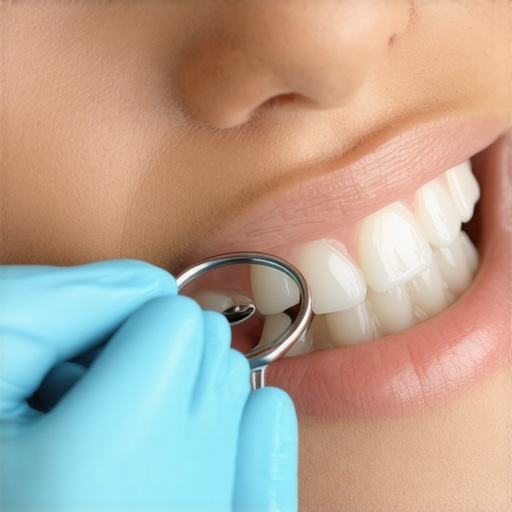 While manyPatients believe they understand the basics of dental care, misconceptions often persist about family dentistry, dental implants, and veneers. One widespread myth is thinking that all veneers are purely cosmetic; however, veneers can also protect and strengthen teeth. Advanced practitioners know that choosing between veneers and crowns isn’t just about appearance—it’s about preserving tooth structure and long-term health. Many assume that dental implants are a quick fix, but innovative implant techniques have dramatically improved success rates and comfort, yet misinformation about their complexity persists. An often-overlooked nuance is the importance of material selection; for example, zirconia implants offer distinct benefits over traditional titanium, as highlighted by experts in cutting-edge cosmetic dentistry. Additionally, many think that family dental visits are only for emergencies, but regular checkups can prevent issues before they escalate. The misconception that cosmetic dentistry always involves intrusive procedures overlooks advances like minimally invasive veneers, which you can learn more about in this transformation guide. A common trap is believing that whitening results are permanent—yet, understanding the limitations and maintenance routines can save you disappointment. For example, lifestyle habits significantly affect longevity, especially with staining foods and beverages. Still, the most significant mistake is ignoring early signs of implant screw exposure or other complications; promptly contacting your dentist through this link can make a vast difference in outcomes. The hidden nuance here is recognizing subtle tissue changes instead of waiting until discomfort or visible issues arise. Remember, mastering these details means not just maintaining but truly optimizing your oral health. Are you guilty of falling into these common misconceptions? Let me know in the comments! Understanding these nuances enhances your ability to make informed decisions and avoid costly errors in your dental journey.Maintaining your dental work over time requires more than just good habits—it demands the right tools and a strategic approach. I personally rely on a high-quality cordless sonic toothbrush, like the Aquasonic Black Series, because its oscillation frequency effectively removes plaque even around implants and veneers, reducing the risk of complications. Additionally, interdental brushes such as the TePe Supreme ensure thorough cleaning between teeth, especially crucial for those with crowns or bridges where traditional flossing may miss plaque buildup. Using an electric water flosser, like the Waterpik Aquarius, has transformed my routine by flushing out debris from hard-to-reach areas, preventing bacteria accumulation that could lead to infections or implant issues.
How do I maintain my cosmetic and restorative work over time?
Adapting to advances in dental technology is essential. For example, newer materials like zirconia for crowns and veneers offer enhanced durability and stain resistance, aligning with future trends highlighted in cutting-edge cosmetic dentistry research. Regular professional check-ups, combined with at-home tools, help monitor any early signs of wear or damage. I also use a disclosing tablet every few weeks to identify plaque buildup and adjust my brushing technique accordingly, ensuring long-lasting results. Oral irrigators must be maintained properly—descaling them regularly prevents mineral buildup that could impair performance. Moreover, keeping your tools sanitized by soaking brushes and flosser nozzles in antibacterial solutions adds an extra layer of protection. These proactive measures not only extend the life of your restorations but also improve overall oral health, reducing future costs and discomfort. In my experience, integrating these specific devices and routines empowers me to keep my smile healthy for the long haul. Consider trying a combination of interdental brushes and an electric water flosser to see immediate improvements. Remember, dedicated maintenance today sets the foundation for a confident smile tomorrow.
Lessons That Changed My Approach to Smile Care Forever
- Seeing a tiny metal tip peeking through my gum taught me that even small signs can hide bigger issues, reminding me to pay close attention during daily checks especially after getting dental work.
- Realizing that many misconceptions about veneers and implants stem from lack of clear information made me seek out trusted experts, so I could distinguish fact from fiction in my oral health decisions.
- Learning that friendly, open communication with my dentist about any concerns, no matter how minor, can prevent serious complications later—this shift in mindset has empowered me to take charge of my smile’s longevity.
My Go-To Resources for Family Dentistry and Cosmetic Enhancements
- Professional Consultation via their contact page: A personalized assessment is irreplaceable, providing tailored advice and reassurance that aligns with my unique dental needs.
- In-Depth Reading with this guide on veneers and crowns: It helped me understand the nuances between options, ensuring I choose treatments that preserve my natural teeth and boost confidence.
- Innovative Trends from cutting-edge research: Staying updated with advancements in dental implants and materials keeps me optimistic about long-term durability and aesthetics.
- Reliable Tools Like Electric Water Flossers: My routine benefits from proven devices that gently yet effectively maintain oral health around implants and veneers, reducing infection risks and prolonging restorations.
Take Your Smile to New Heights Today
Embracing knowledge and proactive care in family dentistry and cosmetic dentistry empowers you to safeguard your investment in a beautiful, healthy smile. Remember, the journey toward optimal oral health isn’t just about avoiding problems—it’s about transforming your confidence and daily well-being. Now is the perfect moment to start applying these insights, ensuring your smile remains radiant and resilient for years to come.