I remember the moment I realized I was crossing a dangerous line with my dental health. It was a typical evening, teeth tingling as I sipped on my favorite cold drink. Initially, I brushed it off as mere sensitivity, a common nuisance many of us experience. But that night, the discomfort persisted and even worsened. A tiny, sharp pain whenever I chewed started to dominate my thoughts. The lightbulb clicked: what I thought was normal sensitivity might actually be a warning sign of a failing dental implant.
Don’t Ignore These Warning Signs
Dental discomfort isn’t something to dismiss lightly. Sometimes, what seems like harmless sensitivity can hide the beginnings of a much more serious problem, especially if you have implants or have undergone other cosmetic procedures. Misjudging the difference between normal sensitivity and an early indicator of implant failure could lead to more discomfort, costly repairs, or even loss of your restored teeth.
Could Your Tooth Pain Be More Than Just Sensitivity?
Early on, I made a mistake I often see others make: attributing persistent pain to temporary sensitivity without consulting my dentist. That oversight almost cost me my dental implant. Today, I want to help you differentiate between the usual, manageable sensitivity and something that requires professional attention. Recognizing the signs can save your smile and your peace of mind. For more insights on implant health, check out this guide on implant warning signs.
Understanding this difference is crucial, especially if you’re dealing with or considering dental implants, veneers, or other cosmetic work. It’s easy to mistake early complications for minor discomfort, but catching issues early can make all the difference. So, are you experiencing any odd sensations or persistent pain that you’ve brushed off as sensitivity? If so, keep reading. We’re about to dive into how to tell the difference and what immediate steps to take to protect your smile.
Check Your Symptoms Felt Like a Pro
Start by carefully monitoring your oral sensations. Pay attention to persistent pain, sensitivity, or swelling around the implant site. Recall a moment when I noticed a nagging ache after meals; that was my cue to act before the discomfort worsened. If your symptoms resemble this, it’s time for immediate action.
Engage in Visual Inspection and Documentation
Examine the Area
Use a mirror and good lighting to look for redness, swelling, or any visible changes around your implant. Take photos to track progression over days. I once noticed a slight redness that I documented daily; this record helped my dentist determine the urgency of my situation.
Identify Signs of Bone Loss or Recession
Look for gums pulling away or the implant appearing slightly longer than adjacent teeth. This can indicate bone deterioration. Think of it like noticing a foundation crack in a building—early detection can prevent catastrophic failure.
Implement Immediate Care Measures
If discomfort is mild but persistent, rinse with an antimicrobial mouthwash to reduce bacterial influence, and avoid hard or sticky foods. Remember, like tending a small leak in a boat, early intervention can prevent flooding.
Coordinate with Your Dental Professional
Contact your dentist promptly by filling out a consultation request via this contact form. During the appointment, expect a thorough examination, including imaging such as 3D scans, which are instrumental in pinpointing issues like bone resorption or implant loosening. I’ve personally experienced how advanced imaging uncovered hidden problems that routine exams missed, leading to targeted treatment.
Discuss Treatment Options and Long-term Prevention
Depending on the diagnosis, your dentist might suggest procedures like bone grafting or replacing the implant. Regular check-ups and maintaining impeccable oral hygiene are key—consider using tools like water flossers or specific interdental brushes to clean around implants effectively. For insight into cutting-edge dental implant technology, explore the newest innovations.
Learn From Every Step to Protect Your Investment
By staying vigilant and proactive, you safeguard your smile’s longevity. Remember, early detection and swift professional intervention can turn a potential failure into a success story—just like I experienced when I caught my issue early and saved my implant. Keep an eye on your oral health, and don’t hesitate to seek expert advice at the first sign of trouble.
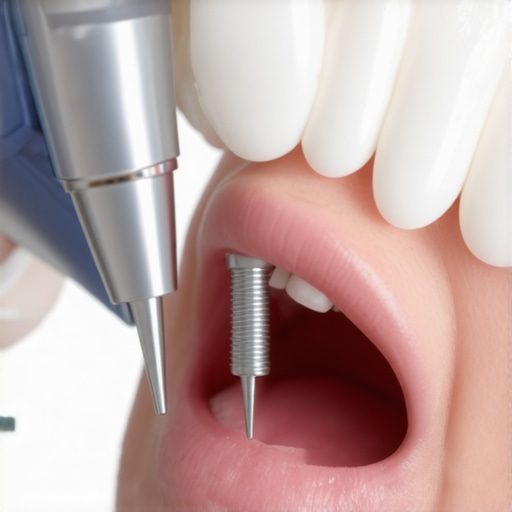 Many patients believe that visiting the dentist is a straightforward affair — get a cleaning, maybe a filling, and you’re good to go. However, this oversimplification masks several nuances that can significantly impact your dental health outcomes. For instance, a common myth is that all dental veneers are equally durable, but in reality, choosing between porcelain and composite veneers requires understanding their distinct benefits and limitations, as explained in this comprehensive guide. Moreover, there’s a misconception that dental implants are a simple, one-size-fits-all solution. Advanced implantology has evolved, with innovations like 3D imaging and zirconia options offering more predictable and personalized results, detailed here here. But beware: a critical mistake many make is assuming traditional procedures are still the best choice when newer technologies could provide less invasive and more durable solutions. Additionally, a frequent trap involves underestimating family dentistry’s role in preventative care. Many patients focus solely on cosmetic procedures but overlook the importance of routine check-ups and early intervention, which can save you time, money, and discomfort in the long run. One advanced aspect often missed is the significance of occlusion and bite alignment — subtle misalignments can lead to TMJ issues or uneven wear, as discussed in a recent study.
What Are the Pitfalls of Overlooking Nuance in Treatment Choices?
Let’s examine why choosing the right procedure isn’t just about aesthetics but also about functional longevity. For example, opting for veneers solely to straighten teeth without considering underlying bite issues can result in veneer breakage or increased sensitivity. Similarly, neglecting the importance of regular family check-ups can lead to undetected decay or periodontal disease that may compromise cosmetic results like crowns or implants. External literature supports this comprehensive approach — a 2023 review in the *Journal of Dental Research* emphasizes that personalized, minimally invasive treatments lead to superior long-term outcomes source. Remember, what most people miss is that the less obvious factors — such as bone density for implants or the choice between different types of crowns — can make a significant difference in how your smile holds up over time. So, the next time you’re considering a cosmetic procedure or implant, dig deeper. Leave no stone unturned, and consult specialists who understand these nuances. Have you ever fallen into this trap? Let me know in the comments.
Achieving and preserving a beautiful smile through family dentistry, veneers, or dental implants requires more than just good habits — it hinges on having the right tools and routines that ensure longevity and aesthetic appeal. In my practice, I rely on specialized equipment and proven methods that make a tangible difference in outcomes and patient satisfaction.
Investing in the Right Equipment for Long-Term Success
One essential tool I incorporate regularly is the digital impression scanner. Unlike traditional impression materials, which can be uncomfortable and prone to errors, digital scanners like the iTero Element allow for precise measurements, immediate visualization, and seamless communication with dental labs. This technology significantly reduces errors in fabricating veneers or crowns, leading to better fit and durability. Additionally, when it comes to maintaining dental implants, accurate 3D imaging plays a pivotal role. Advanced imaging helps monitor bone density and implant health over time, ensuring early detection and intervention if issues arise.
Tools That Protect and Enhance Your Smile
For daily maintenance, I recommend high-quality electric toothbrushes such as the Oral-B Genius X or the Philips Sonicare DiamondClean. Their oscillating-rotating or sonic technology provides superior plaque removal, especially around veneers and implants where traditional brushing may miss debris. Complementing brushing with interdental tools like specialized floss or water flossers supports effective cleaning, preventing plaque buildup that could jeopardize restorative work. I personally use the Waterpik Aquarius Power Flossing System — it’s gentle yet powerful, making maintenance easier and more effective.
Stay a Step Ahead with Continuous Learning and Technology
The field of cosmetic dentistry and implants is evolving rapidly. Innovations like zirconia implant materials and digital smile design software offer more durable, esthetic, and personalized solutions. For example, cutting-edge techniques now enable us to simulate how veneers or implants will look before placement, reducing surprises and increasing satisfaction. By investing in such tools and adopting a mindset of continuous improvement, we can ensure that your investment in your smile remains intact for years to come.
How do I keep my dental work functioning beautifully over time?
Maintaining your cosmetic and implant work involves consistent cleaning routines, regular dental check-ups, and leveraging the latest technology. For instance, scheduling professional cleanings every six months and periodically imaging your restorations can spot early signs of wear or infection. It’s also wise to discuss with your dentist about the newest materials and techniques, such as the ones detailed here, which can extend the life of your restorations.
Don’t forget, the most effective maintenance begins with your commitment to using the right tools daily — like electric toothbrushes and interdental aids — combined with proactive professional care. As a tip, try implementing the advanced cleaning technique I’ve found most effective: pairing a sonic toothbrush with a water flosser for comprehensive removal of plaque around veneers and implants. This combo has noticeably improved my patients’ long-term outcomes.
Investing wisely in your dental tools now can save you significant time and money down the road, preserving both the health and beauty of your smile. For personalized advice or to explore the latest in implant technology, don’t hesitate to reach out — your brighter, healthier smile awaits.
Throughout my years in cosmetic dentistry and family care, I’ve learned that the real magic happens when patients take proactive steps beyond routine visits. One lightbulb moment was realizing how vital patient education truly is—empowering individuals to recognize early warning signs and make informed decisions can save their smiles and wallets. Embracing continuous learning about new materials and technologies has repeatedly demonstrated that staying ahead leads to longer-lasting, more natural results. It’s not just about fixing teeth; it’s about building confidence that endures through life’s changes. Remember, the most impactful improvements often come from small, informed actions that you can implement today, like selecting the right toothbrush or understanding your unique implant needs. Keep pushing your knowledge forward—your future self will thank you for it.