I remember waking up one morning, feeling a gritty, metallic taste in my mouth, only to discover a smear of blood on my pillowcase. It was unsettling, to say the least. At first, I brushed it off as a minor bleeding gum issue, but as it persisted, I knew I had to dig deeper. That lightbulb moment made me realize just how crucial our oral health is—especially when unexpected symptoms like blood on the pillow appear.
Why Waking Up Bleeding Might Be More Than Just a Mouth Problem
Blood on your pillow can be alarming, and I bet many of you wonder if it’s something serious. The truth is, this isn’t just about bleeding gums; it’s often a sign of underlying issues that need your attention. From gum disease to early signs of more serious conditions, your gums whisper warnings that you shouldn’t ignore. Recognizing these signals early can save you from discomfort and expensive treatments down the line.
But how do you know if that blood is a fleeting problem or a red flag? And more importantly, what steps should you take to find relief and prevent future episodes?
Let’s explore what your gums are trying to tell you and how to interpret these silent signals. Throughout my journey, I’ve learned that many common mistakes, like neglecting regular dental visits or misunderstanding gum bleeding, can make things worse. For instance, early on, I thought bleeding was just a sign to brush more vigorously, but that only exacerbated the problem. Trust me, I wish I had known then what I know now.
Before diving into solutions, I want to address a common skepticism. You might think, “Is this all just hype? Can waking up with blood really indicate something serious?” Honestly, I was skeptical too at first, but professional insights reveal that consistent blood in your saliva or on your pillow is often a symptom of more than just brushing too hard—sometimes it’s linked to periodontal disease or other health issues.
According to the Centers for Disease Control and Prevention, nearly half of adults aged 30 and over suffer from some form of gum disease, which can cause bleeding gums. Recognizing it early is key to preventing progression to more severe problems. (Learn more about the connection between gum health and overall wellness at [here](https://straightsmileortho.com/why-your-gums-are-swollen-during-orthodontic-treatment)).
In the sections ahead, I’ll share practical steps that helped me—and can help you—manage and even reverse these issues. By understanding what your gums are trying to tell you, you can turn this unsettling sign into an opportunity for healthier, happier smiles.
Master Your Oral Hygiene Routine
Start with consistent brushing twice daily using a soft-bristled toothbrush. I once hurried through my morning brush, thinking it was enough, but after some bleeding episodes, I learned gentle, thorough brushing is key. Use fluoride toothpaste to strengthen gums and enamel. Don’t neglect flossing—carefully slide the floss between teeth to remove plaque without damaging your gums. Remember, aggressive flossing can worsen bleeding, so gentle is better than forceful.
Incorporate Antiseptic Rinses
Rinsing with an antimicrobial mouthwash helps reduce bacteria that cause gum inflammation. When I added an alcohol-free rinse to my nightly routine, I noticed less bleeding and fresher breath. Swish for at least 30 seconds, making sure to reach all areas. This step is especially important if you notice persistent bleeding, as it lowers bacteria levels and promotes healing.
Monitor Dietary Effects
Eating nutrient-rich foods supports gum health. Incorporate foods high in vitamin C and omega-3s. I found that reducing sugary snacks and acidic drinks minimized gum irritation. Drinking plenty of water flushed away debris and kept my mouth hydrated, reducing inflammation. Avoiding smoking and excessive alcohol consumption also has a significant impact on reducing bleeding episodes.
Schedule Regular Dental Check-Ups
Seeing a dentist every six months helps catch issues early. I booked a professional cleaning after noticing blood on my pillow. During the appointment, my dentist identified early signs of gum disease and provided tailored advice. Routine cleanings remove tartar buildup that I couldn’t reach myself, preventing plaque from turning into more serious issues. Consider asking your dentist about advanced diagnostics like [3D imaging](https://straightsmileortho.com/the-future-of-dental-implants-cutting-edge-techniques-in-cosmetic-dentistry) for precise assessment.
Recognize Warning Signs and Seek Help
If bleeding persists despite good hygiene, consult a professional promptly. It might be a symptom of underlying conditions like periodontal disease or systemic issues. Trust your instincts—constant bleeding is a red flag. I once ignored minor bleeding until it worsened; a quick visit saved me from more invasive treatments later. Early intervention can prevent irreversible gum recession and tooth loss.
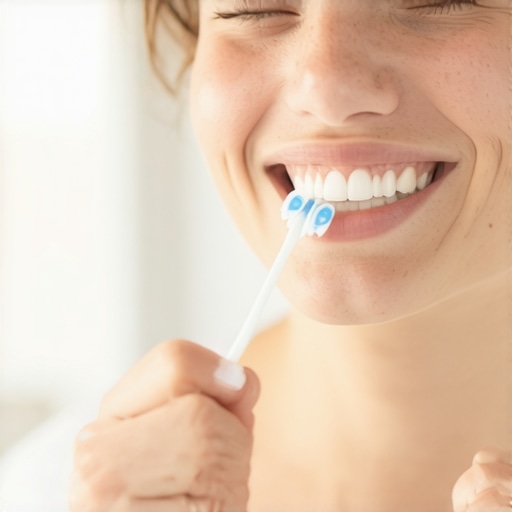
Implementing these steps, I managed to reverse early gum problems and gained confidence in my oral health. Remember, consistent action is your best defense against bleeding and gum disease. Stay vigilant and proactive—your mouth will thank you for it.
When it comes to dental implants, cosmetic dentistry, veneers, and family dental care, many patients hold misconceptions that can undermine their treatment outcomes. Let’s dig deeper into some of these common myths and unveil the nuances that only dental professionals truly understand. For instance, a prevalent belief is that all dental implants are the same, but recent innovations, such as those discussed in [cutting-edge implant techniques](https://straightsmileortho.com/the-future-of-dental-implants-cutting-edge-techniques-in-cosmetic-dentistry), have dramatically improved patient comfort and durability. Overlooking these advancements can lead to choosing outdated methods that may underperform or cause complications. A critical mistake many make is assuming veneers are forever; in reality, they require maintenance and sometimes replacement, especially if the underlying enamel isn’t properly preserved—something studied extensively in [veneers transformation tips](https://straightsmileortho.com/veneers-transformation-unlocking-your-best-smile-yet). Furthermore, a common misconception in family dentistry is that regular cleaning alone keeps periodontal issues at bay. However, understanding the early signs of gum disease and systemic links, such as diabetes, is essential, as highlighted in [family dentistry tips](https://straightsmileortho.com/family-dentistry-tips-for-a-lifetime-of-healthy-smiles). One advanced trap to avoid is selecting a provider based solely on affordability without considering their expertise in the latest technologies. For example, choosing a clinic with access to [3D imaging for implant placement](https://straightsmileortho.com/how-we-use-3d-imaging-to-place-implants-without-manual-guesswork) can significantly enhance success rates. So, what’s the real difference between seemingly similar procedures? It often lies in the materials used, the technique employed, and the clinician’s experience—details that can affect longevity, aesthetics, and overall health. Understanding these nuances helps ensure you receive the best care suited to your unique needs. Have you ever fallen into this trap? Let me know in the comments what misconceptions you’ve encountered or avoided.Maintaining a beautiful and functional smile requires more than just good brushing and regular check-ups. Having the right tools and methods in your dental care arsenal is crucial for long-term success. From advanced cleaning devices to innovative software, I’ve found that specific choices make a significant difference in preserving the results of cosmetic dentistry, veneers, dental implants, and family dental work.
### How do I keep my dental work in top shape as years pass?
First, investing in a quality electric toothbrush like the Oral-B Genius X has transformed my daily cleaning routine. Its oscillating-rotating technology ensures deeper plaque removal, especially in hard-to-reach areas around veneers and implants. Plus, its built-in timers help maintain optimal brushing duration, which is essential for preventing gum issues that could jeopardize long-term results.
Secondly, I recommend incorporating water flossers, such as the Waterpik Aquarius, into your daily routine. They’re gentle yet effective in removing debris and plaque from around orthodontic appliances, veneers, and crowns, reducing the risk of periodontal problems that can cause recession over time.
Beyond physical tools, leveraging modern software can help monitor your oral health progress. Some dental practices now offer patient portals with imaging and tracking features. Regularly reviewing your images with your dentist allows you to catch early signs of wear, cracking, or decay. As advancements like 3D imaging continue to evolve, they provide unprecedented precision in assessing the integrity of your restorations—ensuring you catch issues before they escalate.
### The horizon of dental care technology points toward AI-driven diagnostics and personalized maintenance plans, which could revolutionize how we sustain our dental investments. Incorporating these innovations can help extend the lifespan of veneers and implants, and ensure your family’s oral health remains optimal.
To stay on top of your oral health, schedule routine professional assessments and ask your dentist about the latest tools tailored to your specific needs. For example, if you’re considering long-term veneer maintenance, explore options like polishing and bonding touch-ups that can make your smile look perfect for decades. Also, be proactive about replacing worn-out components, such as seals or adhesives, since early intervention is always more manageable.
Don’t forget that understanding the unique requirements of each dental procedure helps you choose the best maintenance routine. For instance, dental implants benefit from specific care protocols, including the use of specialized cleaning tools to prevent peri-implantitis. Emerging technologies like [3D imaging](https://straightsmileortho.com/how-we-use-3d-imaging-to-place-implants-without-manual-guesswork) allow your dentist to tailor interventions precisely—maximizing longevity.
Ultimately, the secret to long-lasting dental perfection lies in combining high-quality tools with informed practices. Try integrating an electric toothbrush with a water flosser, and regularly consult your dental team about new innovations. Staying proactive today ensures your smile remains radiant and healthy well into the future.
Lessons That Only Experience Teaches
One of the hardest lessons I learned about dental implants and veneers is that perfection doesn’t happen overnight. Patience and meticulous care are essential, especially when embracing advanced treatments like those discussed in cutting-edge implant techniques. I also realized that myths about family dentistry, such as it being only for children, can prevent many adults from seeking necessary care, emphasizing the importance of continuous professional guidance from trusted sources like family dentistry tips. Lastly, I discovered that understanding the materials used in veneers deeply affects their longevity; relying solely on aesthetics without considering durability can be a costly mistake, which is why consulting comprehensive guides like Veneers Transformation has been invaluable.
Tools That Made Me Love My Dental Care
My essential toolkit for maintaining dental implants and veneers includes a high-quality electric toothbrush like the 3D imaging-powered toothbrush, which ensures thorough cleaning. I also swear by water flossers such as the Waterpik Aquarius, which reach areas that traditional floss misses, especially around crowns and bridges. For tracking progress and catching subtle changes early, utilizing patient portal apps linked to my dental team has been a game-changer, allowing me to view 3D imaging assessments and upcoming treatments. Investing in these tools has given me confidence that my smile stays healthy and radiant for years to come.
Your Next Smile Step Starts Here
Your journey toward a healthier, more confident smile isn’t just about the procedures—it’s about changing your mindset and routines. Embrace regular visits, stay informed about the latest advancements like dental implant innovations, and never hesitate to ask your dental provider about new technologies tailored for your needs. Remember, your smile is a reflection of your overall health; treat it with the care and enthusiasm it deserves, and it will reward you with years of confidence and joy. So, what’s your next move in mastering your dental health? Share your thoughts below—I’d love to hear your story.