It was a quick morning bite into an icy apple that made my jaw jolt and my teeth scream in protest. For days, I wondered if this sharp twinge indicated a lurking cavity or was just another case of receding gums. That lightbulb moment—realizing I couldn’t tell the difference on my own—made me realize how confusing and even frightening it can be to face dental sensitivities. Has that happened to you too?
Deciphering the Mystery of Tooth Sensitivity
Many people brush off tooth sensitivity as just a minor annoyance, but it can be a sign of something more serious or, surprisingly, something benign. Understanding whether your discomfort comes from a cavity or receding gums is vital for proper treatment. Early mistakes, like ignoring persistent pain or assuming it’s nothing, can lead to more extensive dental issues down the line. As I learned early on, misjudging the cause can turn a small problem into a costly dilemma. That’s why it’s essential to educate yourself about the subtle clues that differentiate these conditions.
Is Tooth Sensitivity Actually Worth the Hype?
At first, I thought my sensitivity was just a fluke—maybe I used a harsh toothpaste or ate something too hot or cold. Turns out, ignoring it was a mistake. Studies show that untreated cavities can quickly progress into root infections, while receding gums, if caught early, are manageable with proper dental care. If you’re like me, you might think, “It’s just sensitivity,” but the reality is, it could be a warning sign. Early missteps—like not consulting a professional—can cost you dearly. Trust me, I learned the hard way, and I don’t want you to make the same mistake. Instead, arm yourself with knowledge about what might be causing your pain, so you can address it correctly when it matters most. Ready to learn how to tell the difference? Let’s dive in.
Identify the Source of Your Discomfort
Start by observing when the pain occurs. Does it happen when consuming hot, cold, or sweet foods, or is it persistent even without stimulation? I remembered a time when I noticed sharp pain after drinking ice water, which led me to suspect a cavity. Keeping a detailed diary of your triggers helps in narrowing down the cause.
Perform a Gentle Self-Examination
Use a mirror and a good light to inspect your teeth. Look for visible signs like cavities—dark spots or holes—or gum recession, which exposes more of the tooth root. Be cautious to avoid causing further damage. During my check, I noticed my gum line was slightly pulled back, hinting at receding gums. This step is akin to a mechanic visually inspecting an engine for leaks or wear—simple but informative.
Test for Sensitivity with Controlled Pressure
Apply gentle, consistent pressure on the suspected area using your clean finger or a dental probe. If possible, test different teeth to compare sensations. I gently tapped my molar with a clean tool; if the pain was sharper than other teeth, it suggested a localized issue like decay. Think of this like testing a piece of fruit for ripeness—subtle differences reveal underlying problems.
Evaluate Your Oral Hygiene Habits
Assess if your brushing or flossing routines might contribute to your symptoms. Over-aggressive brushing can cause gum recession, leading to sensitivity. I realized I had been scrubbing a bit too hard, which could be why my gums appeared receded. Adjusting technique is similar to a musician tuning an instrument—small changes can vastly improve the outcome.
Consult a Dental Professional for Accurate Diagnosis
If uncertainty persists, schedule an appointment with your dentist. They may perform tests like the Explorer Test or X-rays, similar to a mechanic using diagnostic tools to locate hidden issues. My experience taught me that professional evaluation is crucial—what looks minor may be more significant upon closer inspection. Visit this page to find a trusted specialist near you.
Distinguishing Cavities from Receding Gums
Remember, cavities typically cause localized pain without gum recession signs, while exposed roots due to gum recession often produce sensitivity at the gum line. For a visual comparison, consider reviewing this resource on restorative options, which also discusses how different issues affect the smile.
Many individuals assume that opting for dental implants or veneers is a straightforward process—simply a matter of replacing or improving teeth. However, misconceptions abound when it comes to these advanced procedures. One common myth is that dental implants are permanent and failure-proof. In reality, while they boast high success rates, neglecting proper maintenance can lead to bone loss or loosening over time—a nuance often overlooked by patients. Additionally, some believe that veneers cover any dental flaw instantly; but in truth, they require healthy enamel to bond correctly, and over-preparing teeth can weaken structure and cause long-term issues.
What advanced mistakes do people often make with cosmetic dentistry?
For instance, choosing the cheapest veneer option without considering material quality can result in a fake-looking smile or durability problems. Experts emphasize that understanding the difference between porcelain veneers and crowns is crucial, as each serves specific functions; misapplication can compromise aesthetics and function. Furthermore, many underestimate the importance of comprehensive planning—skipping detailed consultations can lead to mismatched shades or misaligned teeth. A study in the *Journal of Esthetic & Restorative Dentistry* (2020) highlights that proper assessment and personalized treatment plans significantly enhance long-term satisfaction.
Another hidden nuance involves the risks associated with family dentistry procedures, like routine cleanings or fillings. Contrary to the belief that these are minor, improper technique or neglecting infections can lead to periodontitis or secondary cavities. For example, unprofessional scaling might damage gums or leave plaque behind, escalating problems.
Ultimately, understanding these subtle yet critical details helps prevent costly re-treatments and ensures long-lasting, natural results. Always seek experienced professionals who prioritize thorough diagnostics and personalized care. Do you know the importance of choosing a dentist who specializes in cosmetic and family dentistry? Read more about it on the family dentistry tips page.
Have you ever fallen into this trap? Let me know in the comments!
Maintaining your dental work requires precision, the right tools, and a routine that ensures longevity. As someone who values durability and effectiveness, I personally rely on a combination of high-quality equipment and proven methods to keep my smile in top shape. Let’s explore the essential tools and techniques I recommend for keeping your dental enhancements working for years.
Invest in a Smart Electric Toothbrush
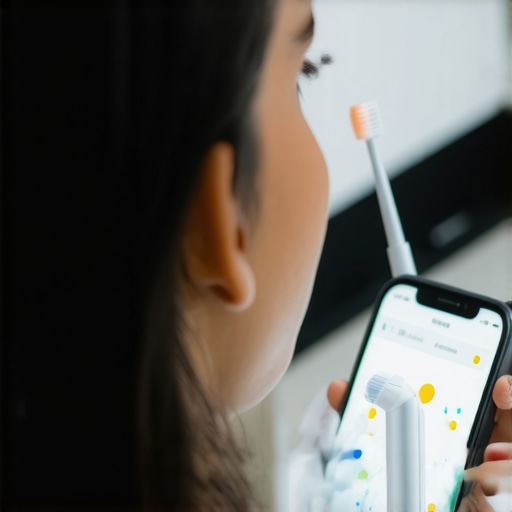
Nothing beats a good electric toothbrush with a timer and pressure sensor. I use the Oral-B Genius X because its oscillating-rotating action effectively removes plaque without damaging delicate restorations like veneers or crowns. The built-in pressure sensor prevents overbrushing, which can undermine cement bonds and cause recession. Using a device with Bluetooth connectivity, I sync it with my smartphone, so I get real-time feedback and track my brushing habits, ensuring consistent, gentle care—key to extending the lifespan of restorations.
Utilize Specialized Flossing Tools
Regular flossing isn’t enough when maintaining crowns, bridges, or veneers. I prefer the Super Floss because its stiff end allows for easy threading under bridges, while the spongy section gently cleans around veneers without dislodging them. Proper cleaning prevents plaque buildup and decay at the margins, which are common points of failure. Investing in a water flosser like the Waterpik Ultra has also made a significant difference in reducing gum inflammation and removing debris hard to reach with traditional floss.
Apply Gentle Polishing Techniques at Home
Professional polishing extends the life of your restorations by removing surface stains and smoothening rough edges. At home, I use a silicone polishing cup attached to a low-speed rotary tool to perform a light polish after brushing. This method simulates my dentist’s cleanings, keeping my veneers gleaming and reducing surface abrasions that can lead to staining or microfractures, which compromise their integrity.
Incorporate Digital Monitoring Software
Emerging technology now offers apps that sync with dental devices to monitor your oral health. I use some of these apps to receive reminders for replacing toothbrush heads, scheduling cleanings, or tracking gum health status. Digital tracking fosters accountability, especially during long-term routines, and helps catch issues early—preventing costly repairs down the line.
How do I maintain dental work over time?
Regular professional checkups are crucial. I schedule biannual dental visits where my dentist evaluates the integrity of my veneers and crowns, performs professional cleanings, and uses diagnostic tools like 3D imaging for comprehensive assessments. Combining these visits with my personal toolset ensures I stay ahead of potential issues, preserving the aesthetics and function of my smile.
Looking ahead, I predict that advancements in AI-driven dental monitoring and improved restorative materials will make maintenance even more effective and less invasive. For now, integrating trusted tools like electric toothbrushes, specialized flossers, and monitoring apps with professional care offers the best path toward lasting dental health.
If you’re serious about prolonging the life of your cosmetic or restorative dentistry, I highly recommend trying out a high-quality electric toothbrush with smart features and pairing it with targeted flossing tools. Your future self will thank you for the investment!
In my journey through dental enhancements, I stumbled upon lessons that no brochure or consultation revealed. One revelation was understanding how essential ongoing maintenance is—not just the initial procedure—yet so many overlook this once the spotlight shifts to a new smile. I learned that the biggest risks aren’t from the technology itself, but from neglecting tiny details, like proper cleaning routines and mindful habits, which can silently undermine years of work. Another lightbulb moment: choosing an experienced, specialized professional makes all the difference—skimping on expertise can lead to costly regrets. Finally, I realized that educating yourself about your specific dental makeover empowers better decisions and longer-lasting results—it’s about being an active participant in your smile’s future. These deep insights changed my approach entirely, and I hope they guide you toward smarter, more confident choices in your transformation.