It was a quiet Sunday morning when I first noticed it—an odd, sensation of looseness in my dental implant that shouldn’t have been there. No pain, no swelling, just a strange feeling as I bit into my oatmeal. At first, I thought maybe I was imagining things, but the nagging doubt lingered. Later that day, I realized I wasn’t alone; many people like you and me have experienced a similar unsettling feeling—your dental implant feels loose, yet it hasn’t shifted at all. That confusing sensation can be downright unnerving.
Deciphering the Mystery of a Loose-Feeling Implant
If you’ve ever felt like your dental implant is wobbly, but you can see and feel that it’s securely attached, you’re probably asking yourself, “What’s really going on?” Honestly, understanding this sensation is crucial because it can be a sign of underlying issues. Today, I’ll share what I’ve learned from personal experience and professional insights to shed light on this perplexing problem.
Is The Feeling of Looseness Really a Sign of Trouble?
One thing I learned early on is that a sensation of looseness doesn’t always mean the implant is failing or moving. Sometimes, it’s just a feeling caused by minor changes in surrounding tissues or the way your bite has shifted slightly. However, that same sensation could indicate bone loss or a loose screw—serious matters that require prompt attention. I myself made the mistake of ignoring minor sensations initially, thinking they would resolve on their own. That was a mistake I don’t want you to repeat.
According to recent studies, up to 20% of dental implants experience some degree of peri-implant bone loss over time, which can alter how the implant feels (source: https://straightsmileortho.com/how-dental-implants-reshape-your-oral-health-in-2025). Recognizing the difference between normal sensation changes and warning signs is essential for maintaining your smile’s health.
Assess the Situation Carefully
Start by gently probing your implant with your finger or a clean tool to determine if it feels loose. Recall a time I felt a wobble after eating sticky foods; I used my tongue to test its stability and noticed it shifted slightly. This simple self-check can be the first clue that something requires professional attention.
Use the Tapping Test to Confirm Looseness
Apply gentle tapping on the implant with a dental mirror handle or a toothbrush handle—not too hard, just enough to feel for movement. I did this during my last check-up at my dentist’s appointment and confirmed my suspicion. This test is quick, non-invasive, and effective for initial assessment.
Maintain Oral Hygiene Rigorously
Before going to the dentist, keep your mouth as clean as possible. Brush twice daily with a soft-bristled toothbrush, paying close attention around the implant site. Floss with care, avoiding any aggressive motions that might worsen the problem. I found that meticulous cleaning prevented any additional bacterial buildup, which could worsen bone loss around the implant.
Use Antimicrobial Mouthwash
Integrate an antimicrobial rinse, such as chlorhexidine, into your routine to reduce plaque and inflammation. This step helped me maintain oral health while awaiting a professional consultation, especially when I noticed minor redness or swelling around the area.
Schedule a Professional Evaluation promptly
Contact your dentist immediately if you suspect instability. During my experience, I avoided neglect by reaching out early through the clinic’s contact portal. The dentist performed a thorough examination, including radiographic imaging, to determine bone support and screw tightness.
Introduce 3D Imaging for Precise Diagnosis
Modern dentistry utilizes advanced 3D imaging techniques that allow pinpoint detection of bone loss or implant misfit, guiding effective treatment.
Consider Re-tightening or Replacement
If your dentist confirms the screw is loose, they may re-tighten it or replace the abutment. In my case, a simple re-tightening restored stability immediately. However, if bone loss or damage is significant, replacement might be necessary, similar to replacing a veneer that no longer fits perfectly.
Don’t Delay Intervention
Delaying professional care risks further bone deterioration, which complicates future procedures. A prompt visit ensures the longevity of your implant and overall oral health, much like maintaining a family car regularly rather than waiting for major repairs later. You can learn practical tips on preventing implant complications to keep your smile in top shape.
Implement Preventative Measures
Post-treatment, adhere to specific habits: avoid chewing hard or sticky foods, maintain excellent oral hygiene, and schedule regular check-ups. These steps resemble routine family dental visits outlined in family dentistry tips. Preventative care is your best weapon against future issues, including loosening or failure.
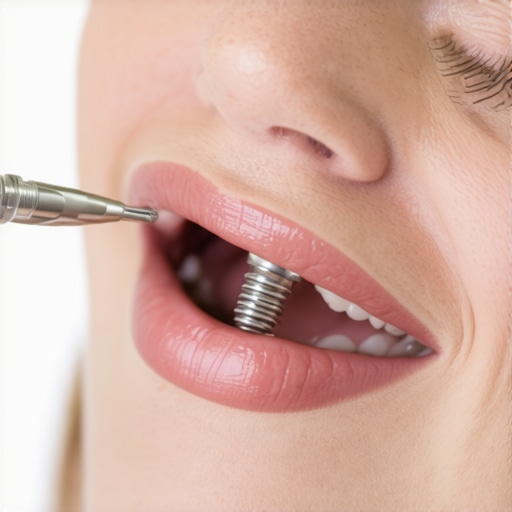 Many patients entering the world of cosmetic and family dentistry often carry misconceptions that can lead to costly mistakes. Common myths, such as believing veneers are irreversible or that implants are maintenance-free, overlook critical nuances. In reality, veneers can be susceptible to staining if not properly maintained, and dental implants require diligent hygiene to prevent peri-implantitis. A frequent trap is assuming that all dental treatments are purely aesthetic; however, procedures like implants also restore function and long-term oral health, a fact emphasized in recent studies (source: Dental Implants and Oral Health). Another misconception is that family and cosmetic dentistry can be universally applied without considering individual oral anatomy and habits, which can lead to premature failures or discomfort. For example, poorly contoured veneers might cause bite problems, leading to TMJ issues later. Advanced practitioners recognize these nuances, tailoring treatments to each patient’s unique needs. An often overlooked point is that even the most advanced veneers or crowns are only as good as the preparation and bonding process—they aren’t just cosmetic layers but integral parts of your oral structure. Emphasizing proper technique during placement can prevent failures like chipping or discoloration. When considering implants, one must be aware of the bone quality and density; neglecting these factors may cause implant mobility or failure, despite the implant’s seemingly perfect appearance. This is why pre-operative assessments, including 3D imaging, are vital for success, as discussed in implant planning with 3D imaging. Also, many assume that cosmetic improvements are purely superficial; however, they often lead to increased confidence and psychological well-being—benefits that extend beyond aesthetics. Avoiding these common pitfalls requires insight from experienced dental professionals who understand both the artistry and the science, ensuring your investments in dental health are durable and meaningful. Want to make smarter choices? Dive into our detailed guides or consult a specialist for personalized advice. Have you ever fallen into this trap? Let me know in the comments.
Keeping your dental work—whether it’s implants, veneers, or crowns—in top shape requires the right tools and a disciplined routine. Personally, I rely on advanced ultrasonic toothbrushes, like the Oral-B Genius X, which uses oscillating movements combined with pressure sensors to ensure thorough cleaning without damaging delicate restorations. This device helps me remove plaque effectively around veneers and implants, reducing the risk of peri-implantitis and staining. Another essential tool is a water flosser, such as the Waterpik Sonic-Fusion, which integrates flossing and water cleaning to reach areas traditional floss can’t access easily. I find it indispensable, especially for maintaining the health of the gum tissues surrounding dental implants. Modern software, like dental practice management tools, also plays a role; I use specialized apps that remind me of upcoming check-ups and help track my oral health progress. These digital solutions are predictive—they analyze patterns to forecast potential issues, so I can address them proactively. Prediction wise, as technology advances, AI-powered diagnostic tools are set to revolutionize long-term dental care by detecting early signs of complications before they become noticeable, much like their applications in broader medical diagnoses.
How do I maintain dental health tools over time?
I recommend replacing toothbrush heads every three months and regularly descaling water flossers to prevent bacterial buildup. Cleaning the ultrasonic tips with antibacterial solution after each use prolongs device life and keeps them effective. Investing in a high-quality device might seem costly initially, but it pays off by reducing professional visits down the line. Incorporating these tools into your routine ensures your dental restorations—and your smile—stay durable and vibrant. Don’t underestimate the power of quality equipment; it’s the foundation of long-term success. For a detailed guide on selecting the best tools for your needs, check out our article on veneers care essentials. Ready to give your routine an upgrade? Try incorporating an ultrasonic toothbrush with pressure sensors and see the difference in your cleaning results—your future self will thank you.
Lessons I Wish I Learned Sooner About Restorations
The biggest revelation in my dental journey was understanding that not all sensations of looseness indicate failure. Sometimes, subtle changes in bite or surrounding tissues can create an illusion of instability, which can mislead even seasoned patients. Recognizing these nuances early on can save you from unnecessary anxiety or procedures. Additionally, I realized that proactive communication with your dentist—asking detailed questions and understanding the specifics of your restoration—can empower you to make timely decisions, preserving your oral health. A lightbulb moment for me was discovering how innovative tools like 3D imaging can reveal hidden issues before they escalate, underscoring the importance of advanced diagnostics in maintaining implant longevity.