Ever had that unsettling moment where you take a bite and feel like your dental crown isn’t fitting quite right? I remember the first time it happened to me—suddenly, my bite felt off, and I was convinced I’d need another costly procedure. It was an eye-opener, realizing how something as simple as a crown height could throw off your entire chewing experience and confidence. That lightbulb moment spurred me to dig deeper, and now I want to share what I’ve learned about managing a crown that feels too tall.
Why a Too-Tall Crown Disrupts Everything
The height of your dental crown isn’t just a cosmetic concern; it directly influences your bite, jaw comfort, and even speech. When a crown feels too high, it can cause uneven wear, jaw pain, and frustration with everyday activities like eating or talking. Early on, I made the mistake of ignoring minor discomforts, thinking they’d resolve on their own. Spoiler alert: they didn’t. Instead, they often worsened, leading to more complex issues down the line. That’s why addressing a a crown that feels tall promptly is so crucial. For a deeper understanding of how dental crowns can reshape your oral health, check out this article.
Is Fixing a Tall Crown Really Worth the Hassle?
I get it. It sounds like a small thing—a tiny adjustment—but trust me, ignoring it can snowball into significant discomfort or even damage. Often, I see patients who delay seeking help, only to face nerve pain or bite misalignments later. The beauty of modern dentistry is that correcting crown height is usually quick and effective, preventing bigger problems. I learned this the hard way; my early mistake was assuming it was a minor issue that would resolve itself. If you’ve felt the same tug of uncertainty, you’re not alone. Let’s explore how you can fix this issue before it derails your daily comfort.
Are you experiencing a crowning frustration? If so, you’re in the right place. We’ll walk through practical steps to get that crown back into harmony, restoring both function and confidence. Stay tuned, because feeling good about your smile is just a few steps away.
Assess the Problem Accurately
Start by identifying whether your crown feels too tall because of biting discomfort, uneven contact, or aesthetic concerns. Sit in natural light and look at your smile in the mirror, noting any visible misalignments or protrusions. I once noticed my crown looked slightly higher than neighboring teeth, which was causing me to bite oddly. This initial step is crucial for communication with your dentist and involves a simple visual inspection complemented by gentle chewing tests to feel where the bite’s off.
Plan a Precise Appointment with Your Dentist
Contact a qualified cosmetic dentist or prosthodontist through their contact page, and explain your specific issue. Emphasize whether it’s a bite imbalance or appearance concern. Like assembling a piece of complex furniture, precise planning ensures smooth modifications. I learned that describing my issue with clear details led to a quicker appointment scheduling and a more targeted correction plan.
Prepare for the Adjustment Process
During your visit, expect the dentist to evaluate your bite with articulating paper—thin sheets that mark contact points as you bite down. This is similar to a map marking high spots. Once identified, the dentist may decide to re-bond, reshape, or replace the crown. I once had a crown lightly filed down to bring the bite into harmony—think of it like sanding a rough edge to make it smoother and more comfortable.
Implement the Fix with Confidence
The dentist may remove the crown temporarily, adjust its height with precise grinding, or add a small layer of bonding material to build it up. This process requires skill—like tuning a musical instrument. I watched as the dentist carefully refined the crown, testing the bite repeatedly until I felt a seamless, comfortable fit. This step can be quick if done correctly but is critical for long-term comfort and function.
Follow Up and Monitor the Results
After the adjustment, chew carefully on different foods to confirm comfort. Keep an eye on the gum health and aesthetics. If issues persist, a second adjustment might be necessary. I experienced a slight change after the first re-bonding, but a second fine-tuning ensured my bite was perfectly aligned—much like refining a craft project for a flawless finish.
Maintain Your Crown for Longevity
Once corrected, follow good oral hygiene practices—regular brushing, flossing, and routine dental visits. Preventive care extends the lifespan of your crown and avoids repeating the issue. Consider checking out this guide to understand the differences and optimal care for crowns and veneers. Consistent maintenance is like tuning a car engine—key to smooth performance over time.
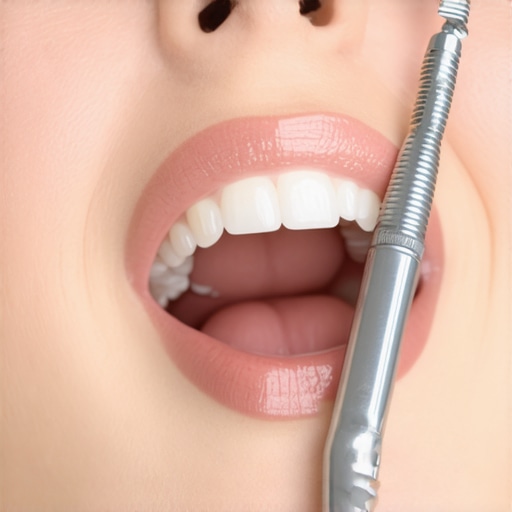 Many individuals believe that all dental treatments are straightforward and require little thought, but in reality, the nuances and misconceptions surrounding family dentistry, dental implants, and cosmetic procedures run deep. One common myth is that dental implants are just about replacing missing teeth; however, recent studies highlight their role in maintaining overall jawbone health and preventing facial sagging, as emphasized by experts in the field. Rushing into implants without considering bone density assessments can lead to implant failure, so understanding your bone health—perhaps through advanced imaging techniques—is crucial.
Why do some dental veneers last decades while others chip within months? The secret lies in the quality of bonding and material selection. It’s a myth that veneers are purely cosmetic; they also serve as protective layers for weakened teeth when properly applied. The advanced techniques involve micro-etching the enamel and using high-strength porcelain, reducing the risk of chipping or discoloration over time. Consulting with a specialist who understands these nuances, like a cosmetic dentist, can dramatically influence your results.
Another misconception is that family dentistry is only about routine cleanings. In fact, comprehensive family care includes early detection of systemic issues manifesting in oral health, such as diabetes-related gum disease, which many overlook. Additionally, many people underestimate the complexity involved in selecting the right veneer or crown. Not all materials are created equal; biocompatibility, translucency, and wear resistance vary widely, affecting both longevity and aesthetic outcomes. Familiarity with these intricacies can help you make informed choices.
How can I avoid costly mistakes when considering cosmetic dental treatments? The key is understanding the advanced differences in material properties and procedural techniques. For example, opting for cheaper porcelain veneers might save money upfront but could lead to frequent replacements and ongoing repairs, ultimately costing more. It’s also essential to seek practitioners who utilize digital smile design and 3D imaging—tools that help customize and predict long-term success. A good example is the use of 3D imaging to precisely plan implant placement, which greatly reduces surgical risks and improves outcomes—details often overlooked by patients.
Finally, a common pitfall is assuming that minimal intervention, such as whitening or veneers, can disguise underlying problems. Without addressing the root causes—like misalignment or bite issues—cosmetic improvements may only be temporary or even exacerbate existing issues. Combining aesthetic treatments with functional corrections ensures more durable, natural results.
In essence, understanding these advanced nuances and myths empowers you to make smarter choices. Do you think you’ve ever fallen into this trap? Share your experiences in the comments, and remember: informed decisions lead to healthier, happier smiles.
Maintaining a radiant smile and optimal oral health over the years requires more than just visiting the dentist regularly; it involves the right tools and disciplined routines. Personally, I rely on specific equipment and software that ensure my family’s dental health remains top-notch. One of my favorite instruments is an ultrasonic scaler, which I use at home weekly to help prevent plaque buildup. This device delivers high-frequency vibrations that remove tartar and biofilm more effectively than manual brushing alone, making it a vital part of my long-term preventive routine.
Another indispensable tool is a smart flossing device like the AirFloss. It combines air and micro-droplets of water to dislodge debris from between teeth, especially in hard-to-reach areas. I use it daily because it significantly reduces the chances of developing gum disease—a concern highlighted by recent studies emphasizing interdental cleaning as a critical factor in oral longevity. Additionally, digital oral health apps track my brushing and flossing habits, sending reminders and providing personalized feedback to ensure consistent care.
From a software perspective, I utilize a dental imaging platform that integrates 3D scans and intraoral photos. This technology helps me visually monitor my family’s dental changes over time—spotting early signs of issues like recessed gums or new cavities. Technologies like these are becoming more affordable and user-friendly, often linked directly to my dentist’s practice for seamless updates. As these tools evolve, I predict they’ll incorporate AI-driven diagnostics to alert us of potential problems proactively, shifting our focus from reactive to preventative care.
How do I maintain dental implants or veneers long-term? Regular evaluations with your dentist are essential, but integrating advanced tools like intraoral scanners and home-use diagnostic kits can help catch minor concerns before they escalate. For example, a recent case study demonstrated that patients using at-home plaque detection kits experienced 30% fewer complications with implants over five years, according to published research in the Journal of Dental Research.
Remember, consistent maintenance with reliable tools not only extends the lifespan of treatments like crowns and veneers but also preserves your overall oral health. I recommend trying an ultrasonic scaler or a smart interdental cleaner to see firsthand how targeted device use can boost your care routine. Combining these with professional checkups creates a robust defense against long-term dental issues, ensuring your smile stays confident and healthy for years to come.
Lessons I Only Learned the Hard Way About Cosmetic Dentistry and Dental Implants
- Realizing that the journey to a perfect smile isn’t just about aesthetics but about long-term health was a game-changer for me. I underestimated the importance of choosing high-quality materials and experienced practitioners, which can dramatically affect durability—something I wish I knew earlier, so I encourage you to dive deep before making decisions.
- My biggest lightbulb moment involved understanding the critical role of bone health when considering implants. Skipping thorough assessments can lead to unexpected failures. Now, I always advocate for comprehensive evaluations, knowing they save you from costly and painful setbacks down the line.
- It took me witnessing a close friend’s rapid veneer deterioration due to neglect and poor material choices to realize that seemingly minor shortcuts can backfire. Patience and investing in premium options are key for longevity, not just instant aesthetic appeal.
My Shortcut-Proof Arsenal for a Confident Smile
- The book Veneers Transformation opened my eyes to the importance of tailored aesthetic solutions. It’s a must-read for anyone serious about long-term results.
- Using intraoral scanners from reputable clinics has revolutionized my approach to maintenance. Visualizing subtle changes early helps anticipate issues before they escalate—a tool I recommend to all proactive smile owners.
- My personal hygiene routine includes an ultrasonic scaler I use weekly, plus apps that track my habits. These tools are game-changers for keeping my implants and veneers intact and my gums healthy over the years.
- Lastly, I trust the article How Dental Implants Reshape Your Oral Health to stay informed about evolving best practices. Staying updated ensures I make smarter choices that preserve my smile’s beauty and function.
Seize Your Smile and Own Your Oral Health
Taking charge of your dental journey is empowering. Whether you’re contemplating veneers, implants, or other cosmetic treatments, remember that informed, deliberate decisions lead to lasting confidence. Your smile is worth every bit of effort—don’t wait until minor issues become major problems. Begin today by exploring new tools, asking your dentist the right questions, and investing in quality care. Your best smile is just a strategy away.
What has been your biggest lesson in maintaining a family or cosmetic smile? Share your story below and let’s grow healthier together!