It was the night I realized something was seriously wrong after my wisdom tooth removal. The pain was unlike anything I had experienced before—intense, throbbing, and unrelenting. I had thought I was healing smoothly, but suddenly, my comfortable recovery turned into a nightmare. That moment was a lightbulb for me—I was on the verge of developing a dry socket, a complication many overlook or mistake for regular discomfort.
Why Recognizing a Dry Socket Early Can Save You Heartache
Understanding the warning signs of a dry socket is crucial. If neglected, it can lead to prolonged pain, infection, and slow healing. As someone who’s been there, I promise that spotting the signs early can make all the difference. Today, we’ll explore the four key indicators that your healing process might be taking a wrong turn—so you can act quickly and get the relief you deserve.
Could This Be More Than Just Normal Pain?
One mistake I made early on was dismissing persistent pain as just part of the healing process. While some discomfort is expected, especially in the first few days, constant, worsening pain, especially when exposed to certain triggers like food or cold air, is a red flag. A true dry socket often manifests with a foul taste or odor—something I didn’t realize at first. Ignoring these signs can delay treatment, so it’s important to stay alert. If you’re concerned, don’t hesitate to reach out to your dentist or oral surgeon—proper care is essential, and timely intervention can prevent complications.
In the upcoming sections, we’ll delve into these indicators in detail and discuss practical steps you can take if you suspect a dry socket. Remember, awareness is your first line of defense. Have you noticed any of these signs after your extraction? If so, you’re not alone, and there’s help available. To learn more about ensuring your dental health remains on the right track, consider visiting our contact page for professional guidance.
Act Quickly When You Suspect a Dry Socket
When you notice persistent, worsening pain after extraction, especially if it radiates to your ear or jaw, it’s time to take action. First, rinse your mouth gently with warm salt water several times a day to keep the area clean, which can help prevent infection. If pain persists or worsens, avoid trying to self-medicate extensively. Instead, contact your dentist promptly at our clinic to schedule an evaluation. Immediate professional care can prevent complications.
Apply the Right Self-Care Techniques
Use Clove Oil for Natural Relief
Clove oil has natural analgesic and antiseptic properties. Dab a small amount onto a clean cotton swab and gently apply it to the dry socket area to numb the pain temporarily. I did this once when my pain was unbearable and, while it didn’t cure the problem, it bought me valuable relief until I saw my dentist.
Manage Swelling with Cold Compresses
Applying an ice pack wrapped in a cloth to your cheek for 15-minute intervals helps reduce swelling and dull pain. Be cautious not to apply ice directly to the skin. When I experienced swelling, using cold packs reduced the inflammation significantly, making the discomfort more manageable.
Maintain Oral Hygiene with Care
Gently brush your teeth, avoiding the extraction site, and avoid rinsing vigorously. Use a prescribed antimicrobial mouthwash if your dentist recommends it to keep bacteria at bay, helping prevent infection. Observing proper hygiene habits was crucial during my recovery; neglecting this can worsen the situation.
Watch For Warning Signs of Infection
If you notice increasing redness, swelling, pus, or a fever, these could indicate infection requiring urgent care. Do not delay seeking professional help, as infections can rapidly escalate, complicating recovery. During my experience, early detection of signs like foul odor helped me get prompt antibiotics, speeding up my healing process.
Follow Your Dentist’s Advice Rigorously
Your dentist might schedule a follow-up or provide specific instructions—like medicated dressings or antibiotics. Adhering to these recommendations is vital. I learned that neglecting professional guidance often leads to prolonged pain and delayed healing, so always communicate openly about your symptoms.
Understanding these core steps empowers you to act swiftly, possibly saving you from more serious complications. Being proactive and attentive during recovery can turn a distressing experience into a manageable situation, ensuring healing progresses smoothly.
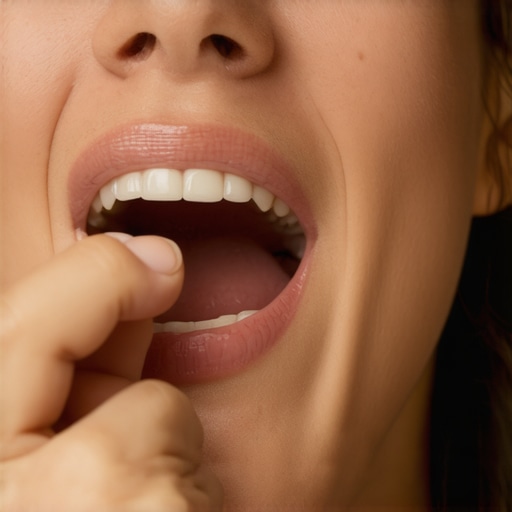
When it comes to dental treatments like implants, veneers, or family dentistry, many people operate under misconceptions that can actually hinder their oral health journey. Let’s dig deeper and uncover some hidden nuances that even seasoned patients might overlook.
Are You Falling for the ‘One-Size-Fits-All’ Philosophy?
A widespread myth is that a specific dental solution suits everyone equally. For instance, many believe that veneers are suitable for all cosmetic concerns, but the reality is more nuanced. The choice between veneers and crowns, for example, should be based on individual bite dynamics and tooth structure—something I see overlooked often. Consulting a specialist can help determine the optimal approach for your unique smile. For a thorough comparison, check out this detailed guide.
The Hidden Danger of Neglecting Bone Density in Implants
One advanced mistake I’ve observed is underestimating the importance of precise bone assessment before implant placement. Many assume that if the site looks intact, no further evaluation is necessary. However, undetected bone density issues can lead to implant loosening or failure. Using 3D imaging and bone density analysis dramatically increases success rates. According to a study published in the Journal of Oral Implantology, meticulous pre-surgical planning reduces failure rates by up to 30%. So, if you’re considering dental implants, ensure your provider employs comprehensive diagnostics.
Should Family Dentistry Be a One-Time Visit?
Too often, patients think that visiting the dentist once every few years suffices. The truth is, regular family visits—preferably biannual—are essential for early detection of issues like gum recession or decay. Small problems can escalate rapidly, especially in children, where early intervention saves more than just money but also pain. Practical tips for maintaining lifelong oral health can be found in our family dentistry guide.
Now, a common oops is ignoring the subtleties when selecting cosmetic options. For dental veneers, the texture, translucency, and bonding technique can dramatically influence how natural they appear—more than just choosing the whitest shade. Often, patients opt for the brightest options without considering their skin tone or facial features, resulting in an unnatural look. Our veneers transformation article illustrates how nuanced this decision should be.
What Are the Risks of Rushing Cosmetic Procedures?
Impulsive decisions for quick fixes can be costly. For instance, attempting to whiten teeth at home with unverified products may lead to enamel damage or sensitivity—an advanced mistake many unknowingly make. Professional whitening, on the other hand, involves tailored protocols that ensure safety and longevity. Remember, cosmetic dentistry isn’t just about aesthetics; it’s about maintaining the structural integrity and health of your teeth. For secrets to boosting your confidence safely, have a look at our cosmetic dentistry secrets.
In summary, staying informed about these nuanced aspects can dramatically improve your dental outcomes. Have you ever fallen into this trap? Let me know in the comments. Being aware empowers you to discuss treatment options more confidently and avoid common pitfalls that compromise your smile’s health and beauty.
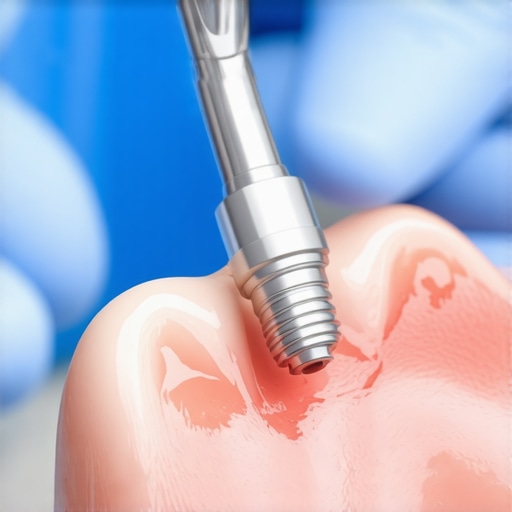
Achieving a stunning smile with dental veneers, implants, or cosmetic procedures is just the beginning—keeping it functioning beautifully over time requires the right tools and consistent maintenance. I personally rely on specific equipment and software to monitor and enhance the longevity of my dental work, ensuring my investments remain pristine for years to come.
Invest in a High-Quality Electric Toothbrush
Not all toothbrushes are created equal. I prefer using a dentist-recommended electric toothbrush with oscillating-rotating technology, like the Oral-B Genius series. The precise brush heads and timers help me clean thoroughly, especially around veneers and implants, where traditional brushing can sometimes miss plaque buildup. Regular, effective brushing prevents plaque accumulation that can cause decay or gum recession, which is critical for long-term success of cosmetic procedures.
Incorporate Water Flossers into Your Routine
Water flossers, such as the Waterpik Sonic-Fusion, are game-changers. They offer superior plaque removal compared to traditional floss, particularly around restorations and tight spaces. I use mine daily, targeting gum lines and ensuring that bacteria don’t get a foothold around my veneers or implant abutments. The precision of water flossers reduces trauma to delicate tissues, making maintenance both effective and gentle.
Leverage Modern Imaging Software for Monitoring
Advanced 3D imaging and intraoral scanning software have revolutionized the way I oversee my dental health. Tools like CEREC or TRIOS digital scanners create detailed 3D models, allowing my dentist to assess the integrity of restorations and detect issues early—before they become major problems. This proactive approach is vital for ongoing maintenance, especially if you have multiple implants or cosmetic work. Regular scans can spot micro-movements or deterioration that might otherwise go unnoticed.
Maintain with a Customized Oral Hygiene Plan
Working with your dental provider to develop a tailored oral hygiene routine is crucial. This includes specific flossing techniques, gentle cleaning around implants, and periodic check-ins. Incorporating personalized advice and professional cleanings aligned with your unique dental work ensures you preserve your investment. For comprehensive guidance, you might find our resource on family dentistry tips helpful.
The Future of Dental Maintenance Looks Bright
Looking ahead, advances like AI-driven diagnostic tools and smart toothbrushes connected via apps will further simplify long-term care. These innovations promise even more precise monitoring, early detection, and personalized care plans—making maintenance easier and more effective than ever before. By embracing these emerging technologies now, you set yourself up for a lifetime of healthy, beautiful smiles.
How do I keep my dental work in top shape over time?
To maintain your smile, combine high-quality tools with regular professional check-ups. Don’t hesitate to ask your dentist about the latest equipment or software that can assist in early detection and ongoing care. For advanced tips on preserving your investment, consider booking a consultation through our contact page. Taking proactive steps today can save you time, money, and discomfort tomorrow—so start incorporating these tools into your routine now and watch your smile, and confidence, thrive.
Lessons That Changed My Perspective on Dental Care
- Never Underestimate Personal Vigilance: I learned that being attentive to even subtle changes in my mouth could prevent minor issues from becoming major problems. Regular self-checks and staying alert to sensations like unusual pain or swelling helped me catch complications early.
- Trust the Process Over Quick Fixes: From my experience, rushing into cosmetic procedures without thorough research or professional guidance can lead to dissatisfaction or setbacks. Patience and choosing experienced specialists have made a huge difference in my results.
- Invest in Quality Tools and Knowledge: Using high-quality toothbrushes, water flossers, and staying informed about emerging technologies empowered me to maintain my dental work effectively. Continuous learning about best practices keeps your smile healthy long-term.
Tools and Resources That Elevated My Smile Maintenance
- Veneers transformation guide: This resource provided insights into personalized aesthetic choices, helping me select options that complemented my features and ensured natural beauty.
- Family dentistry tips: Regular family dental care routines recommended here kept my overall oral health in check and emphasized early detection of potential issues.
- Dental implant insights: Advanced diagnostics and planning advice improved my understanding of implant longevity and success factors, guiding my decisions for long-term stability.
Your Smile’s Future Begins Today
Taking proactive steps in your dental journey can transform anxiety into confidence. Remember, the key to a beautiful, lasting smile is continuous care, informed decisions, and trusting your dental team. You have the power to make choices that preserve and enhance your oral health for years to come. Don’t wait—start implementing these lessons today, and your future self will thank you.
What’s one habit or belief about dental care you’ve questioned or want to improve? Share your thoughts below, and let’s grow together on this journey to a healthier smile.