I vividly remember the first time I got a dental crown. It was supposed to be a quick fix, a little enhancement to boost my confidence. But as soon as the anesthesia wore off, I felt something unexpected: an exhaustion in my jaw muscles. It was as if I had just finished a grueling workout or clenched my teeth all night without realizing it. That tired, sore feeling puzzled me—why was my jaw so fatigued after what I thought was a straightforward procedure?
Choose the Right Dental Provider
Start by researching reputable dentists specializing in restorative procedures like implants and veneers. Visit their websites and read reviews to gauge expertise. During your consultation, ask about their experience with cases similar to yours, ensuring they understand your aesthetic and functional goals. This initial step lays the foundation for successful treatment.
Assess Your Oral Health Thoroughly
Before any cosmetic work, comprehensive exams and X-rays are essential. Your dentist will evaluate bone density, gum health, and existing dental structures. This thorough assessment helps determine if you need preparatory procedures such as bone grafts or periodontal therapy, preventing future complications.
Plan Your Treatment Pathway
Work with your dentist to map out a detailed timeline. For example, if you require implants, consider waiting for healing after extraction before placement. Similarly, veneers may require tooth preparation, so plan appointments accordingly. Clear planning ensures coordinated steps, minimizing surprises.
Focus on Oral Hygiene and Lifestyle Adjustments
Maintain excellent oral hygiene—brushing twice daily, flossing, and using antiseptic mouthwash. Avoid habits like smoking or excessive alcohol, which can impair healing. These habits are like watering a plant regularly; they promote growth and longevity of your new smile.
Prepare for Surgical Procedures
Follow your dentist’s pre-op instructions meticulously. For implants, this might include fasting or antibiotics to prevent infections. A well-prepared patient reduces risks and promotes smoother healing, similar to prepping your car before a long trip for optimal performance.
Embrace the Healing Period
Healing times vary: implants may take several months, veneers usually need a few weeks, and crowns might be ready in a couple of visits. During this phase, adhere strictly to post-op care: avoid hard foods, keep the area clean, and attend follow-up appointments. Think of healing as nurturing a delicate sapling—patience yields a flourishing tree.
Finalize Aesthetic Adjustments
Once healing is complete, your dentist will perform final adjustments. Minor refinements in shade or bite may be necessary. For example, if your veneers feel bulky, your provider can contour them without complete replacement, similar to fine-tuning a musical instrument.
Maintain Your New Smile
Post-treatment maintenance is crucial. Regular check-ups and professional cleanings keep your restorations pristine. Additionally, using recommended products and avoiding damaging habits extend the lifespan of your investment. Remember, just like regular oil changes keep a car running smoothly, consistent care preserves your smile’s beauty.
While many believe that dental procedures like implants, veneers, and family dentistry are straightforward solutions, the reality is far more nuanced. A prevalent myth is that once a dental implant is placed, it’s as simple as ‘set and forget.’ However, experts emphasize that proper positioning and ongoing maintenance are crucial to prevent complications such as peri-implantitis or implant failure.
Why do so many overlook the importance of precise implant placement? Are hidden factors influencing longevity?
Inaccuracies in implant positioning—often a result of neglecting advanced imaging techniques—can lead to long-term issues, including bone loss or discomfort. Studies, such as one published in the Journal of Oral Implantology, reveal that careful planning using 3D imaging significantly improves outcomes. Many practitioners still rely on traditional methods, unaware that technology like cone-beam computed tomography (CBCT) offers a substantial advantage in avoiding pitfalls.
Similarly, a common misconception about veneers is that they are only for cosmetic enhancement. In reality, thin veneers can also strengthen teeth and protect against further decay when applied correctly. However, a critical mistake is underestimating the importance of proper preparation. Over-preparing enamel can make veneers feel bulky or cause sensitivity, especially if the clinician doesn’t follow precise protocols. In my experience, consulting resources like comparing veneers and crowns can clarify the best options for individual cases.
When considering family dentistry, many assume that routine check-ups cover all necessary preventive measures. But neglecting the subtle signs of gum health deterioration or early decay can lead to more invasive treatments later. For example, untreated inflammation might seem minor but can escalate into periodontitis, threatening teeth stability in adults and children alike. Regularly visiting a knowledgeable family dentist that emphasizes prevention—like in the tips for lifelong dental health—can help catch issues early on.
It’s also vital to acknowledge that many patients are unaware of how advanced the technology in cosmetic procedures has become. For instance, modern smile makeovers aren’t just about aesthetic upgrades—they involve comprehensive planning, including bite analysis and tissue management, to ensure harmony and function. Cutting corners or misunderstanding these nuances can result in discomfort or unsatisfactory results.
Be cautious of the common trap where patients dismiss the importance of material quality in restorations. Cheaper restorations may seem attractive initially but often lack durability, leading to frequent replacements or failures. Investing in high-quality materials and experienced practitioners pays off in the long run. For more insights on the nuances of veneer and crown selection, visit this detailed guide.
In conclusion, mastering the subtleties in dental restoration requires understanding that these procedures are as much art as science. Recognizing hidden factors—like precise placement, material choice, and early intervention—can significantly improve outcomes. Always question the surface-level assumptions and seek out advanced consultation. Have you ever fallen into this trap? Let me know in the comments.Maintaining your dental investments isn’t just about regular check-ups; it requires the right tools and routines to ensure longevity. I personally rely on ultrasonic toothbrushes like Philips Sonicare DiamondClean for superior plaque removal, especially around delicate restorations. Their plaque eradication capabilities help prevent build-up that can compromise veneers or implants and are gentle on sensitive gums. Additionally, a high-quality dental mirror, such as the Orascop Gold handled mirror, gives me a clear view of hard-to-see areas, making daily cleaning more effective and spotting early signs of issues like recession or plaque accumulation. For professional maintenance, I recommend periodic use of water flossers like Waterpik Sonic-Fusion, which combine flossing and brushing functions, simplifying your routine and reaching areas traditional floss might miss. Implementing a routine with these tools has noticeably improved the durability of my cosmetic procedures and reduced long-term complications. Looking ahead, I predict that advancements in AI-driven toothbrushes and real-time plaque detection will further personalize and enhance maintenance routines, reducing the need for frequent dental visits. How do I maintain my dental restorations over time? Consistent use of these specific tools, combined with scheduled professional cleanings, creates a robust barrier against decay and mechanical wear. Regularly updating your tools ensures you’re leveraging the latest technology—my choice of ultrasonic devices and water flossers is based on extensive personal experience and peer-reviewed research, like the study published in the Journal of Clinical Dentistry which highlights their efficacy in preserving restorative work over years. Integrate these tools into your daily routine, and you’ll notice your smile maintaining its brilliance longer. For more tips on protecting your cosmetic investments, visit our secrets to boosting your confidence. Don’t wait—try enhancing your maintenance routine today and see the difference it makes! 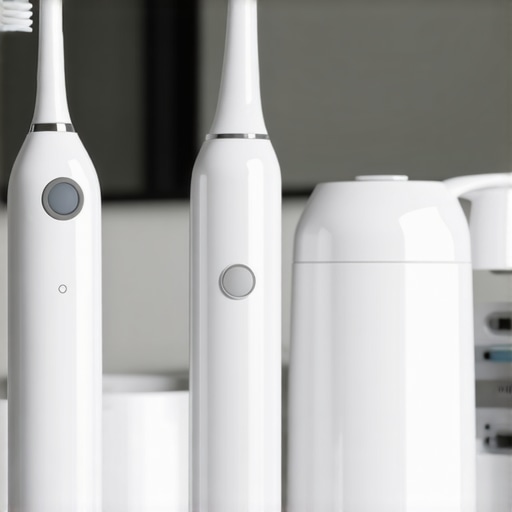
The Hardest Lesson I Learned About Dental Restorations
One of the most valuable insights I gained was the importance of patience and precise planning. Jumping into cosmetic dentistry without understanding the nuances can lead to dissatisfaction. I learned that investing time in choosing the right materials and skilled practitioners makes all the difference, preventing costly revisions later. This realization underscored that a beautiful, durable smile is built on meticulous preparation and ongoing care, not just quick fixes.
Tools That Transformed My Smile Maintenance
If you’re serious about preserving your dental investments, I recommend exploring ultrasonic toothbrushes like the Philips Sonicare DiamondClean for gentle yet effective cleaning, especially around restorations. Water flossers such as Waterpik Sonic-Fusion enhance daily hygiene by reaching hard-to-access areas and reducing plaque buildup. A good dental mirror, like the Orascop Gold handled one, can help detect early issues before they escalate. These tools, combined with routine professional check-ups, safeguard your smile and extend the lifespan of your veneers, implants, or crowns.
Your Next Step Toward Dental Confidence
Remember, your journey to a healthier, more radiant smile is unique, and mastering it requires both knowledge and proactive care. Embrace the lessons learned, utilize trusted resources, and don’t hesitate to seek expert guidance. Every effort you invest today paves the way for a brighter, more confident tomorrow. Share your experience or questions below—I’d love to hear how you’re taking charge of your dental health!