I remember the moment vividly: I was sipping coffee in the morning when I felt a strange wiggling sensation where my dental implant used to be. Panic kicked in—was it loose? Could I save it? As someone who cherishes a confident smile and knows the importance of dental health, I didn’t want to accept the worst just yet.
If you’ve experienced a dental implant that feels slightly mobile, you’re probably wondering, “Is this normal? Should I panic?” The truth is, many people face this unsettling feeling and worry about the next steps. But here’s a hopeful secret: a loose implant isn’t necessarily the end of your smile. With the right knowledge and quick action, you can often save it without invasive procedures.
In this post, I’ll walk you through practical, friendly advice on what to do if your dental implant feels a bit wobbly. I’ll share my own experiences, mistakes I’ve made early on, and proven methods that can help stabilize your implant. Trust me, understanding what’s happening and how to respond can make all the difference.
First, let’s explore why your implant might feel loose to begin with and why you shouldn’t automatically assume the worst. Sometimes, minor issues like gum irritation or a temporary shift can cause the implant to seem unstable. But sometimes, underlying problems like infection or bone loss could be the culprit.
Have you noticed your implant feeling loose but weren’t sure what to do? You’re not alone. This concern is more common than you might think, and recognizing early signs can save you from more invasive treatments later on.
Before jumping to conclusions, it’s essential to understand the potential causes behind this wobbliness. Often, early-stage problems can be reversed or managed if caught promptly. But neglect might lead to further complications, such as implant rejection or need for removal.
To get a clearer picture, I recommend consulting your dentist promptly—do not delay. For some insightful information on the latest advancements and what to expect, check out [how dental implants reshape your oral health in 2025](https://straightsmileortho.com/how-dental-implants-reshape-your-oral-health-in-2025).
Now, if you’re ready to learn the step-by-step approach to stabilize a slightly loose implant and how to prevent losing it, stay tuned. The upcoming sections will help you address this concern confidently and practically.
Assess the Situation Carefully
First, examine your implant gently—if you notice movement, don’t panic but do avoid wiggling or applying pressure. Recall a time when I felt my implant wobble after a meal; I gently touched it to confirm, and it was slightly loose. Recognizing early helps you act promptly.
Remove Any Food Debris
Use a soft brush or floss around the implant to clear any trapped food particles that might cause irritation or make the implant feel loose. I once had a stubborn build-up that worsened the wobble, but diligent cleaning resolved it temporarily until I saw my dentist.
Apply an Temporary Stabilizer if Advised
Over-the-counter dental adhesives can sometimes provide short-term stability. However, do not rely solely on these—schedule a dental appointment afterward. Remember, I tried a temporary fix with adhesive, but it was only a stopgap before professional care.
Schedule an Emergency Dental Visit
Contact your dentist immediately through their contact page. Prompt professional evaluation is critical to prevent further damage or infection. During my own experience, a quick appointment revealed bone loss around the implant, which needed urgent attention.
Follow Professional Recommendations
Your dentist may perform procedures like cleaning, adjusting the abutment, or replacing components. They might also recommend imaging to assess bone health. For example, during my visit, a quick X-ray uncovered early signs of bone resorption, enabling preventative steps.
Prevent Future Looseness
Maintain excellent oral hygiene, avoid chewing excessively hard foods, and schedule regular dental check-ups. For lasting stability, consider discussing with your dentist about options like veneers or crowns to protect the implant. Regular visits, as emphasized in family dentistry tips, build a foundation for long-term health.
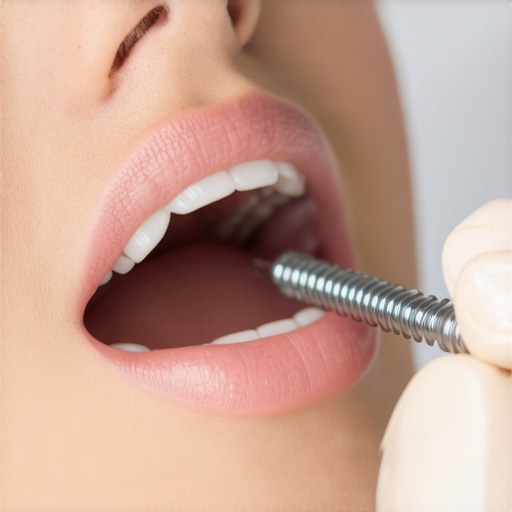 When it comes to dental care, many assume they understand everything, but especially in areas like cosmetic dentistry, veneers, and dental implants, there’s often a lot of misconception. Let’s explore some advanced nuances that even experienced patients overlook, so you can make smarter decisions about your oral health.
One common myth is that all dental veneers are the same. In reality, the choice between porcelain veneers and composite veneers involves more than just aesthetic preference; it impacts durability, maintenance, and how they interact with your natural teeth. Expertly crafted veneers require careful consultation — not just picking a style online. For an in-depth comparison, check out Veneers versus crowns.
A frequent oversight in family dentistry involves assuming regular cleanings are sufficient for lifelong oral health. However, advanced considerations such as occlusion, genetic predispositions, or early signs of bite issues can undermine long-term success if not proactively managed. Regular check-ups should include more than cavity checks — they should involve comprehensive assessments tailored to your unique genetic and lifestyle factors. For ideas on optimizing your routine, explore family dentistry tips.
In the sphere of dental implants, many think that if the implant feels stable now, everything is fine. But lurking beneath the surface is the nuanced danger of osseointegration failure or peri-implantitis, both of which can silently undermine your investment. Studies indicate that peri-implant bone loss can begin subtly before symptoms appear, making early detection critical. The misconception here is that a normal x-ray or absence of pain equals success. For a detailed understanding of future-proofing your implant, review how dental implants reshape your oral health.
Making assumptions without considering these nuances can lead to costly mistakes. For example, choosing a veneer without assessing the underlying enamel thickness might cause premature chipping, or ignoring genetic factors can increase risk for implant failure.
Have you ever fallen into this trap? Let me know in the comments. Remember, understanding these subtle but significant aspects equips you with the knowledge to advocate for the best possible results with your dental care.Maintaining your dental restorations and implants over the years requires a combination of the right equipment, consistent habits, and professional care. One of my personal staples is a high-quality ultrasonic scaler, which I use during cleanings. Unlike traditional manual tools, ultrasonic scalers effectively remove plaque and tartar around implants and veneers without damaging delicate surfaces, ensuring longevity. Additionally, I recommend investing in a water flosser; I personally use the Waterpik Aquarius because it excels at cleaning hard-to-reach areas, especially around dental implants and beneath veneers, reducing the risk of peri-implantitis and decay. Regular use of such devices complements daily brushing and flossing, but for optimal results, I combine these with professional check-ups every six months—these appointments are vital for early detection of issues like bone loss or marginal staining. To stay ahead of potential problems, I schedule periodic panoramic x-rays, which provide a comprehensive view of your bone levels and implant stability, informing timely interventions. As technology advances, I predict more integrating smart diagnostic tools that can remotely monitor implant health and notify you or your dentist of early warning signs. When it comes to long-term success, mastering the art of routine maintenance and employing advanced tools can make a significant difference. For a detailed guide on how to incorporate these tools seamlessly, visit how dental implants reshape your oral health in 2025. How do I maintain my dental work over time? The key lies in consistent cleaning with devices like water flossers, scheduling regular professional evaluations, and staying informed about emerging technologies. For instance, a study published in the Journal of Prosthetic Dentistry describes how newer laser and digital imaging techniques can detect early peri-implant diseases before symptoms appear, allowing for less invasive interventions. Incorporate one of these advanced tips—such as adding a water flosser to your routine—and enjoy the peace of mind knowing you’re actively extending the lifespan of your dental investments.
What I Never Expected About Implant Stability
One of the most profound lessons I learned was that even a seemingly minor wobble of an implant can signal bigger underlying issues, like bone loss or infection, if ignored. Trusting my instincts and seeking prompt professional advice prevented bigger problems later on.
Why Overconfidence in Routine Checks Can Backfire
Initially, I believed regular check-ups were enough, but I realized that genuine understanding of implant health requires proactive monitoring tools and patient education. This awareness transformed my approach to long-term oral health management.
My Biggest Reset Moment with Dental Care
Once, I underestimated the importance of proper cleaning around my implant. When problems arose, I learned that incorporating advanced tools like ultrasonic scalers and water flossers, combined with professional evaluations, significantly extended the life of my dental investments.
Curated Gems That Changed My Perspective on Dental Maintenance
My go-to resources include the latest research articles on peri-implantitis, recommendations from trusted dental professionals, and innovative tools endorsed by specialists. Learning from experts like those behind how dental implants reshape your oral health in 2025 keeps me ahead of potential issues.
The Power of Knowing You Can Take Control
Remember, understanding the subtle signs of implant health empowers you to act confidently. Continuous education, embracing new technologies, and regular professional care can help you maintain your smile for decades to come. Take charge today, and your future self will thank you.