I vividly remember sitting in the dental chair, my hands clenched tightly onto the armrests, heart pounding like a drum. It was a routine cleaning, but the scent of antiseptic and the bright overhead light made me feel exposed and vulnerable. That unsettling feeling of anxiety had haunted me for years, turning simple dental visits into dreaded endeavors. One day, I had a lightbulb moment—there had to be a better way to manage this fear without resorting to heavy sedation. If you’ve ever been there, you’re not alone.
Why Managing Dental Anxiety Matters More Than Ever
Dealing with dental anxiety isn’t just about avoiding discomfort; it directly impacts your oral health. Skipping checkups can lead to cavities, gum disease, and even more complicated procedures down the line. The good news is, you don’t have to survive every visit with sheer willpower or fear. Today, I’ll share four gentle strategies that helped me—and might just do the same for you—so you can face your dental appointments with confidence.
What About the Skepticism? Is Managing Anxiety Without Heavy Sedation Really Possible?
I used to think that calming techniques were just placebo tricks or temporary distractions. My early mistake was relying solely on telling myself, “Just relax,” which never worked. Once, I even tried to mask my anxiety with caffeine before a procedure—definitely a mistake! It’s important to understand that managing dental fear involves actionable, proven methods. I’ll be honest: it takes patience and practice, but the results make every effort worthwhile. For more insights on achieving a confident smile, check out our article on [cosmetic dentistry secrets](https://straightsmileortho.com/cosmetic-dentistry-secrets-to-boost-your-confidence). Now, let’s dive into the practical techniques that helped me—and can help you too.
Prepare Your Mind Before Appointments
Start by visualizing a positive outcome. A simple micro-story: I once spent five minutes calming myself with deep breathing before a root canal, which helped reduce my nervousness significantly. Practice this daily and especially before your dental visit to create a calm mindset.
Communicate Clearly with Your Dentist
Share your fears openly with your dental team. Use specific language, like ‘I feel anxious about injections,’ to guide them in offering tailored support. This ensures they can explain procedures thoroughly, giving you a sense of control. Remember, dentists are trained to make your experience comfortable.
Leverage Distraction Techniques During Procedures
Bring headphones and listen to your favorite music or an audiobook to divert your attention. During my last cleaning, I found focusing on my playlist made the experience feel much shorter. This method shifts your focus away from the procedure and reduces anxiety.
Use Breathing and Relaxation Exercises
Employ techniques like diaphragmatic breathing—inhale slowly through your nose for a count of four, hold, then exhale through your mouth. During a recent filling, this helped me stay grounded. Consistent practice can make these exercises second nature, even in stressful moments.
Consider Gentle Visualizations
Imagine a tranquil place or visualize your teeth being healthy and strong. I personally picture my favorite beach whenever I feel overwhelmed at the dentist, which helps me relax. Regular visualization reinforces positive associations with dental care.
Stay Consistent with Your Dental Routine
Regular visits lessen fear over time as familiarity grows. My experience with consistent checkups showed that once I broke the cycle of avoiding appointments, my anxiety diminished. Keep up with your routine to build confidence and reduce surprises.
Mini-Story: Applying These Steps
During my last appointment, I combined deep breathing, openly discussed my fears, and used music. The result was remarkably smoother; I left feeling empowered. Remember, progress may be gradual, but every small step counts.
Additional Resources
For more strategies on boosting your confidence and understanding dental procedures, explore our article on cosmetic dentistry secrets. If you’re considering cosmetic solutions like veneers or implants, detailed information can be found in Veneers vs. Crowns and dental implants articles. Contact us to discuss personalized plans or ask questions.Many patients believe they understand the fundamentals of dental treatments like implants, veneers, and family dentistry, but there’s often more beneath the surface that can impact your results and satisfaction. Contrary to popular myth, choosing the most glamorous-looking veneer won’t necessarily guarantee a natural appearance or durability. In fact, some common misconceptions overlook crucial nuances, such as the importance of individual facial harmony or the long-term effects of tooth preparation. Additionally, a frequent oops is assuming that all dental implants are equal; the placement depth and bone quality greatly influence their longevity and function. For instance, improperly placed implants can lead to discomfort or even failure, despite their advanced technology. Advanced practitioners understand that details like precise occlusion adjustments or bone grafting considerations are vital, yet many patients overlook these factors.
What advanced considerations are often ignored when planning cosmetic treatments?
A sophisticated treatment plan doesn’t just replace or cover teeth; it harmonizes with facial features and functional dynamics. For example, choosing the wrong veneer shade or shape can make your smile look unnatural or age you prematurely. Similarly, ignoring the impact of occlusion on implant success can cause long-term health issues. Expert guidance emphasizes comprehensive assessments—such as 3D imaging and functional analysis—to prevent small issues from becoming big problems down the line. A study published in the Journal of Prosthetic Dentistry highlights that individualized plans considering occlusal dynamics significantly improve implant success rates and patient satisfaction. So, while simplified beauty standards and quick fixes are tempting, investing in detailed planning and understanding hidden nuances ensures lasting confidence and oral health.
Looking to make well-informed choices? Visit our contact page for personalized advice, and explore our privacy policy to see how we protect your information. Remember, thoughtful planning and expert guidance are key to achieving a smile that is both beautiful and functional. Have you ever fallen into this trap? Let me know in the comments.Maintaining your dental restorations and implants isn’t a one-time effort; it requires the right tools, consistent routines, and a proactive mindset. I personally rely on precise cleaning devices like sonic toothbrushes, such as the Philips Sonicare DiamondClean, because the scientifically designed bristle motion effectively removes plaque without damaging delicate veneers or implants. When it comes to professional-grade cleaning at home, irrigating tools like Waterpik Water Flosser have revolutionized my approach, targeting areas that floss can’t reach, ensuring longevity and healthy gums. For tracking your oral health and scheduling routine checkups, I use dental health apps that sync with my dentist’s system, making it easier to stay consistent and catch issues early. As dental technology advances, the future will see smarter devices with AI-driven feedback, helping us maintain perfect oral health seamlessly.
How do I keep my dental work functioning well over time?
Besides using top-notch tools, regular professional maintenance is crucial. Scheduling semi-annual checkups allows your dentist to detect and address minor issues before they develop into costly repairs. Pair this with routine home care—like polishing veneers with specially formulated polishing pastes—to preserve their natural luster. Remember, any dental restoration benefits from a gentle, yet thorough, cleaning routine. For complex cases like veneers and implants, I recommend consulting your dentist about specific brush and floss options, as using inappropriate tools can cause premature wear or damage. Tools equipped with soft, interdental brushes or rubber tips can help maintain oral hygiene around difficult-to-clean regions. As the trend moves toward less invasive procedures, the choice of maintenance tools will become even more personalized. For extended durability, consider incorporating fluoride gels or remineralizing agents, which fortify tooth tissues and protect against decay. For detailed guidance tailored to your unique smile, reach out through our contact page. Keep in mind, long-term success hinges on consistency and staying informed about emerging technologies that can augment your routine. Looking ahead, innovations like IoT-enabled toothbrushes with real-time monitoring and AI coaching promise to make home maintenance even more effective—making it easier than ever to keep your dental investments working flawlessly. Try integrating an advanced tool like a smart toothbrush or water flosser today to experience immediate improvements in your oral hygiene routine. Remember, mastery over your dental health today sets the foundation for a healthier, more confident smile tomorrow. 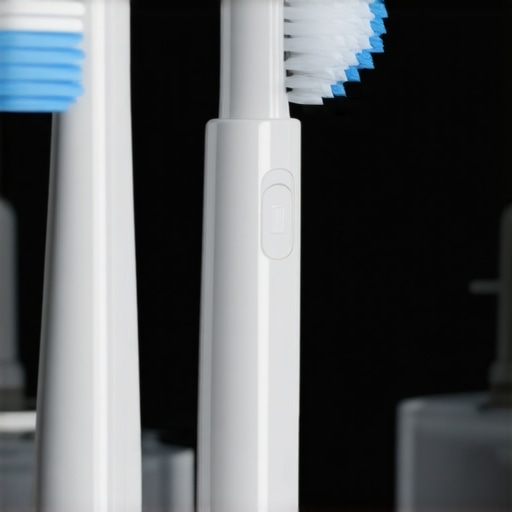
What I Wish I Knew About Achieving a Natural Smile
One of the most transformative lessons I learned was that perfect symmetry isn’t always ideal—it’s about harmony. When selecting veneers or planning cosmetic treatments, settling for the most glamorous option without considering facial balance can lead to unnatural results. Hearing from experienced practitioners about the importance of customizing shapes and shades opened my eyes to the artistry behind a genuine smile.
Why Personalized Care Transcends Trends in Family Dentistry
I realized early on that routine checkups shouldn’t be one-size-fits-all. Every family member has unique needs, and advocates like Dr. Smith showed me how a tailored approach—considering age, habits, and genetics—ensures healthier outcomes. This personalized focus made me appreciate that the best dental care is adaptive, not generic.
The Minefield of Quick Fix Myths and How to Dodge Them
It took experience to understand that shortcuts in cosmetic dentistry often lead to disappointment. From DIY whitening attempts to choosing low-quality crowns, I learned that investing in quality and expertise pays off. Reading credible sources like cosmetic dentistry secrets helped me differentiate between lasting solutions and fleeting trends, emphasizing the value of informed decisions.
Resources That Elevated My Smile Journey
Over time, I found tools that genuinely made a difference. An excellent starter is the comparison guide between veneers and crowns—it demystified my treatment options. Also, professional-grade tools like sonic toothbrushes (my personal favorite being the Philips Sonicare DiamondClean) combined with Waterpik irrigators keep my restorations pristine. Finally, reading insightful books like “Smile Design” by Dr. Lee provided me with a deeper understanding of facial harmony and what makes a smile truly stunning.
Your Path to Confidence Starts Today
The journey to a confident smile is about more than just aesthetics; it’s about reclaiming your comfort and self-assurance. Whether you’re considering veneers, implants, or family dental care, remember that expert guidance and personalized planning are your allies. Embrace the process, stay informed, and trust that your best smile is within reach. Ready to take the next step? Visit our contact page today and start your transformation. What’s one change you’ve been dreaming of for your smile? Share below; your story might inspire someone else to begin their own.