
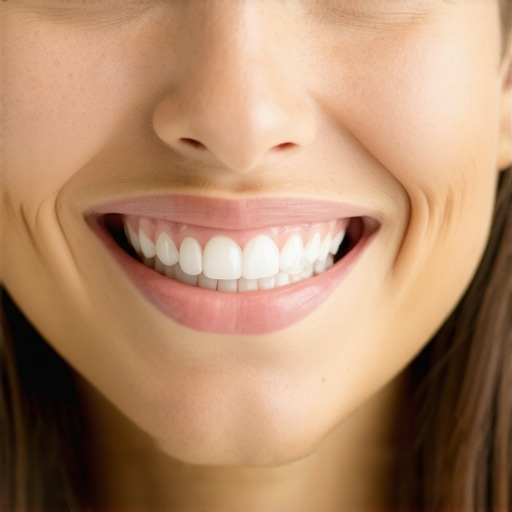
My Personal Journey with Dental Implants: Finding the Perfect Fit
Last year, I faced a dental dilemma that many of you might relate to — losing a molar and feeling the impact on my confidence and daily life. After exploring various options, I decided to try dental implants. My experience started with a thorough consultation, where my dentist explained the different types of implants and what to expect. I was particularly interested in natural-looking, durable solutions that could restore my smile seamlessly.
What Makes a Dental Implant Truly Natural and Lasting?
From my research and personal experience, the key to a successful dental implant lies in choosing the right type and material. Titanium implants, known for their strength and biocompatibility, integrate well with the bone, providing a sturdy foundation. Additionally, high-quality crowns that mimic natural teeth are essential for an authentic appearance. I learned that modern dental technology, like 3D imaging, helps ensure a perfect fit and long-term durability. For authoritative insights, I checked out this guide which highlights the latest innovations in dental implant technology for 2024.
My Tips for Ensuring Long-Lasting Results
Throughout my journey, I adopted some practical habits to maintain my implants’ health. Regular brushing and flossing, combined with routine dental check-ups, kept everything in top shape. I also avoided excessive sugary foods and tobacco, which can compromise implant longevity. These small lifestyle adjustments truly made a difference. I highly recommend consulting trusted sources like family dentistry tips for maintaining oral health long-term.
How Do I Know If a Dental Implant Is Right for Me?
Deciding whether dental implants are suitable depends on individual factors such as bone density, overall health, and personal goals. I found that a consultation with a qualified dentist is essential to evaluate these aspects thoroughly. They can recommend the best type of implant and treatment plan tailored to your needs. Remember, every smile is unique, and what worked for me might differ for you. Feel free to explore more about the process on trusted websites or discuss with your dental professional.
If you’re considering dental implants, I encourage you to share your thoughts or experiences in the comments below. Your insights could help others make informed decisions about their oral health journey.
Understanding the Nuances of Dental Implant Materials and Design
Choosing the right dental implant goes beyond just selecting a titanium post; it involves understanding the subtle differences in implant design, surface treatment, and compatibility. For example, some implants feature micro-rough surfaces that promote faster osseointegration, which is critical for long-lasting stability. Additionally, zirconia implants are gaining popularity among those with metal sensitivities, offering a biocompatible alternative that still provides excellent durability. Experts emphasize that the success of an implant depends heavily on these nuanced choices, tailored to individual needs and health conditions. For comprehensive guidance, visiting this detailed resource offers valuable insights into material options and design considerations.
Personalized Treatment Planning: The Key to Optimal Results
Every smile is unique, which means that a one-size-fits-all approach rarely yields the best results. Advanced imaging techniques like CBCT scans enable practitioners to assess bone density and structure with precision, facilitating customized implant placement strategies. This personalized planning helps minimize complications and ensures that the implant aligns perfectly with neighboring teeth and facial aesthetics. Moreover, integrating digital smile design can help visualize outcomes, giving patients confidence in their treatment plan. As an industry leader, I recommend consulting with experienced professionals who utilize state-of-the-art diagnostic tools to tailor treatments effectively. For more on this, explore this trusted guide.
What Practical Strategies Can Maximize Your Dental Implant Longevity?
Maintaining your implant’s health requires a combination of diligent oral hygiene, lifestyle choices, and regular professional care. Brushing twice daily with fluoride toothpaste and flossing at least once a day helps prevent plaque buildup, which can threaten implant stability. Incorporating antimicrobial mouth rinses can further reduce bacterial colonization around the implant site. Lifestyle factors such as quitting smoking and limiting alcohol intake are also crucial because they influence healing and long-term integration. Regular dental check-ups, ideally every six months, allow your dentist to monitor the implant and address any issues early. For detailed tips on maintaining your smile’s health, check out trusted family dentistry tips.
Having navigated the intricate world of dental implants myself, I can attest that understanding the subtle differences in materials and the importance of personalized treatment planning truly make a difference in achieving long-lasting, natural-looking results. When I first considered implants, I was overwhelmed by the array of options—titanium, zirconia, different surface textures—and was eager to learn how these choices influence not only durability but also how well the implant integrates with my unique oral anatomy.
Unpacking the Complexity of Implant Materials and Their Impact on Longevity
Some of you may wonder, what makes one material more suitable than another? I found that titanium, renowned for its strength and proven biocompatibility, remains the gold standard for most patients. Its ability to fuse seamlessly with bone—osseointegration—ensures stability over decades. However, for those with metal sensitivities or aesthetic concerns, zirconia offers a metal-free alternative that boasts excellent durability and a biocompatible profile. The surface treatment of implants also plays a crucial role—micro-rough surfaces promote faster osseointegration, reducing healing time and enhancing stability. This nuanced understanding helped me appreciate that the choice isn’t solely about material but also about how the implant’s design and surface interact with my specific oral environment.
Why Personalized Treatment Planning Is Essential for Optimal Results
Beyond materials, I learned that personalized treatment planning is pivotal. Advanced imaging technologies, like CBCT scans, allow practitioners to evaluate my bone density and structure with precision. This data feeds into digital planning software that maps out the ideal implant placement, ensuring it aligns perfectly with my facial aesthetics and neighboring teeth. I was particularly impressed by how this approach minimizes complications and enhances the longevity of the implant. Incorporating digital smile design, I could visualize the final outcome before the procedure, which boosted my confidence and helped me communicate my expectations effectively. If you’re curious about how these innovations can benefit your treatment, I recommend exploring this comprehensive guide.
How Do I Ensure My Implant Lasts Decades? Practical Strategies for Maintenance
Maintaining the health of your implant is an ongoing journey. I adopted a meticulous oral hygiene routine—brushing twice daily with fluoride toothpaste, flossing regularly, and using antimicrobial rinses. Regular dental check-ups became my priority, allowing early detection of any issues. Lifestyle choices also matter; quitting smoking and moderating alcohol consumption have noticeably improved my healing and ongoing stability. These habits, combined with professional care, have helped me enjoy my implant for over five years now, feeling confident every day. For those interested in detailed tips, I recommend visiting trusted family dentistry tips.
What Advanced Considerations Should I Keep in Mind When Choosing My Implant?
One question I often get is about the finer points of implant design and compatibility. For example, implants with micro-rough surfaces tend to promote faster osseointegration, which can be a game-changer in reducing healing times. Zirconia implants are gaining popularity among those with allergies to metals, offering a biocompatible alternative without sacrificing strength. The success of an implant hinges on these detailed choices—tailored to individual health conditions and aesthetic goals. I’ve found that consulting with a specialist who uses state-of-the-art diagnostic tools ensures your treatment plan is optimized for your unique needs. To dive deeper into these nuances, check out this detailed resource.
Thoughts on Embracing the Complexity for Better Confidence
Reflecting on my own experience, I realize that embracing the complexity of implant materials and personalized planning has been essential for my confidence. It’s not just about having a new tooth but about understanding the science behind the choices that make it last and look natural. This journey has deepened my appreciation for the artistry and precision that modern dentistry offers. I encourage anyone considering implants to delve into these details, ask your dentist questions, and be proactive about your oral health. If you’ve had similar experiences or are planning your journey, I’d love to hear your stories—feel free to share in the comments or reach out through this contact page.
Unraveling the Nuances of Implant Surface Technologies and Material Choices
In my ongoing exploration of dental implantology, I have come to appreciate how surface modifications—such as laser micro-roughening and nano-technology—significantly influence osseointegration rates and long-term stability. For instance, implants with micro-rough surfaces can reduce healing time and enhance bone-implant contact, which is crucial for durable results. Zirconia implants, often favored for their biocompatibility and aesthetic benefits, also benefit from advanced surface treatments that boost integration. A recent study published in the Journal of Dental Research underscores how surface topography intricately affects cellular responses, emphasizing the importance of these nuanced design choices. To deepen your understanding, I recommend reviewing this comprehensive resource on implant material innovations.
What Are the Latest Advances in Implant Compatibility and Surface Optimization?
Advanced surface treatments not only promote faster osseointegration but also help mitigate peri-implantitis risks. Nanostructured surfaces, for example, mimic natural bone architecture, encouraging better cellular attachment and integration. Moreover, bioactive coatings such as calcium phosphate or growth factors are being researched to further improve healing outcomes. These innovations are paving the way for implants that are more predictable and longer-lasting, especially for patients with compromised bone quality. As someone who has navigated these options personally, I find that discussing these cutting-edge technologies with a knowledgeable practitioner can significantly impact treatment success. For a deeper dive, explore this authoritative guide on future-proof implant solutions.
Harnessing Digital Planning for Personalized Implantology
Personalized treatment truly begins with meticulous digital planning. Utilizing cone-beam computed tomography (CBCT) scans allows for precise assessment of bone density and anatomical variations, enabling tailored implant placement strategies that optimize longevity. The integration of digital smile design tools offers visual confirmation of expected outcomes, aligning surgical precision with aesthetic goals. I have found that this approach minimizes complications and enhances patient satisfaction, transforming a routine procedure into a bespoke experience. For those eager to learn how digital workflows can revolutionize your implant journey, I suggest reviewing this insightful resource.
How Can Advanced Imaging and Digital Planning Elevate Your Implant Success?
Incorporating 3D imaging and virtual treatment simulations allows practitioners to anticipate potential challenges and customize interventions accordingly. This proactive approach ensures that implant placement aligns perfectly with surrounding structures, reducing the risk of nerve damage or sinus perforation. Additionally, digital planning fosters clearer communication with patients, setting realistic expectations and increasing confidence in the procedure. Personally, embracing these technologies has empowered me to participate actively in my treatment planning, resulting in a more satisfying and predictable outcome. For more details, consult this comprehensive guide.
Strategies Beyond Surgery for Ensuring Decades of Dental Implant Durability
Long-term success hinges on diligent maintenance and lifestyle modifications. I emphasize the importance of meticulous oral hygiene—brushing twice daily with fluoride toothpaste, flossing, and using antimicrobial rinses—to prevent plaque accumulation. Regular professional evaluations, ideally every six months, are vital for early detection of peri-implant conditions. Lifestyle choices such as avoiding smoking and limiting alcohol intake can significantly influence healing and ongoing stability. From my experience, these habits are simple yet profoundly impactful. For those seeking expert advice, I recommend perusing trusted family dentistry tips for preserving implant health over decades.
What Are the Most Effective Habits to Maximize Implant Longevity?
Consistent hygiene routines combined with professional monitoring form the cornerstone of durable implants. Incorporating antimicrobial rinses and avoiding damaging habits such as teeth grinding (bruxism) can further enhance outcomes. Additionally, considering occlusal adjustments if necessary ensures even load distribution. Personally, integrating these habits has allowed me to enjoy my implant for over five years without complications, reaffirming that proactive care is indispensable. If you’re interested in mastering these strategies, explore this trusted resource.
Things I Wish I Knew Earlier (or You Might Find Surprising)
The Nuance of Material Choices
When I first considered dental implants, I underestimated how much the material impacts longevity. Learning that titanium fosters excellent osseointegration was a game-changer, but discovering zirconia as a biocompatible alternative for sensitive individuals opened my eyes to personalized options. This understanding made me appreciate the importance of discussing these subtleties with my dentist.
Surface Treatment Matters
It surprised me how surface treatments like micro-roughening can accelerate healing and enhance stability. This tiny detail can significantly influence the implant’s success, and I wish I had known to ask about surface technology during my consultation.
Personalized Planning Is Crucial
Advanced imaging tools like CBCT scans made me realize that each smile requires a tailored approach. The precision in placement reduces complications and boosts confidence in the results. I now see the value of investing in a dentist who uses digital planning.
Maintenance Is an Ongoing Journey
Regular brushing, flossing, and professional check-ups are vital. I learned that lifestyle choices like quitting smoking dramatically extend implant life, a tip I wish I had prioritized earlier.
Technology Continues to Advance
The evolution of surface technologies and materials keeps impressing me. Staying informed through trusted sources helps me make smarter decisions about my oral health.
Resources I’ve Come to Trust Over Time
- American Dental Association (ADA): Their guidelines and research offer reliable, up-to-date information on dental implant technology and practices. I often refer friends to their website for credible insights.
- National Institute of Dental and Craniofacial Research (NIDCR): This government resource provides comprehensive studies and breakthroughs in implant materials and techniques, helping me understand the science behind the procedures.
- PubMed Central: For exploring cutting-edge research articles, PubMed is invaluable. I appreciate their peer-reviewed studies on surface treatments and material innovations.
Parting Thoughts from My Perspective
Reflecting on my journey, I realize that understanding the nuances of implant materials and personalized treatment planning was essential for lasting confidence in my smile. Embracing the evolving technology and staying informed through trusted resources allowed me to make choices aligned with my needs. If this resonates with you, I’d love to hear your thoughts or experiences. Sharing our stories can inspire others to take confident steps toward their oral health goals. Feel free to comment or reach out through this contact page.
Reading through this personal journey with dental implants really resonated with me, especially the emphasis on material choice and personalized planning. It’s fascinating how advances like micro-rough surfaces and zirconia alternatives are changing the landscape of implant dentistry. I recently had an appointment where my dentist discussed using 3D imaging to tailor the implant placement exactly to my jawbone structure, which made me feel more confident about the outcome. It made me wonder how many patients are aware of these technological options and how they can advocate for more personalized care. Has anyone else experienced a significant difference in treatment outcomes when opting for tech-forward planning? I’d love to hear more about your experiences and any tips on how to ensure you’re getting the most advanced, customized treatment possible.
I found this personal insight into dental implants quite compelling, especially the focus on using advanced imaging technology like 3D scans to achieve a perfect fit. In my own experience, I’ve noticed that when dentists utilize digital planning tools, the success rate and patient satisfaction tend to be much higher because of the tailored approach. It makes me wonder, though—how accessible are these technologies in smaller clinics or for patients with limited insurance coverage? From what I’ve seen, some practices might still rely on traditional methods, which could affect the outcome. Have others here encountered challenges in finding providers who prioritize cutting-edge techniques? I believe investing in that technology can really make a difference in both the longevity and aesthetic of the implants, so I’d love to hear more about ways to advocate for such options and what questions to ask your dentist during consultations to ensure you’re receiving the best care possible.