Have you ever wrestled with flossing under your dental bridge, only to end up frustrated, shredded, or worse—hurting your gums? I remember the moment I realized I was doing more harm than good. My gums throbbed, and my floss looked worse than when I started. It was a lightbulb moment that I was tackling the problem the wrong way. If you’re like me, you value your oral health but dread the daily chore of cleaning under that tricky bridge.
Why Proper Flossing Under Your Dental Bridge Is a Big Deal
Keeping the area beneath your dental bridge clean isn’t just about fresh breath; it’s vital for your overall oral health. Accumulated plaque and debris can lead to gum disease, decay of the supporting teeth, and even bad odors that won’t quit. Yet, many people shy away from flossing correctly because of the fear of damaging their delicate gum tissue or shredding the floss itself. And let’s be honest—most of us have experienced that heart-sinking moment of pulling out a frayed, useless piece of string, wondering if we’re doing more harm than good.
Is Flossing Under Your Bridge Really Worth the Hassle?
I used to think that skipping this step was better than risking gum damage. But neglecting proper cleaning only set me up for more dental problems down the line. Early in my journey, I made the mistake of using too much floss, pulling it too hard, or forcing it underneath—trust me, these are rookie moves. Over time, I discovered that with the right technique, flossing can be gentle yet effective. According to recent research, neglecting thorough cleaning around dental restorations increases the risk of peri-implantitis and other serious issues, emphasizing the importance of careful flossing (source: American Academy of Periodontology).
In this guide, I’ll share practical tips and tricks based on my own experience, so you can clean under your bridge confidently without shredding your floss or hurting your gums. Whether you’re new to dental implants or a seasoned veneer enthusiast, mastering this skill will save you from discomfort and costly dental visits. Ready to tackle this challenge head-on? Let’s get started.
Prepare Your Flossing Tools for Success
Start with a length of dental floss about 18 inches long. Wrap most of it around your middle fingers, leaving a few inches to work with. Use a floss that is waxed or unwaxed based on your preference, but waxed tends to glide better around dental restorations. Have a mirror handy to see what you’re doing, and a good light will help you avoid accidental injuries.
Choose the Right Floss Variant
Utilize a floss threader or super floss, especially designed for bridges or implants. Their thin, stiff ends make slipping beneath your bridge easier and safer. I remember the first time I tried a floss threader—my hands were shaky, and the floss kept snagging. But after a few attempts, I got the knack, and it became a quick, confident routine.
Carefully Thread the Floss Beneath Your Bridge
Insert the stiff end of the floss threader underneath the pontic—the false tooth of your bridge—and gently pull the floss through until it’s snug. Think of it like threading a needle but with more delicate care. Don’t force it; if resistance occurs, try angling the floss slightly or adjusting the direction. This precise step ensures the floss reaches the plaque-prone area without damaging your gums or leaving debris behind.
Execute Gentle and Effective Flossing
Hold the floss tightly against the tooth and gently move it up and down along the side of the tooth and along the gumline. Avoid snapping or forcing the floss, which could hurt delicate tissue. An instance that sticks in my mind: I once applied too much pressure and caused minor bleeding. Once I slowed down and used gentle strokes—like petting a cat—I saw improvements in my gum health and felt less discomfort.
Repeat for Each Space and Floss Properly
Work your way from the back to the front, ensuring each interproximal space is cleaned thoroughly. Use a clean section of floss for each tooth to avoid spreading bacteria. Remember, patience is key. Rushing can cause irritation or incomplete cleaning. After each session, rinse with water or an antiseptic rinse to remove loosened debris and plaque. With consistent practice, flossing under your bridge becomes second nature, promoting healthier gums and a lasting beautiful smile.
Additional Tips for Success
If you find it tricky, consider using interdental brushes or water flossers, which can be gentler and equally effective. These tools can complement your routine and reach stubborn areas that floss might miss. For personalized advice or if you encounter persistent issues, don’t hesitate to contact your dental professional. Proper technique will not only preserve your dental work but also boost your confidence in maintaining excellent oral health.
When considering veneers, cosmetic dentistry, or dental implants, many patients operate under common misconceptions that could hinder their treatment outcomes. Let’s dig deeper into these nuances and discover the pitfalls even seasoned dental enthusiasts might overlook. Contrary to popular belief, not all veneers are created equal—many assume that choosing the whitest or most uniform option guarantees the best look, but experts warn that overly white or slab-sided veneers can appear unnatural and age your face. According to a study in the Journal of Esthetic & Restorative Dentistry, matching veneer shades to your facial characteristics yields more harmonious results than simply opting for the brightest option. Similarly, with cosmetic dentistry, many think that procedures are solely for aesthetic enhancement, overlooking their impact on function and long-term health. For instance, improperly designed crowns or veneers can alter your bite, leading to TMJ issues or uneven wear, which might cost you more in the long run. When it comes to dental implants, there’s a misconception that once installed, they are permanent and worry-free. However, neglecting the nuances of placement depth, surrounding bone quality, and soft tissue management can lead to implant failure or poor esthetics. A common trap is assuming all implant brands perform similarly; yet, scientific research highlights differences in osseointegration success rates based on implant surface properties and surgical techniques. Additionally, many patients underestimate the importance of comprehensive treatment planning that considers adjacent teeth, jaw alignment, and even sinus anatomy, especially in upper jaw implants. Have you ever fallen into these traps? Let me know in the comments. Moreover, the importance of family dentistry often gets reduced to just routine cleanings. But a nuanced understanding reveals that regular checkups can detect early signs of systemic conditions, like diabetes or heart disease, given the oral-systemic health connection. For example, periodontal disease has been linked to increased risk of cardiovascular problems, emphasizing the need for a holistic approach. Remember, each of these procedures involves more than just aesthetic appeal; they require careful planning, precise execution, and ongoing maintenance. Rushing decisions or oversimplifying the process can jeopardize your investment and health. Dive deeper into these topics by exploring more about how porcelain veneers can be customized for your face or how to avoid common pitfalls with dental implants by visiting our comprehensive guides on [veneers](https://straightsmileortho.com/veneers-transformation-unlocking-your-best-smile-yet), [dental implants](https://straightsmileortho.com/how-dental-implants-reshape-your-oral-health-in-2025), and [family dentistry](https://straightsmileortho.com/family-dentistry-tips-for-a-lifetime-of-healthy-smiles). Being aware of these nuanced realities will help you make informed decisions and achieve better, longer-lasting results.
Maintaining your dental work, whether it’s veneers, implants, or crowns, is a crucial step in ensuring their longevity and your oral health. Over the years, I’ve fine-tuned my toolkit, adopting specific devices and methods that make routine care more effective and less stressful. Using the right tools isn’t just about convenience; it’s about preserving your investment and preventing costly repairs down the line.
Invest in a High-Quality Water Flosser
I personally swear by a water flosser with adjustable pressure settings. Devices like the Waterpik Ultra have proven effective in removing debris from hard-to-reach areas around veneers and implants without risking damage. The gentle pulsating water helps dislodge plaque and biofilm, which traditional flossing might miss—especially around complex restorations. According to a study in the Journal of Clinical Dentistry, water flossers significantly reduce gingival bleeding and plaque accumulation when used consistently. Regular use can be a game-changer in maintaining periodontal health around your dental work and even prevent peri-implantitis in implant cases.
Use a Soft-Bristled, End-Tufted Toothbrush
In my routine, a soft, end-tufted toothbrush allows precise cleaning of the gumline and around veneers or crowns. The smaller head offers control, enabling me to navigate around contour lines and under restorations without applying excessive pressure. This minimizes the risk of scratching the porcelain or damaging soft tissue. Dental professionals recommend replacing your toothbrush every three to four months, especially if you observe frayed bristles, which can be less effective and potentially injure delicate tissues.
Apply a Stellar Oral Hygiene Software
For tech-savvy aficionados, integrating apps like MySmile or Dental Monitoring tracks your brushing and flossing routines, offering real-time feedback. These platforms can remind you to replace your brush, improve your technique, and schedule professional cleanings. Over time, I’ve noticed a marked improvement in my maintenance consistency, especially after incorporating routine alerts and progress tracking. As digital health tools evolve, I believe they’ll become indispensable for long-term success in dental restoration upkeep.
The Future of Dental Maintenance
Looking ahead, I predict that advancements in smart toothbrushes and AI-driven oral health platforms will make individualized maintenance plans more accessible. Innovations like ultrasonic cleaning devices promise even more effective plaque removal with gentle ultrasonic waves, reducing the need for frequent professional cleanings. Staying abreast of these trends can help you choose the best tools and techniques for your unique dental needs.
How Do I Maintain My Dental Restorations Over Time?
The key is consistency and the right equipment. Regularly using tools like water flossers, soft brushes, and digital tracking apps ensures your restorations stay pristine and functional. Remember, professional checkups complement your at-home regimen, catching issues early before they become costly repairs. For personalized advice tailored to your specific restorations, don’t hesitate to contact your dentist or visit our comprehensive veneers guide. By integrating these practices and tools into your routine, you’ll keep your dental work—not just looking good, but functioning perfectly for years to come.
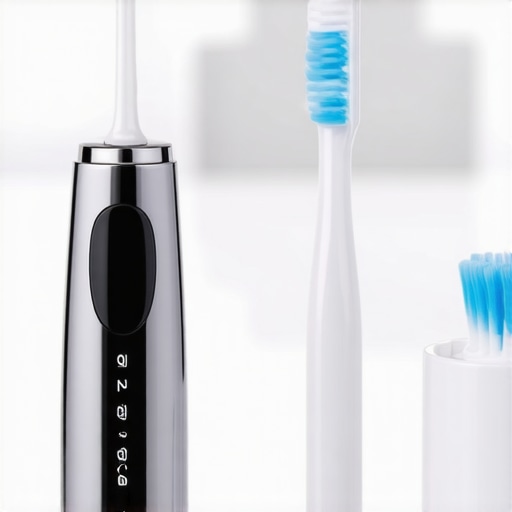
Over years of caring for my smile, I uncovered some hidden truths about maintaining veneers, dental implants, and crowns that no one discusses openly. These lessons transformed my approach from reactive to proactive, ensuring my dental investments stayed pristine and functional.
Secrets That Changed My Dental Care Routine Forever
- Perfection Requires Consistency: I learned that even the best restorations need diligent and gentle care daily. Skipping routine hygiene or using harsh tools can chip porcelain or loosen implants over time.
- The Right Tools Make All the Difference: Switching to a water flosser and soft-bristled toothbrush drastically reduced gum irritation around my restorations, preventing costly repairs.
- Professional Checkups Are Lifelines: Regular dental visits catch small issues before they become serious. I discovered that a brief appointment can extend the lifespan of my veneers and implants significantly.
- Mindful Habits Preserve Your Investment: Avoiding biting hard objects or opening packages with teeth protected my restorations from cracks—small habits that save big repairs.
Tools and Resources That Keep My Smile Bright
- Advanced Dental Implants Guide: Gives deep insights into implant longevity and care—helpful for understanding your own treatment.
- Cosmetic Dentistry Tips: Offers strategies for maintaining veneers and crowns with natural-looking results.
- Family Dentistry Maintenance: Emphasizes preventive care that benefits everyone in your household, creating a foundation of healthy habits.
- Consult with Your Dentist: Personalized advice is invaluable—never underestimate the power of professional guidance tailored to your specific restorations.
Your Smile’s Future Is Up to You
Remember, care for your dental restorations isn’t just about aesthetics; it’s an investment in your health and confidence. By adopting mindful habits and leveraging the right tools, you guarantee that your smile remains healthy and stunning for years to come. Start today, and let your smile reflect the effort you put into it. Have you experienced a breakthrough in your routine that made a real difference? Share your story below—it might inspire someone else to keep their smile shining.