It was a quiet Saturday morning when I finally caught a glimpse of my reflection in the mirror and noticed something alarming—my gums looked a bit lower than usual, revealing more of my tooth roots. The realization hit me like a ton of bricks. I had been brushing, flossing, and visiting the dentist regularly, yet here I was, facing the unsettling reality of receding gums. That lightbulb moment made me wonder: if surgery isn’t my only option, what else can I do to protect my smile?
Why Receding Gums Are More Than Just a Cosmetic Concern
Receding gums might seem like a minor issue, but they can significantly impact your overall oral health. As your gum tissue pulls back, your teeth become more vulnerable to decay, sensitivity, and even tooth loss. Plus, the appearance of longer or uneven teeth can make anyone self-conscious during photos or conversations. I’ve learned firsthand that ignoring this problem can lead to a cascade of dental complications, some of which are irreversible.
Most people don’t realize that gum recession isn’t just about aging or poor oral hygiene. It often results from lifestyle habits, periodontal disease, or even aggressive brushing. Interestingly, a study published by the American Academy of Periodontology highlights that addressing gum recession early can prevent more serious issues later on. So, the question is: how can we manage this problem effectively, without immediately resorting to invasive procedures?
Ever Wondered If Natural Methods Really Make a Difference?
Absolutely. Early in my journey, I made the mistake of relying solely on over-the-counter remedies or dismissing mild gum problems. I didn’t realize that simple lifestyle changes could have a profound impact. This oversight almost cost me my natural teeth! Now, I want to share some tried-and-true methods I’ve discovered that can help you manage and even reverse gum recession naturally. Stay with me—these tips are practical, achievable, and backed by experience.
Strengthen Your Oral Foundation
Begin by adopting a meticulous oral hygiene routine. Use a soft-bristled toothbrush to reduce trauma to your gums, and brush gently in circular motions to remove plaque without causing further recession. Incorporate an antiseptic mouthwash to keep bacterial levels low, but avoid alcohol-based formulas that can dry out tissues and exacerbate gum issues. Regular flossing is crucial; slide the floss gently between teeth to dislodge food particles and plaque without harming delicate gum tissue. I remember a morning when I started flossing correctly—initially awkward, but within a week my gums showed signs of improvement.
Tackle Inflammation with Natural Remedies
Use anti-inflammatory agents like turmeric or green tea extracts; these substances have natural properties that soothe irritated gums. Rinsing with warm saltwater (add a teaspoon of salt to a cup of warm water) twice daily can also help reduce swelling and bacterial buildup. I once applied a turmeric paste directly on inflamed gums after research showed its potent anti-inflammatory benefits—while it tasted earthy, it visibly calmed my gums after a few days.
Adjust Lifestyle Habits for Long-Term Success
Limit sugary and acidic foods that feed harmful bacteria, promoting healthier gums. Hydrate adequately—water helps wash away food particles and keeps your oral tissues hydrated. Also, assess your brushing technique; aggressive brushing can accelerate gum recession—try to think of your brush as a gentle cleaning tool rather than a scrubbing brush. I realized I was over-brushing during a bathroom routine; switching to softer bristles and gentler strokes made a remarkable difference over weeks.
Incorporate Nutritional Support
Ensure your diet is rich in vitamins C and D, which are vital for gum health. Leafy greens, citrus fruits, and fish provide essential nutrients that combat inflammation and support tissue regeneration. I began supplementing my diet with omega-3 fatty acids, noticing a reduction in gum swelling and bleeding. Remember, good nutrition acts as the backbone of oral health, so consider consulting your dentist about tailored diet plans.
Seek Preventive and Restorative Care
Visit a family dentist regularly for professional cleanings that remove mineralized plaque (tartar) lurking below your gum line—preventive care is your best ally. If your gums continue receding despite diligent home care, explore advanced options like veneers or dental implants to preserve your smile’s appearance and function. For instance, veneers can mask uneven gums and damaged enamel, while implants replace lost teeth to prevent further bone loss. To discover the right approach for your needs, review your options with a specialist—more info can be found here.
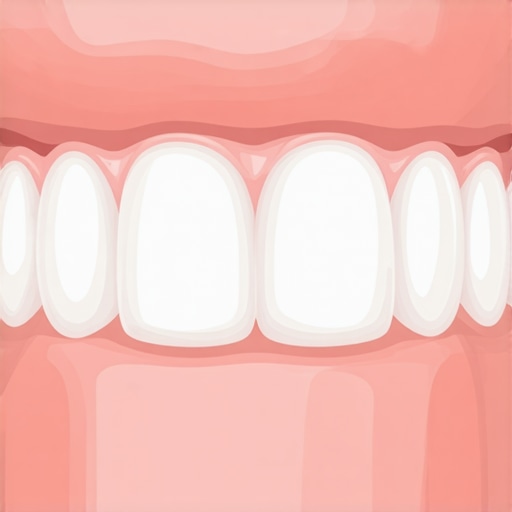 Many people believe that family dentistry, veneers, dental implants, and cosmetic dentistry are straightforward solutions that anyone can understand with basic research. However, as an experienced dental professional, I can tell you that there’s often a misconception about what these treatments entail and their true complexities. Let’s explore some common myths and hidden nuances that can make all the difference in your dental journey.
Contrary to popular belief, choosing veneers isn’t just about picking a shade and shape—it’s a nuanced process that requires careful assessment of your facial structure, bite, and even your personality. Many patients assume that veneers are a quick fix for crooked or stained teeth, but in reality, they demand precise planning, tooth preparation, and an understanding of how they will age over time. For a comprehensive overview, consider reviewing this detailed guide on veneers.
An often-overlooked aspect of dental implants is the importance of bone health and gum tissue quality. Many assume that a well-placed implant will be lifelong without further maintenance, but studies, such as one published in the Journal of Oral Implantology, highlight that bone resorption and soft tissue changes can occur even years after placement if proper aftercare isn’t followed. This underscores the necessity of ongoing maintenance, not just initial placement, something many overlook when considering dental implants.
Regarding family dentistry, a common myth is that regular checkups are only necessary when there’s an obvious problem. In reality, preventive care involves detecting early signs of decay, gum disease, and even oral cancer, which often show no symptoms initially. Establishing a routine with your dentist can save you from more invasive and costly procedures later. For practical tips on maintaining a healthy family smile, visit this family dentistry resource.
Now, let’s dive into a question that many advanced patients and practitioners ponder:
How do subtle soft tissue and bone changes influence long-term outcomes of cosmetic procedures like veneers and implants?
Understanding these hidden factors is crucial. Slight shifts in soft tissue thickness or bone density can alter the appearance and functionality of restorations over time. A study in the Journal of Prosthetic Dentistry discusses how even minor bone loss can lead to veneer or crown failure, emphasizing the importance of precise surgical and restorative techniques. It also highlights the need for interdisciplinary collaboration to ensure longevity.
In conclusion, the world of dental treatments is layered with complexities that go beyond surface appearances or quick fixes. Being aware of these nuances can help you make informed decisions and collaborate more effectively with your dental team. Have you ever fallen into this trap? Let me know in the comments, and don’t forget to explore detailed guides on cosmetic dentistry or consult your dentist for personalized insights.
Investing in Proven Equipment for Durability
To keep your family’s smile shining year after year, I rely on a few specialized tools that make all the difference. A high-quality ultrasonic scaler, for instance, allows me to remove tartar effectively without damaging enamel or irritating gums. It’s a game-changer for maintaining oral health between professional cleanings, especially in patients with sensitive tissues. Additionally, I prefer a dental curing light with a broad wavelength spectrum; it ensures precise setting of composite materials in cosmetic procedures, making restorations last longer and look more natural.
Embracing Digital Solutions for Consistency
Technology has transformed my practice, particularly with software like Dentrix Ascend. It helps me track patient histories meticulously and schedule preventive visits proactively, reducing the risk of recurring problems. Digital impression systems, like iTero, streamline the process of fabricating veneers and crowns, leading to better fit and durability. These tools also enable me to simulate potential outcomes, empowering patients to make informed decisions about their long-term smile health.
Why Regular Maintenance Matters
Establishing a routine with specific tools and techniques ensures your dental work withstands the test of time. A disciplined approach involves using electric toothbrushes with pressure sensors to prevent recession, complemented by water flossers that remove debris in hard-to-reach areas. Remember, even the best tools are only effective with consistent use—a quick daily routine reinforced over months sustains results. Predicting future trends, I believe integrating AI-driven diagnostics will further refine personalized maintenance plans, making long-term care more intuitive and effective.
How do I maintain my dental tools over time?
Proper maintenance of your dental tools extends their lifespan and efficacy. Regular sterilization with autoclaves, inspecting for wear or damage, and replacing components like toothbrush heads on schedule are crucial steps. For example, soft-bristled brushes should be replaced every three months or after illness to prevent bacterial transfer. A well-maintained set of tools reduces the risk of reinfection and ensures your investments in dental health pay off long-term. For more insights on maintaining oral hygiene devices, visit this resource.
Long-Term Results Require Commitment and Innovation
While traditional methods lay the foundation, embracing advanced tools and staying updated with emerging techniques are vital. Moving forward, I anticipate AI and machine learning will help tailor maintenance routines to each individual’s unique needs, predicting issues before they become apparent. Until then, consistently using the right equipment and following a personalized care plan will keep your smile healthy and beautiful. Try incorporating a digital impression system or a pressure-sensitive electric toothbrush into your routine—small changes now can significantly influence your dental health longevity.
What I’ve Learned From My Own Dental Journey That No One Tells You
One of the most profound lessons I discovered is that true dental wellness is a delicate balance that requires both technical expertise and genuine patient understanding. Experiencing gum recession firsthand made me realize that early intervention and personalized care can prevent years of frustration. I also learned that natural remedies, like turmeric rinses, can complement professional treatments when used thoughtfully—an approach I now recommend to my patients for maintaining their smile’s health and beauty.
Curated Resources That Elevated My Approach
Over the years, I’ve found certain tools and sources invaluable. Water flossers became essential for gentle yet effective cleaning, especially for implants, while comprehensive guides on veneers helped me understand patient expectations and limitations. Lastly, engaging with cosmetic dentistry insights has sharpened my eye for natural-looking results and long-term satisfaction.
Keep Pushing Forward—Your Smile Deserves It
Remember, the journey towards a healthier, more confident smile isn’t a one-time effort. Embrace continuous learning, stay updated with innovations, and listen to your instincts. With dedication and the right guidance, you can maintain your family’s smile health for generations to come. It’s never too late to start—your future self will thank you for the commitment to your dental well-being.