I’ll never forget the morning I looked in the mirror after a week of neglecting to replace my electric toothbrush head. My teeth didn’t feel as clean as usual, and I caught myself questioning, “Is it really time to swap this out?” That simple moment sparked a realization: many of us are wondering the same thing but hesitate to ask because it seems so basic. Well, let’s clear that confusion today.
Why We Often Delay Changing Our Toothbrush Head and What it Costs
In my experience, there’s a quiet assumption that as long as your toothbrush still works, you’re good. But that couldn’t be further from the truth. An old toothbrush head isn’t just about ineffective cleaning; it can also harbor bacteria that may lead to issues like gum inflammation or infect your mouth unexpectedly. According to a 2022 study, bacteria can cling to toothbrushes for days, contributing to oral health problems if not replaced regularly. Yet, so many of us keep that worn brush head for fear of waste or just forgetfulness.
If you’ve ever felt that your teeth aren’t feeling as fresh or noticed small spots of blood after brushing, it might be your toothbrush’s way of telling you it’s time for a change. Ignoring this simple upkeep can undermine your oral hygiene efforts and lead to more complex dental issues down the line.
Is Replacing Your Toothbrush Head Worth the Hassle?
Early in my dental journey, I made the mistake of stretching the life of my toothbrush head way beyond recommended periods. I thought, “It still turns on, isn’t that enough?” That’s when I learned about the importance of timing and how a fresh head can make all the difference. Think of your toothbrush as a key player in your daily health routine. Just like a good pair of shoes, it needs occasional renewal to perform at its best.
Ready to find out the right schedule for changing your electric toothbrush head and how to do it without fuss? Let’s dive into the practical tips that will keep your smile shiny and healthy.
Replacing Your Toothbrush Head with Precision
To ensure your toothbrush performs optimally, set a reminder to replace the head every three months. When changing it, hold the handle firmly and twist the head counterclockwise. This simple motion prevents damage to the brush’s mechanism. I recall a time when I hastily snapped on a new head, which turned out to be loosely attached, reducing cleaning efficiency and causing gum irritation. Carefully ensuring the head clicks into place avoids such mishaps and guarantees effective plaque removal.
Implementing a Consistent Flossing Strategy
Develop a daily habit of flossing each tooth, especially around implants or veneers where plaque accumulates harder to reach. Use about 18 inches of floss, wrapping most of it around your middle fingers. Glide gently between teeth, curving around each tooth. I practiced this after noticing food particles lodged near my veneers, which caused discomfort. Proper technique prevents gum bleeding and preserves the life of restorations, much like maintaining a well-oiled machine.
Applying Proper Brushing Techniques
Use a soft-bristled brush at a 45-degree angle to your gums. Use gentle, circular motions rather than harsh scrubbing, which can wear down veneers or exacerbate gum recession. During my first attempt, I pressed too hard and noticed increased sensitivity the next day. Adopting a gentle approach, focusing on small sections, maximizes cleaning while protecting delicate tissue and restorations. Think of this as polishing fine porcelain – gentle yet thorough.
Using Specialized Products for Your Unique Smile
Choose toothpaste tailored for sensitive teeth or designed for veneers and implants. Incorporate an antimicrobial rinse to reduce bacterial buildup. I once layered a whitening gel on my veneers without consulting my dentist, leading to uneven shine. Now, I stick to prescribed products, ensuring their compatibility and preventing staining or damage. This customization maintains your smile’s brightness and health, similar to tailoring a suit perfectly.
Scheduling Routine Dental Check-Ups
Book appointments every six months for professional cleaning and exam. During visits, your dentist can identify early signs of issues like gum disease or veneer discoloration. I made the mistake of skipping checkups; eventually, I noticed subtle changes in my gum line that worsened over time. Regular visits act as a safeguard, much like routine maintenance on a vehicle, preventing costly repairs down the line.
Incorporating Technology to Enhance Oral Hygiene
Use an electric toothbrush with a timer to ensure thorough cleaning within two minutes. Consider ultrasonic flossers or water picks for additional plaque removal, especially around dental implants. I experimented with a water flosser after struggling with traditional flossing around my bridges, leading to cleaner gaps and healthier gums. Integrating these tools simplifies your routine and boosts efficiency, akin to upgrading to a high-performance engine.
Monitoring Changes and Responding Promptly
Stay vigilant for signs like bleeding, sensitivity, or shifting veneers. Address concerns immediately by consulting your dental professional. Once, I noticed my veneers felt slightly loose; addressing it early saved me from more invasive procedures later. Regular self-assessment combined with professional guidance ensures your smile remains functional and beautiful, much like routine check-ins are vital for a growing garden.
By following these core steps, you transform your daily dental routine into an effective, proactive approach. Each action, from selecting the right products to timing visits, preserves your investment in a radiant, healthy smile. For deeper insights on cosmetic possibilities that can boost your confidence, visit Cosmetic Dentistry Secrets or explore options like veneers at Veneers Transformation.
Many patients and even some practitioners hold misconceptions about cosmetic dentistry, dental implants, veneers, and family dentistry that can lead to costly mistakes. Let’s *dig deeper* into these nuances, challenge common myths, and uncover some pitfalls worth avoiding. One widespread myth is that all veneers are equally durable and natural-looking. On the contrary, the quality of materials and the skill of the dentist significantly influence the outcome. For example, veneers vs. crowns require careful consideration depending on the condition of your teeth, something many overlook. Advanced cases demand tailored solutions, not a one-size-fits-all approach.
What’s the danger of choosing the cheapest veneer option?
Opting for bargain veneers can backfire. Lower quality materials tend to stain, chip, or feel unnatural over time, undermining your confidence. An often-overlooked factor is the adhesive bond quality—poor bonding leads to veneer failure or accidental damage, which can complicate future treatments. A recent study emphasizes how material selection and bonding technique impact long-term success.
Similarly, in the realm of dental implants, many assume that a standard implant is universally suitable. However, expert insights reveal that patient-specific factors like bone density and oral microbiome significantly influence implant longevity. Ignoring these nuances can result in implant failure, bone loss, or even infection.
Misunderstanding family dentistry often leads to neglecting preventative care and early intervention. Some believe that visiting a dentist only when problems arise is sufficient. But, regular checkups enable detection of underlying issues such as gum disease or early decay, which can be addressed less invasively. The latest family dentistry tips demonstrate how consistent monitoring reduces long-term dental costs and preserves oral health.
Advanced patients also grapple with the misconception that cosmetic procedures are purely aesthetic. In fact, treatments like cosmetic dentistry can improve functional aspects, boost self-esteem, and even enhance speech. Recognizing the holistic benefits underscores why choosing the right provider, with an understanding of these nuances, is essential.
So, what’s a common pitfall to avoid? Relying solely on price or aesthetics without understanding material properties, technical expertise, and patient-specific factors is a recipe for regret. Always consult with a qualified specialist who can guide you through personalized options.
Remember: no two smiles are identical. Appreciating these hidden nuances can make all the difference in achieving durable, natural results. Do you have personal experiences or questions about your dental work? Share in the comments—let’s keep the conversation going!
How do I keep my dental work functioning seamlessly over time?
Maintaining the longevity and functionality of your dental procedures requires more than just routine visits; it demands the right tools and disciplined practices. For instance, I personally rely on the Phillips Sonicare DiamondClean Smart electric toothbrush because of its superior plaque removal capabilities, Bluetooth connectivity for tracking brushing habits, and multiple brushing modes tailored for veneers and implants. Its precision ensures my restorations stay clean and healthy, reducing the risk of complications like gum disease or cement failure.
Beyond brushing, integrating ultrasonic cleaning devices helps me reach deep beneath the gums and around the implant abutments. These tools use high-frequency vibrations to dislodge plaque, a crucial step in preventing peri-implantitis or veneer staining. I recommend investing in a water flosser, such as the Waterpik Aquarius, which simplifies flossing around fixed bridges and veneers, ensuring consistent removal of debris and bacteria without damage to delicate restorations.
For monitoring your progress, I suggest utilizing smartphone apps like MyDentist or Dental Monitoring. These platforms allow you to upload photos and track any early signs of wear or staining, enabling proactive management. Regular professional checkups complemented by these tools can prevent minor issues from escalating into costly repairs, much like routine maintenance on high-performance machinery.
Where is dental care technology heading in the future?
Advancements like 3D intraoral scanners and AI-driven diagnostics are poised to revolutionize how we approach long-term dental health. Future innovations will enable dentists to predict potential failures before they happen, optimize treatment plans, and customize maintenance routines more precisely. Staying ahead of these trends means investing in current technologies and adopting a culture of vigilant self-monitoring.
Consider trying the latest ultrasonic cleaner to keep your veneers and implants spotless, or explore apps that assist in daily monitoring. Adopting these tools today can make all the difference in preserving your smile’s beauty and function for decades. For more insights into optimizing cosmetic results and ensuring durability, visit Cosmetic Dentistry Secrets.
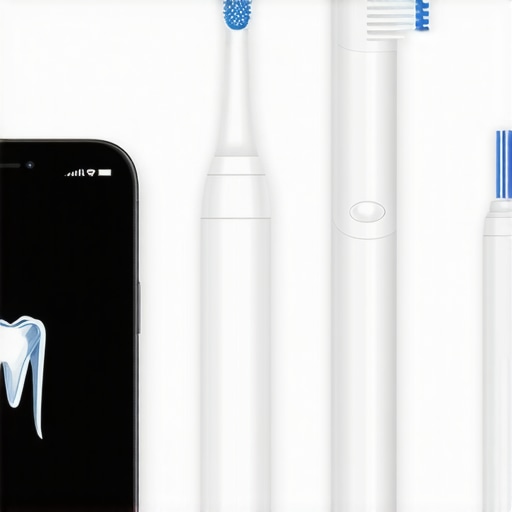
Lessons That Changed My Approach to Cosmetic Dentistry
- I used to think replacing a veneer was optional until I experienced staining that no whitening could fix, teaching me that longevity relies heavily on consistent care and awareness of material limits.
- Skipping routine checkups seemed harmless at first, but I found embedded plaque around my implants that compromised their lifespan, revealing how vital regular professional oversight is for durable results.
- I underestimated the importance of personalized product selection; switching to tailored toothpaste and antimicrobial rinses dramatically improved the health and appearance of my smile, proving customization is key.
My Top Tools and Resources for Dental Confidence
- Philips Sonicare DiamondClean Smart: I trust this electric toothbrush for its precise cleaning, especially around veneers and implants, helping me prevent damage and maintain brightness over time.
- Waterpik Aquarius Water Flosser: It simplifies flossing around fixed restorations, reducing plaque without risking damage—something I wish I had known earlier.
- Cosmetic Dentistry Secrets: This resource offers insights on maintaining and enhancing your smile’s beauty and function, curated by experts I respect.
- Veneers Transformation: Reading this helped me understand how proper maintenance can extend the life of veneers and avoid common pitfalls.
Your Smile’s Future Begins Today
Remember, your journey to a healthy, radiant smile doesn’t end with a perfect set of veneers or implants—it continues through diligent care, informed choices, and embracing technology that supports your ongoing confidence. Take actionable steps now, and let your smile reflect your best self for years to come. If you’ve experienced challenges or discoveries in maintaining your cosmetic dental work, I’d love to hear your story—share your insights below and join the conversation!