I still remember the moment I first noticed it—a subtle but persistent oddness when I smiled in the mirror. One of my dental implants felt significantly taller than my natural teeth, making me wonder if I had messed something up or if there was a hidden issue I didn’t understand. That realization was a real lightbulb moment for me, especially because I thought getting dental implants was straightforward—pop in a titanium screw, wait a few months, and be done.
But as it turns out, there’s more to the story, and that’s exactly what I want to share today. Have you ever experienced that strange height discrepancy with your dental implant? If so, you’re not alone, and more importantly, you’re not doomed to live with it. In this post, we’ll explore why your implant might feel taller and what practical steps you can take to fix it, based on years of experience—both personal and professional.
Understanding Why Your Dental Implant Feels Taller
First off, let’s talk about what causes this sensation. Often, it’s not that your implant has grown or shifted—it’s more about the way your bite, the surrounding tissues, and your other teeth interact. One common culprit is imbalance in the occlusion, which is essentially how your upper and lower teeth come together when you bite down. If an implant is slightly taller or placed at a different angle than your natural teeth, it can create a feel that something isn’t quite aligned, leading to that annoying height difference.
Another reason could be gum shrinkage or bone resorption around the implant site. Over time, the supporting bone can break down slightly, making the implant’s crown stand taller relative to neighboring teeth. It may sound counterintuitive, but sometimes, what feels like a ‘taller’ implant is actually a subtle loss of supporting tissue. Recognizing this is crucial because it influences whether you need a simple adjustment or a more involved procedure.
Early missteps can also contribute. For instance, I once ignored the importance of proper crown height during my initial implant planning, leading to persistent discomfort and the feeling of an uneven bite. That mistake taught me the value of precise measurements and thorough evaluation—skills every patient should look for in their dental provider. Want to learn about choosing the right cosmetic options? Check out our guide on [Veneers vs. Crowns](https://straightsmileortho.com/veneers-vs-crowns-which-is-right-for-your-smile), which highlights how different restorations impact appearance and function.
So, why does this matter right now? Because a feeling of imbalance can lead to jaw pain, uneven wear, and even damage to other teeth if left unaddressed. Addressing this early can save you from more invasive treatments later, and that’s where understanding the root causes becomes essential. There are solutions tailored to each specific issue, whether it’s a simple bite adjustment or a more complex graft. The good news? Many of these problems are fixable without extensive surgery or replacing your entire implant.
Now that we’ve demystified the why, the next step is learning how to correct it effectively. Ready for some practical tips? Let’s dive into what you, as a patient or even a curious friend, can do to ensure your implant feels natural and balanced—because you’re worth it.
Start with a Precise Bite Analysis
Schedule a comprehensive evaluation with your dentist to identify the specific cause of the height discrepancy. During the appointment, your dentist will examine how your teeth come together, focusing on occlusion and bite dynamics. I remember when I visited my dentist for this; we used articulating paper to pinpoint high spots on my crown, which immediately revealed the uneven contact causing the taller feeling.
Adjust the Crown for Natural Alignment
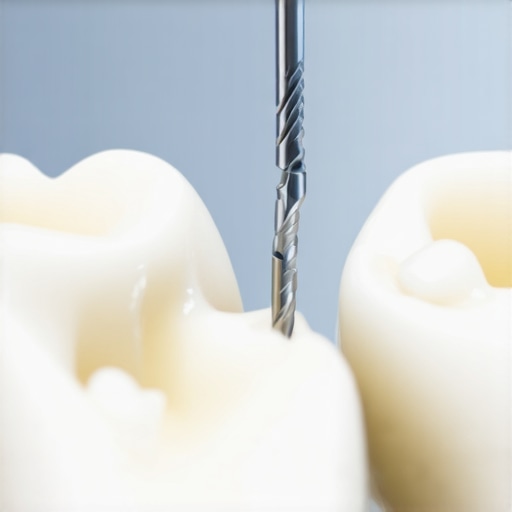
If the issue is a slightly taller crown, a minor occlusal adjustment can restore harmony. This involves carefully trimming small amounts of material from the crown’s top surface to match surrounding teeth. In my case, the dentist used fine diamond burs under magnification, taking tiny bites until my bite felt perfectly even. This process is quick and often resolves the problem without replacing the crown.
Take Care with Overzealous Trimming
Always trust a professional to perform adjustments; attempting to fix it yourself can cause damage. Remember, tooth structure is delicate—think of adjusting a custom-tailored suit; precision matters. I learned this the hard way when I attempted a DIY fix, leading to uneven trimming and the need for a new crown. Hence, professionalism is key here.
Address Supporting Tissues and Bone Level
If bone resorption or gum shrinkage contributes to the height difference, your dentist might recommend a soft tissue graft or bone contouring. These procedures can restore the natural tissue contour, making the implant feel more seamless. I’ve seen cases where minimal grafting improved not only the feel but also the aesthetic of the smile, emphasizing the importance of addressing tissue health.
Consider Bite Equilibration and Occlusal Therapy
For ongoing bite stability, occlusal therapy using a bite splint or occlusal adjustment can prevent future discrepancies. Wearing a night guard helped me distribute bite forces evenly and prevented my implant from feeling taller over time. Regular check-ups ensure your bite remains balanced, especially after adjustments.
Evaluate and Implement Perfect Restoration Choices
If adjustments are insufficient, discuss replacing the crown with a custom-fitted veneer or porcelain overlay that better matches your natural teeth. Learning about options like veneers or crowns from Veneers vs. Crowns can assist in understanding the best restoration for your case. I once opted for a custom veneer after an adjustment failed to solve the height issue, and the result was a natural feel and brightness.
Monitor Your Healing and Follow Up
Post-adjustment, keep track of how your bite feels during chewing and speaking. Regular follow-up visits allow your dentist to fine-tune the fit and ensure stability. It’s like tuning a musical instrument—you need to listen carefully and make minor tweaks for harmony. After my minor adjustments, I noticed immediate improvements, but ongoing evaluation solidified my comfort and function.
 When exploring cosmetic dentistry options like veneers or implants, many assume that their choices are straightforward or universally suitable. However, a common misconception is that these solutions are one-size-fits-all, leading to predictable results and satisfaction. In reality, there are nuanced factors, hidden pitfalls, and advanced considerations that can make or break your outcome. For instance, many patients overlook the importance of tissue compatibility for veneers, risking aesthetic issues or faster staining than expected. Furthermore, choosing the wrong material for dental implants without considering long-term biocompatibility can cause problems down the line, such as peri-implantitis or implant failure. Experts emphasize that understanding the subtle differences—like the types of porcelain used in veneers or the cutting-edge designs of bio-hybrid implants—is critical to making informed decisions. A Harvard study highlights that personalized treatment planning, tailored to individual oral microenvironments, significantly improves success rates in cosmetic procedures.
What Advanced Factors Should I Consider Beyond Surface Looks?
Digging deeper, one overlooked aspect is the impact of bite dynamics on the longevity and appearance of veneers and implants. Improper alignment or occlusal forces can lead to early chipping, uneven wear, or even implant loosening. Many assume that a perfect smile is purely aesthetic; however, functional harmony is equally vital. Skipping comprehensive bite analysis or underestimating the role of soft tissue health can result in costly revisions. To avoid these pitfalls, consulting with specialists who utilize cutting-edge diagnostic tools—like 3D imaging and digital occlusion mapping—is essential. These technologies help craft a restoration that not only looks stunning but also functions seamlessly for years to come. Additionally, some patients fall prey to DIY treatments or low-quality materials, thinking they can save money. This is a dangerous trap, as inferior materials may stain, fracture, or cause adverse reactions over time. Always prioritize quality and expert guidance; it’s an investment in your overall health and confidence. For more insights, explore our comprehensive guide on Veneers vs. Crowns and consider how personalized planning enhances results. Remember, rushing into cosmetic fixes without understanding these nuanced factors can lead to frustration and regret. So, do your homework and partner with experienced professionals who appreciate the complexity behind a beautiful smile.
Have you ever fallen into this trap? Let me know in the comments.Maintaining your dental restorations and implants isn’t just about good brushing—it’s about leveraging the right tools and methods for lasting results. I personally rely on a combination of advanced digital diagnostics and professional-grade equipment to monitor and preserve my smile over time. For example, I use a dental intraoral scanner like the Cerec system during routine check-ups, which allows me to get a 3D map of my oral tissues. This technology provides high-resolution images that help identify early signs of tissue breakdown or misalignment before they become noticeable issues. Incorporating such tools not only enhances the precision of diagnoses but also streamlines treatment adjustments, saving time and reducing discomfort.
Another device I recommend is the laser profilometer, which enables detailed measurement of enamel wear and plaque buildup. Regular assessments with this device can inform targeted cleanings, preventing decay around veneers or implants. While traditional floss and brushes are essential, integrating these high-tech diagnostics elevates your long-term care plan.
From a software perspective, digital health records and patient portals—like those offered by reputable dental practices—facilitate ongoing monitoring and personalized advice. These platforms help track your maintenance history and flag potential concerns early, ensuring proactive care. As technology advances, I predict an increasing role for AI-powered analytics that can predict deterioration trends based on your unique oral health data, allowing preemptive interventions.
So, how do I maintain my veneers or implants over time? The key lies in combining professional tools with consistent at-home habits. For instance, using a water flosser equipped with a pressure sensor can efficiently clean hard-to-reach areas while minimizing tissue damage. This kind of targeted cleaning is particularly beneficial near implants or porcelain veneers, safeguarding against periodontal issues and staining.
If you’re serious about protecting your investment in cosmetic or restorative dental work, I encourage you to try integrating these advanced tools into your routine. Regularly booking checkups that include digital diagnostics, like 3D imaging, can help catch problems early. Additionally, maintaining a meticulous oral hygiene regimen, supplemented with technology, will ensure your smile remains functional and beautiful for decades to come.
Looking ahead, the future of dental maintenance will likely incorporate even more sophisticated AI-driven diagnostics, allowing for predictive care tailored precisely to your needs. Staying informed about these innovations will keep your smile at its best.
To explore what cutting-edge diagnostic technology can do for you, schedule an appointment with a dentist who offers digital assessments. Remember, early detection is your best safeguard against long-term issues. For more insights on optimizing your smile’s health, check out our guide on cosmetic dentistry secrets and start taking proactive steps today.
The Hardest Lesson I Learned About Dental Implants and Veneers
One of the most striking insights I’ve gained is that even with careful planning, the outcome can still surprise you. For example, I once assumed that a well-placed implant would feel as natural as my original teeth. However, subtle misalignments or tissue variations can lead to unforeseen height discrepancies, reminding me that perfection isn’t always immediately achievable but always worth pursuing.
What I Wish I Knew About Personalizing Cosmetic Dentistry
Early in my journey, I underestimated the significance of tailored materials and techniques. Choosing the wrong shade or material can result in unnatural-looking veneers. I’ve learned that working with practitioners who utilize advanced digital diagnostics and customizable options ensures a result that truly fits your unique smile profile. This realization transformed my approach and outcomes, emphasizing the importance of personalized care.
How Prioritizing Tissue Health Saves Long-Term Hassle
Initially, I overlooked the vital role of supporting tissue and bone health. Neglecting these factors can cause height and aesthetic issues over time, leading to costly corrections. Regular assessments and minimal invasive procedures like tissue grafts or bone contouring can preserve and enhance your results, saving you from bigger problems down the line. Recognizing the importance of this has been a game changer for me.
Curated Resources for Your Smile Success
My go-to tools include the [Veneers vs. Crowns](https://straightsmileortho.com/veneers-vs-crowns-which-is-right-for-your-smile) guide for understanding restoration options, which helps in making informed choices. Additionally, I trust [family dentistry tips](https://straightsmileortho.com/family-dentistry-tips-for-a-lifetime-of-healthy-smiles) to maintain overall oral health and prevent issues before they arise. Finally, staying updated with the latest in implant technology at [how dental implants reshape your oral health in 2025](https://straightsmileortho.com/how-dental-implants-reshape-your-oral-health-in-2025) keeps me inspired to adopt innovative practices.
Your Smile Is an Investment—Act Accordingly
Remember, your journey with veneers and dental implants is personal and ongoing. Embrace the learning process, seek expert guidance, and use the right tools to support your goals. Don’t wait until small issues become big problems—taking proactive steps today will ensure a confident, healthy smile tomorrow. Are you ready to start your transformation or refine your current results? Share your experience below; I’d love to hear your story!
Comments are closed.