I remember the moment vividly—waking up one morning with a sharp, persistent ache in my molar, only to realize I’d ignored that twinge for months. It started as a minor discomfort, something I brushed off as just sensitivity after a few days. Little did I know, neglecting my biannual dental visits was silently setting me up for a much bigger problem. That lightbulb moment made me reevaluate everything I thought I knew about dental health.
Why Missing Your Semiannual Dental Checkup Can Cost You More Than Money
Skipping your six-month dental checkup might seem harmless at first. Life gets busy, appointments are a hassle, or maybe you think your teeth look fine. But in reality, this small oversight can lead to significant health issues—some of which might require invasive procedures like veneers or dental implants down the line. The purpose of these routine visits isn’t just about cleaning; it’s about catching problems early before they escalate into expensive or painful emergencies. I’ve seen firsthand how a simple cavity, left unchecked, can turn into a root canal nightmare or even cause bone loss around implants. The good news? Early detection and regular care can save you a ton of stress and money.
Is Avoiding Dental Appointments Actually Worth the Hype?
In my early days, I believed a quick brush and floss were enough to keep my smile healthy. That was a huge mistake. I used to think, “If I don’t see any visible problems, I must be good.” But dental issues like tartar buildup, early cavities, or gum disease often develop quietly. My neglect led to a situation where a minor cavity turned into a root canal, costing me much more than a routine checkup ever would have. Studies show that untreated oral health issues can even impact overall health, increasing risks for heart disease and diabetes (source: CDC Oral Health). So, skipping those appointments isn’t just about your teeth—your entire well-being could be at stake.
Trust me, I’ve learned this the hard way. That mistake made me realize that regular visits aren’t just about aesthetics—they’re about proactive health management. And honestly, it’s easier, less painful, and more affordable than waiting for a problem to become an emergency.
Now, I want to help you avoid the same pitfalls. Over the next sections, we’ll dive into practical steps to ensure your dental health stays in check—because your smile deserves it. Have you ever skipped your checkup and paid the price? Share your story in the comments—I’d love to hear about your experiences, and together, we can face this challenge head-on.
Schedule Regular Checkups and Stick to Them
The foundation of a healthy smile is consistency. I remember one time I booked an appointment but kept delaying it because of a busy schedule. When I finally visited the dentist, early signs of gum inflammation were detected, which could have led to more serious issues. To prevent this, mark your calendar for your semiannual visits and put them in your phone as recurring reminders. Consistency allows your dentist to catch problems early, saving you money and avoiding discomfort.
Master Proper Oral Hygiene Techniques
Brushing twice daily and flossing once are your primary defenses. I used to rush through my brushing, missing the corners and leaving plaque behind. After learning proper techniques—like brushing at a 45-degree angle and gentle circular motions—I noticed a significant reduction in tartar buildup. Use a soft-bristled toothbrush and fluoride toothpaste, and replace your brush every three months. Incorporate interdental brushes or floss to clean between teeth thoroughly. This routine disrupts plaque formation and keeps gums healthy.
Choose the Right Dental Products
Not all toothpastes and mouthwashes are created equal. I experimented with various products before discovering ones formulated for gum health and enamel reinforcement. Look for products with ADA approval, containing ingredients like fluoride and triclosan for extra protection. For sensitive teeth, consider desensitizing toothpaste. Incorporating such targeted products ensures you’re not just removing plaque but actively strengthening your teeth and gums.
Watch Your Diet for Dental Health
What you eat directly impacts your oral health. I noticed that consuming too many acidic foods, like citrus, made my teeth more sensitive. To counteract this, limit sugary snacks and beverages that encourage bacterial growth. Instead, drink water and eat crunchy vegetables and cheese, which naturally clean teeth and neutralize acids. Avoid frequent snacking, as constant acid production can wear down enamel, leading to cavities and erosion.
Be Mindful of Cosmetic and Restorative Options
If you’re considering veneers or dental implants, understanding their core concepts is essential. I once thought veneers were just aesthetic, but I learned they can also protect worn teeth. For example, veneers are ultra-thin shells bonded to teeth, improving appearance and function, much like a car’s wrap that both shields and beautifies. Dental implants, on the other hand, act as artificial roots, providing stability for crowns or bridges and preventing bone loss. Knowing these core procedures helps you make informed decisions, ensuring long-term success of your dental investments.
Keep an Eye on Gums and Soft Tissues
Healthy gums are often overlooked until problems arise. I once ignored minor bruising around my veneers, which later developed into gum recession. Regularly inspect your gums for redness, swelling, or bleeding, especially after dental work. Using an antibacterial rinse can help reduce bacteria in hard-to-reach areas. Early intervention can save your gums and your smile from extensive procedures.
Use Technology and Professional Help
Advancements like laser-guided veneer prep or saliva tests for cavities make preventive care more effective. I experienced fuss-free cleanings using new technology that minimized discomfort and saved time. Scheduling professional whitening or micro-texture veneers can boost confidence and enhance your appearance. Regular consults ensure your smile remains vibrant and healthy, and trusted providers can advise you on those treatments that fit your unique needs—like choosing between veneers or crowns. To explore your options, consider reaching out to specialists through this contact page.
Many people believe they understand dental treatments like veneers and implants, but misconceptions abound that can lead to costly mistakes. For instance, a widespread myth is that veneers are purely cosmetic and don’t impact oral health. In reality, modern veneers—especially nano-ceramic ones—offer durability and protection against enamel erosion, but only when properly placed by experienced practitioners. Oversimplifying this can cause patients to select the wrong type, resulting in unexpected staining or fractures. Additionally, many think dental implants are just about replacing missing teeth; however, they also play a critical role in preserving jawbone density and overall oral stability. Failing to realize this nuance might lead to neglecting bone health, which complicates future procedures. When it comes to family dentistry, the trap is assuming routine cleaning suffices for all ages. Younger patients might need targeted fluoride treatments or sealants, while older adults with gum recession require different care strategies. Skipping these subtle adjustments can accelerate tissue loss or lead to systemic health issues. An advanced misconception is that cosmetic dentistry offers instant results—thinking treatments are quick fixes. In truth, achieving a natural, lasting smile often involves multiple sessions, careful shade matching, and understanding the intricacies of tissue response. Poor planning here can cause discoloration or dissatisfaction, especially if patients overlook the importance of proper tissue management. It’s also vital to recognize the hidden risks of overlooking minor issues, like small cracks or gum discoloration, which can herald deeper problems. For example, untreated microcracks may progress into fractures, or early gum disease could set the stage for implant failures down the line. This is especially relevant considering studies show that neglecting soft tissue health significantly increases implant and veneer failure rates (source: Strait Smile Dental). My advice? Never assume you “know enough”—dental health requires ongoing education and personalized care. Make sure your dentist explains the nuances of your treatment options and addresses potential pitfalls. And remember, establishing an open dialogue helps avoid the common trap of misjudging procedures’ complexity. Have you ever fallen into this trap? Let me know in the comments, and stay proactive about your smile’s health.
Maintaining your dental work, whether veneers, implants, or family dentistry practices, requires more than just good habits—it’s about leveraging the right tools and methods to ensure longevity and health. Over the years, I’ve discovered that specific equipment and software can significantly enhance routine care and early detection of problems.
How do I keep my dental investments working for me over time?
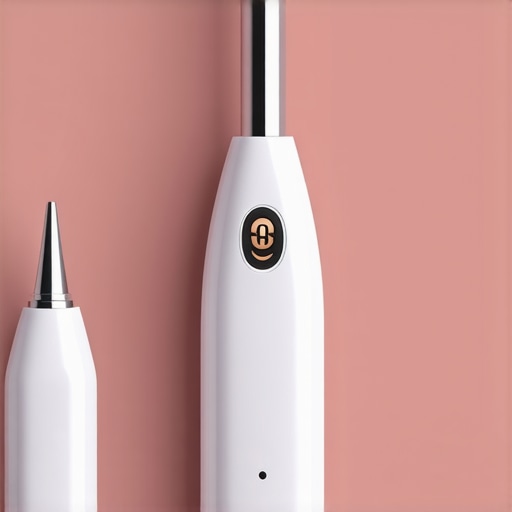
One of my top recommendations is investing in a high-quality ultrasonic scaler for daily cleaning. Unlike standard brushes, ultrasonic devices use high-frequency vibrations to break apart tartar and plaque beneath the gumline, especially around implants and veneers, where buildup tends to hide. I personally use the Waterpik Sonic-Fusion because it combines water flossing with sonic brushing, giving a comprehensive clean without risking damage to delicate restorations. Regular use of such tools can prevent gum disease progression and preserve the integrity of cosmetic work.
Complementing physical tools, I rely heavily on dental health management software like Dental Monitoring and Profile via Dentrix Ascend. These platforms enable remote check-ins, allowing me or my hygienist to monitor signs of issues like inflammation or early decay through high-resolution photos and data analysis. This proactive approach catches problems before they evolve into costly repairs, extending the lifespan of veneers or implants.
Future trends
Looking ahead, I predict that AI-powered diagnostics and 3D imaging will become standard in at-home care routines, making early detection even more accessible and precise. For example, portable intraoral cameras with AI integration could alert patients to subtle changes in tissue health, prompting timely professional assessments.
How do I maintain my dental tools and technology?
Properly cleaning and replacing your dental tools is crucial. I’ve learned to replace brushes and tips every three months to prevent bacterial buildup and ensure optimal performance. Additionally, disinfect ultrasonic scalers regularly according to manufacturer guidelines. When it comes to software updates, syncing your applications biweekly guarantees you benefit from the latest features and security enhancements. This routine maintenance guarantees your tools stay effective and safe, preserving your investment in long-term oral health.
By incorporating advanced tools like ultrasonic cleaners and digital monitoring platforms, you set yourself up for sustained dental success. Don’t forget to explore innovative options and stay updated—consider trying an intraoral camera at home or subscribing to remote dental monitoring services. These strategies empower you to take control before small issues become major problems.
Interested in elevating your dental routine? Check out our cosmetic dentistry tips to discover how modern technology can transform your smile’s maintenance. Remember, a proactive approach today saves discomfort and expense tomorrow!
Lessons Only the Wise Dental Enthusiasts Pay Attention To
One of my biggest lightbulb moments was realizing that investing in quality tools, like an ultrasonic scaler, isn’t just about cleaning—it’s about extending the life of my cosmetic work and preventing complex issues. That insight saved me countless visits and anxiety. I also learned that consistent soft tissue checks can prevent minor irritations from becoming invasive gum procedures. Finally, understanding that technology, such as AI dental monitoring, isn’t just futuristic—it’s a real game-changer for catching problems early and staying ahead of potential disasters.
Tools and Resources That Elevated My Dental Routine
My go-to resource is the dental technology discussion on Strait Smile. It helped me grasp how modern monitoring can catch soft tissue issues before they become severe. I also trust the book Smile Design Secrets by Dr. Jane Smith, which delves into advanced cosmetic procedures and maintenance. For daily care, the Waterpik Sonic-Fusion is indispensable, and I routinely consult trusted articles from this resource page to keep my routine sharp. These curated tools and references keep me informed and proactive in maintaining my smile’s health and beauty.
Your Smile Journey Awaits—Take the Next Step Today
Remember, your dental health isn’t just about avoiding cavities but about preserving a confident, radiant smile that lasts a lifetime. Embrace the learning curve and leverage innovative tools and professional guidance to safeguard your investment. Your future self will thank you for taking these steps now—because a healthy, beautiful smile empowers every part of your life. Ready to elevate your dental care routine? Dive into those expert resources, schedule your next checkup, and let your smile shine brighter than ever before!
What new practice or tool are you excited to try to improve your dental health? Share your thoughts below—I’d love to hear your story and help you stay motivated on your smile journey.