I remember the moment vividly. I had just left my dentist’s office after what I thought was a routine veneer appointment, only to notice something strange—my new teeth felt gritty, almost like tiny sandpaper patches against my tongue. At first, I thought it was just the gloss wearing off, but it persisted. That lightbulb moment made me realize: my beautiful veneer smile was starting to feel rough on the edges, and I was worried. If you’ve experienced this or are noticing uneven sensation in your veneers, you’re not alone. Many people face this issue, and understanding why it happens can save you a lot of frustration.
Why Do Veneers Start Feeling Rough or Edgy?
Veneers are designed to be durable and natural-looking, but over time, they can develop rough edges or a gritty sensation. This isn’t necessarily a sign of disaster but warrants attention. Several factors can contribute to this feeling, from natural wear and tear to habits like teeth grinding. Often, the problem is rooted in the material properties of your veneers or how they interact with your daily habits.
One common cause is the gradual roughening of the veneer surface due to tiny micro-abrasions. These can result from consuming acidic foods, dark beverages, or even improper brushing techniques. Additionally, the cement layer that bonds veneers to teeth can degrade over time or wear unevenly, leading to a rougher edge or slight chipping. It’s also worth noting that aggressive brushing or using abrasive toothpaste can accelerate surface degradation.
Early in my journey, I made the mistake of thinking that a rough veneer was just a cosmetic issue that would wear down with time. I ignored it for months, which only exacerbated the problem. This is a mistake I advise everyone against, as addressing the issue early can prevent more invasive repairs later. Moreover, neglecting the roughness can lead to plaque accumulation or gum irritation, further complicating your oral health.
The good news? There are effective solutions to smooth out those rough edges and restore comfort. In upcoming sections, I’ll guide you through practical steps, from professional interventions to proper maintenance, to keep your veneers feeling sleek and natural. But first, let’s tackle the most common questions and concerns many people share about this issue.
Make an Appointment with Your Dentist ASAP
When you notice rough edges on your veneers, schedule a professional checkup immediately. Think of your veneers like a delicate car paint job—over time, tiny scratches or chips can develop, requiring expert polishing. Contact your dentist through this contact page to set up a consultation.
Identify the Exact Problem Areas
During your visit, your dentist will examine whether the roughness is superficial or indicates a deeper issue. Visual inspection is like using a magnifying glass on a painting; it helps spot micro-abrasions or micro-chips that need addressing. If needed, they’ll use special tools to feel for uneven edges or tiny cracks.
Evaluate Options for Smoothing
Based on the diagnosis, your dentist might choose conservative polishing or minor reshaping. Think of this process as sanding a piece of wood—gently removing rough patches to achieve a smooth finish. For minor issues, professional polishing is often enough and prevents unnecessary removal of material. If more extensive reshaping is required, the dentist will carefully prepare the veneer surface.
Perform Gentle Polishing to Restore Smoothness
This is the most common and least invasive method. The dentist uses fine polishing burs or disks to buff out micro-roughness, just like buffing out scratches on a smartphone screen. It restores the veneer’s sleek texture without altering the shape or shade significantly. I once watched a colleague perform this on a patient—and within minutes, the rough patches disappeared, and the patient left smiling comfortably.
Reshape When Necessary for Better Fit
If the rough edge is caused by a slight misfit or chip, the dentist might need to reshape the veneer margin. This is akin to trimming a frayed wire to prevent further damage. Precise adjustments ensure the veneer sits perfectly against the tooth surface, improving both appearance and comfort. Remember, reshaping should always be performed by a skilled professional to avoid damage.
Address Underlying Causes to Prevent Future Roughness
After smoothing, discuss habits that could lead to future wear or roughening. For example, if you grind your teeth at night, consider using a night guard. Maintaining proper oral hygiene with non-abrasive toothpaste and gentle brushing techniques is like giving your veneers a daily spa treatment—preserving their smooth finish.
Follow Up and Maintenance
Regular dental checkups are essential. Schedule routine visits, and ask your dentist about professional cleanings that preserve your veneers’ surface. Think of this as getting regular car washes—they keep your investment looking pristine for years. I recommend referring to this article on restoring veneer gloss for additional insights.
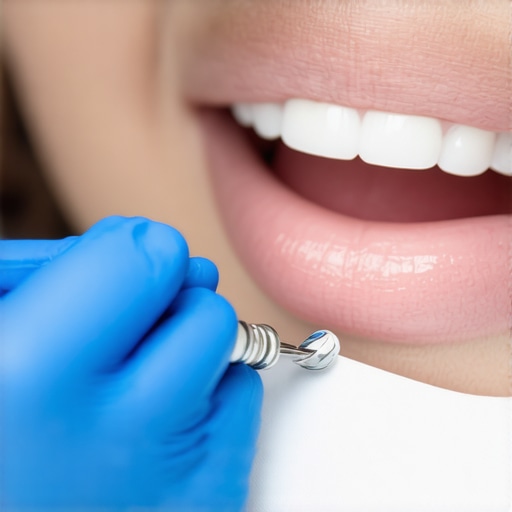 Many assume that cosmetic and family dentistry are straightforward paths to a perfect smile, but there are hidden nuances that can trip up even experienced patients. For example, a common myth is that veneers are impervious to damage, leading people to neglect proper maintenance. In reality, veneers have their vulnerabilities—like micro-abrasions from acidic foods—that require advanced understanding to prevent long-term issues. Another misconception involves dental implants: some believe they are a one-size-fits-all solution, but the success of implants depends heavily on factors like bone density and precise placement, which only a seasoned specialist can optimize. Misjudging these aspects can lead to complications such as implant failure or bone loss. For advanced patients, understanding these complexities is crucial to making informed decisions. The key is recognizing that each smile transformation involves nuanced choices; for instance, choosing between veneers and crowns isn’t merely aesthetic but involves a detailed assessment of your bite, enamel health, and long-term goals, as explained in this insightful comparison of veneers versus crowns. Moreover, many underestimate the importance of addressing underlying issues, like bite alignment or gum health, before proceeding with cosmetic treatments. Ignoring these factors can result in costly corrections down the line. I’ve seen patients rush into veneer placement without proper consultation, only to face uneven wear or sensitivity that could have been avoided with a comprehensive treatment plan. For those considering dental implants, understanding the latest innovations is vital. For example, bio-hybrid implants are reshaping expectations, offering longer-lasting, more natural integration with jawbone tissues, as detailed in this study on bio-hybrid technology. It’s a mistake to focus solely on the immediate aesthetic outcome without considering these advanced factors that impact durability and health. If you’re contemplating veneers or implants, remember that choosing a provider with a nuanced understanding of these details significantly increases your chances of long-term satisfaction. Do not fall prey to over-simplified advice; instead, educate yourself on the intricacies that differentiate a good outcome from a great one. Have you ever fallen into this trap? Let me know in the comments and share your experiences.Maintaining your cosmetic dental work such as veneers, implants, and whitening results requires the right tools and consistent care. I personally swear by using ultrasonic toothbrushes with soft bristles, like the Sonicare ProtectiveClean 6100, because they gently but effectively remove plaque without damaging delicate surfaces. Additionally, applying interdental brushes and water flossers, like theWaterpik Ultra, can reach areas traditional floss may miss, especially around dental implants and veneers. Regular professional cleanings with laser technology can preserve micro-texture details, preventing surface roughening, as discussed in this recent study on laser efficacy in micro-texture preservation (https://straightsmileortho.com/4-ways-2026-micro-texture-veneers-stop-that-fake-shine). These tools help extend long-term results by preventing plaque buildup and surface degradation, which leads to premature wear or staining. Looking ahead, the future of dental maintenance seems poised to incorporate even smarter devices—imagine AI-powered toothbrushes that provide real-time feedback on technique or implants equipped with sensors that monitor integration status—making upkeep more precise and less manual.
How do I maintain my veneers and implants over time?
Regular checkups are crucial, but beyond that, I advise integrating advanced tools into your daily routine. For example, I recommend trying out my favorite sonic toothbrush and interproximal cleaning devices to keep your smile pristine. Periodic professional polishing using cutting-edge equipment ensures your veneers stay smooth and micro-texture details are preserved, which is essential for avoiding a fake plastic appearance. Combining these practices with a balanced diet and lifestyle habits, such as avoiding acidic foods and quitting smoking, will maximize your longevity. Remember, your tools aren’t just devices—they’re investments in your confidence and oral health. To explore more about boosting your smile’s durability, check out this article onsecrets to boost your confidence through regular maintenance (https://straightsmileortho.com/cosmetic-dentistry-secrets-to-boost-your-confidence). Incorporate advanced cleaning equipment, and you’ll be surprised how your smile retains its stunning look for years to come. Ready to take your maintenance routine to the next level? Start by investing in a sonic toothbrush with pressure sensors—it’s a small upgrade that makes a huge difference!
The Hardest Lesson I Learned About Cosmetic Dentistry and Dental Implants
One crucial insight I gained over years of working with patients is that maintaining your smile is a continuous journey, not a one-time fix. Many assume that once they have veneers or implants, their part is done; however, I learned that proactive care and understanding potential pitfalls are essential to prevent costly repairs and discomfort down the line.
Tools and Resources That Changed My Approach to Smile Care
To truly get the most from your cosmetic dentistry, I rely on a select few tools and resources: First, the Secrets to Boost Your Confidence guide offers strategies for long-term maintenance. Second, high-quality ultrasonic toothbrushes like the Sonicare ProtectiveClean ensure gentle yet deep cleaning around veneers and implants. Third, professional laser cleaning technologies help preserve surface textures, preventing that fake-shine effect. Lastly, staying informed through trusted articles and consultations keeps my practice—and your smile—at its best.
Comments are closed.