
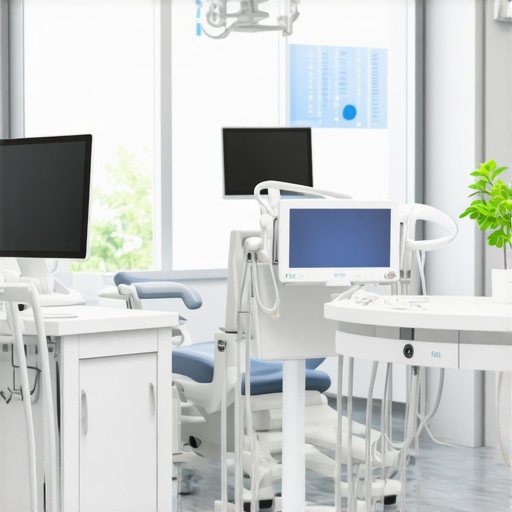
Walking into my dental office one morning, I was greeted by a patient who looked entirely different — she was smiling broadly, confidently, without hesitation. But beneath that radiant smile was a story of frustration: her previous visits had often felt rushed, impersonal, and full of outdated technology that left her feeling like she was just another number. That moment hit me hard. I realized that staying ahead in family dentistry isn’t just about the latest whitening gel or the newest veneer — it’s about embracing technology that truly elevates patient experience and enhances outcomes.
Why Upgrading Tech Is a Must for Modern Family Dentistry
In today’s competitive dental landscape, patients are more informed and discerning than ever. They crave convenience, transparency, and results that can rival cosmetic procedures they see online. But here’s the truth many dental practices overlook: investing in cutting-edge technology isn’t just a fancy addition — it’s a necessity. According to a recent survey, 78% of patients would choose a practice that offers advanced diagnostic tools or digital impressions over traditional ones. This shift isn’t just trend-driven; it’s a response to our digital-first world.
Early in my career, I made a costly mistake. I invested heavily in new veneers and whitening systems, thinking they would attract more clients. But I underestimated the importance of seamless communication and diagnostic precision. My practice’s outdated equipment led to longer procedures, higher retake rates, and patient dissatisfaction. It was a wake-up call that digital tools and modern tech can mean the difference between a thriving practice and one struggling to keep up.
Are you facing similar challenges? Maybe your patient flow has slowed, or you’re noticing that younger families prefer practices with state-of-the-art technology. If so, don’t worry. We’ll explore the five essential tech upgrades your practice must adopt by 2026 — because the right tools can make your practice not just competitive, but a leader in quality care and patient trust.
Start with a Clear Technology Roadmap
Identify your practice’s key areas needing upgrade, such as digital impressions, 3D imaging, or laser diagnostics. Think of it like planning a renovation: you wouldn’t tear down walls randomly. I once mapped out my tech needs and prioritized by patient impact, which helped me allocate budget wisely and avoid costly mistakes.
Invest in User-Friendly Solutions
Select equipment that integrates seamlessly into your workflow. For example, when I chose a digital scanner, I looked for one that was intuitive, reducing learning curves and downtime. Remember, complex tech that confuses staff can slow down your entire process, defeating its purpose. I trained my team in stages, starting with basic functions, then advancing to complex features, which drastically improved efficiency.
Train Your Team Effectively
Don’t assume your staff will naturally adapt. Schedule hands-on workshops and encourage experimentation. I hosted weekly mini-sessions, which minimized frustration and built confidence. Better trained staff deliver faster, more accurate diagnostics, directly influencing patient satisfaction.
Integrate Tech into Patient Communication
Use advanced tools to explain procedures visually. During a case I handled, I used an intraoral camera to show a patient her cavity in real-time. This transparency fostered trust and compliance. Incorporate before-and-after images from procedures like veneers here to highlight your capabilities.
Leverage Data for Continuous Improvement
Track outcomes and patient feedback related to new technology. I kept detailed records of patient satisfaction pre and post tech upgrade, which revealed surprising insights and justified further investments. Analytics help you adjust workflows and ensure your tech truly benefits your practice.
Maintain and Update Equipment Regularly
Schedule routine check-ups and software updates to keep everything running smoothly. I experienced a sudden crash before a major appointment due to outdated software. A scheduled maintenance plan saved me from that embarrassment. Staying current prolongs equipment lifespan and maintains diagnostic accuracy.
Stay Informed About Emerging Tech Trends
Continuously research innovations like AI diagnostics or 3D printing. I dedicated 30 minutes weekly to industry webinars and newsletters, which helped me stay ahead. This proactive approach allowed me to implement new tools ahead of competitors, enhancing patient care and practice reputation.
While many patients focus on the immediate aesthetic benefits of veneers and cosmetic procedures, few understand the complex nuances that can make or break their long-term satisfaction. A common myth is that veneers are a permanent, low-maintenance fix, but in reality, the longevity and natural look depend heavily on proper planning and execution. In my experience, rushing into a veneer placement without a comprehensive understanding of your bite dynamics can lead to uneven wear, chipping, or even necessitate full replacement sooner than expected. For example, a study published in the Journal of Esthetic & Restorative Dentistry highlights that occlusal issues are often overlooked during veneer planning, resulting in failure down the line. Hence, working with an expert who considers these factors is crucial.
Are Veneers Always the Best Choice for a Dazzling Smile? A Closer Look at Alternatives
Many assume that veneers are the go-to solution for instant smile makeovers, but sometimes, options like full crowns or orthodontics may offer better, more durable results. Each case demands a nuanced assessment of the patient’s occlusion, enamel health, and aesthetic goals. For instance, if a patient has significant wear or misalignment, veneers alone might not suffice, and a combined approach could be more beneficial. This is precisely why consulting a specialist versed in both cosmetic and functional dentistry is essential — they can develop a tailored plan that balances beauty with function. For insights on achieving natural results, explore my detailed guide on cosmetic dentistry secrets that can elevate your confidence.
Another critical misconception involves the durability of dental implants versus traditional dentures. Many patients believe implants require minimal maintenance, but neglecting routine care can lead to peri-implantitis and eventual failure. Proper hygiene, regular professional cleanings, and timely check-ups are vital for long-term success, as emphasized in the expert implant guide. Recognizing these subtleties allows you to make informed decisions that preserve your oral health and confidence for years to come.Maintaining your dental equipment is crucial to ensuring consistent, high-quality patient results and protecting your investment. I personally rely on a strict scheduled maintenance plan that includes routine calibration, timely software updates, and careful sterilization practices. For example, I use the *Dentsply Sirona Sirona Connect* software, which automatically prompts me for updates, ensuring my digital imaging tools stay current and bug-free. Regular calibration of digital X-ray sensors prevents image distortion, which can compromise diagnosis. Additionally, inspecting handpieces daily, lubricating them as per manufacturer instructions, and replacing worn parts mitigate unexpected breakdowns. When it comes to sterilizers, I trust *Midmark 90L UltraClave* units because they provide reliable sterilization cycles verified by biological indicators, essential for patient safety. To streamline documentation and scheduling maintenance tasks, I employ *Dentrix Ascend* — the integrated practice management system that alerts me when equipment is due for servicing or calibration. Looking ahead, I believe AI-powered diagnostics will soon integrate directly with maintenance systems, predicting equipment failures before they happen, akin to predictive analytics used in industrial settings. This proactive approach minimizes downtime and costly repairs.
How do I maintain my dental tools over time?
Regularly scheduled preventive maintenance is the backbone of long-term tool performance. Establish relationships with trusted service providers who can perform certifications, repairs, and deep cleanings, and keep detailed records of each service to track wear patterns. Investing in quality sterilization equipment and adhering to strict protocols not only prolongs equipment lifespan but also safeguards patient health. For all clinicians committed to excellence, implementing a comprehensive maintenance routine is non-negotiable. Don’t forget to document and review your maintenance schedules periodically to identify recurring issues and adjust practices accordingly. If you’re ready to elevate your tool care, start by adopting the practice of weekly handpiece lubrication and monthly sensor calibration — small steps that yield big results. To further optimize your practice, consider integrating *Dentsply Sirona Connect* software for seamless updates and diagnostics, ensuring your equipment operates at peak efficiency. For a detailed guide, visit the expert resources on professional maintenance practices and stay ahead in your field.
Three Surprising Truths I Discovered About Modern Dental Tech
Initially, I believed that owning the latest equipment alone would elevate my practice, but I soon realized that understanding the true capabilities and limitations of these tools is crucial. One lightbulb moment was discovering how digital impressions can save hours of appointment time and reduce patient discomfort—something no brochure can fully convey. Another lesson was that technology should serve as an extension of your clinical skills, not replace the nuanced judgment only experience grants. Lastly, I learned that investing in staff training on new tech dramatically amplifies its benefits, turning a good practice into an exceptional one.
My Go-To Resources for Keeping Ahead in Dentistry
The first must-have toolkit I’ve relied on includes industry-leading webinars from the American Dental Association, which keep me informed about emerging trends like AI-driven diagnostics—trustworthy and regularly updated. For comprehensive insights on practice management, I consult ‘The Dental Practice Bible,’ a resource that merges tech integration with business growth strategies I’ve found invaluable. When exploring new equipment, I turn to www.dentaleconomics.com for honest reviews and case studies from practitioners who’ve ‘been there, done that,’ helping me make informed purchasing decisions. Lastly, I subscribe to newsletters from dental technology innovators like Dentsply Sirona, ensuring I stay ahead of the curve with the latest innovations like 3D printing for crowns and bridges.