Ever felt that strange jolt of disappointment when biting down on your perfect smile, only to realize your clear aligners aren’t sitting quite as they should? I remember the first time I noticed my aligners seemed a bit off; it was a tiny pinch, but enough to send me into a mini panic. It made me wonder: Am I doing something wrong? Or worse, are my aligners not working as promised? If you’ve ever experienced that moment of doubt, you’re not alone.
Why Proper Seating of Your Aligners Matters
Is Your Confidence Worth the Risk of Poor Fit?
When I first started my orthodontic journey, I thought that the aligners simply needed to be worn consistently. Turns out, their fit is just as crucial as wear time. Ill-fitting aligners can slow down progress, cause discomfort, or even lead to new bite issues. Early missteps, like forcing a stubborn aligner or ignoring minor discomforts, can make all the difference in your final results.
According to recent research, a misfit aligner can compromise treatment by up to 30%, potentially extending the timeline and impacting efficacy. That’s why learning to spot the signs early can save you days—or even weeks—of unnecessary hassle.
Personally, I made the mistake of ignoring slight rubbing at first. I thought my aligners just needed a bit more time to settle. But it turned out that improper seating was a red flag for underlying issues that would have become bigger problems down the road.
Have you experienced that sense of something just being off with your aligners? Maybe they feel tighter than usual, or perhaps they don’t snap into place no matter how many times you try? If so, stay tuned. We’ll uncover the five key signs your aligners aren’t seated properly and what you can do about it. This knowledge could be your secret weapon to a smoother, faster smile transformation. Next, let’s explore how to identify these signs before they turn into bigger issues.
Inspect Your Aligners Closely
Begin by examining your aligners in good lighting, preferably in front of a mirror. Look for any visible warping, cracks, or debris that might prevent proper fit. I once noticed a slight bend at the edge of my aligner after a night of sleeping with a tight fit; cleaning it gently with warm water and a soft brush helped restore its shape. Keeping your aligners clean and undamaged is essential for proper seating.
Clean and Prepare Your Teeth
Ensure your teeth are spotless before trying to seat your aligners. Brush and floss thoroughly, paying special attention to areas that might trap the aligner. I found that a quick flossing session made a noticeable difference—removing plaque or food particles that could interfere with alignment. Clean teeth facilitate better fit and reduce discomfort.
Use Gentle Heat to Reshape Slight Warping
If your aligner appears warped, carefully applying gentle heat can help. Fill a bowl with warm (not hot) water—think of it like a mini sauna for your aligner. Submerge the aligner for a minute, then quickly remove and gently reshape it with your fingers. I once used this method when my aligner felt slightly off after a week of use; it temporarily softened the plastic, allowing me to correct minor distortions. Be cautious not to overheat or bend too forcefully, as this may damage the aligner.
Check Your Bite and Seating Position
Place the aligner onto your teeth and gently press to seat it fully. Use a mirror to verify that it snaps into place evenly. If it doesn’t seat fully, try pressing down on the edges with your fingers or a clean, soft cloth—think of it as pressing a puzzle piece into position. I once struggled with a stubborn aligner and found that gently pressing all around helped it seat correctly without excessive force.
Apply Light Pressure for Better Fit
If the aligner still feels tight or loose in spots, use your fingers to gently press along the edges, encouraging proper seating. Avoid forcing or biting down hard, as this could cause damage. I learned that patience and gentle adjustments prevented unnecessary cracks and ensured the aligner fit snugly, optimizing treatment progress.
Use Chewing Gum or Label Tape as Guides
In some cases, slight resistance may indicate misalignment. Lightly biting into sugar-free chewing gum can help seat the aligner evenly, like pressing puzzle pieces into their slots. Alternatively, placing small pieces of painter’s tape on the aligner’s edges can serve as visual cues for even seating. I employed these tricks when my aligner was slightly too tight and they made the fitting process smoother.
When to Seek Professional Help
If these steps don’t resolve the fit issues, don’t force it. Damaged or significantly warped aligners require professional attention. Contact your orthodontist or dentist promptly—visit here for assistance. They might recommend remaking the aligner or adjusting your treatment plan. Remember, attempting to fix severe issues at home can lead to delays or additional costs, so expert guidance is best for serious problems.
Many people believe that cosmetic dentistry and dental implants are straightforward solutions that will instantly perfect their smile. However, the reality is far more nuanced. One common myth is that veneers can solve all aesthetic concerns without considering the long-term implications. In fact, choosing between veneers and crowns requires understanding the nuanced differences—details you can explore in our article on [Veneers vs. Crowns](https://straightsmileortho.com/veneers-vs-crowns-which-is-right-for-your-smile).
Another misconception is that dental implants are maintenance-free. While implants are durable, they demand meticulous oral hygiene to prevent peri-implantitis, an inflammatory condition that can jeopardize the replacement, as supported by recent studies in “The Journal of Clinical Periodontology.” Overlooking these maintenance needs is a common pitfall that can lead to implant failure, an outcome that many patients don’t anticipate.
What are the Advanced Pitfalls in Family Dentistry
Many assume that regular cleanings are all that’s needed for lifelong dental health. Yet, overlooking personalized care plans or failing to address specific risk factors—such as dry mouth or bruxism—can undermine the effectiveness of standard treatments. Our guide on [Family Dentistry Tips](https://straightsmileortho.com/family-dentistry-tips-for-a-lifetime-of-healthy-smiles) emphasizes the importance of tailored dental approaches that go beyond routine cleanings.
Furthermore, the allure of quick cosmetic fixes can distract from the importance of functional health. For instance, opting for veneers purely for appearances without considering bite harmony can lead to uneven wear or jaw pain. This is where understanding the intricate balance between aesthetics and function becomes critical, and consulting with an experienced specialist—like those detailed in our [Cosmetic Dentistry Secrets](https://straightsmileortho.com/cosmetic-dentistry-secrets-to-boost-your-confidence)—can prevent costly mistakes.
Voyaging into the domain of advanced dental procedures, questions often arise about longevity and natural feel. For example, some patients wonder if implant-supported dentures provide the same comfort as natural teeth. While innovations have significantly improved implant technology, nuances such as bone preservation and proprioception still matter. For insights into how dental implants are reshaping oral health, check out [How Dental Implants Reshape Your Oral Health](https://straightsmileortho.com/how-dental-implants-reshape-your-oral-health-in-2025).
It’s also crucial to recognize that the success of cosmetic treatments hinges on proper diagnosis and individualized planning. Assuming a treatment plan suitable for one patient will work for another is a dangerous oversimplification. Engaging with a team of experts who prioritize personalized care—and understanding the subtle factors influencing treatment outcomes—can make all the difference. Have you ever fallen into this trap? Let me know in the comments.Maintaining your dental appliances and cosmetic enhancements requires more than just regular brushing; it calls for precision tools and smart strategies. Personally, I rely on specific equipment like dental cleaning magnifying glasses which I find invaluable for inspecting aligners and veneers closely. These glasses, equipped with LED lights, help me spot tiny cracks or debris that could hinder fit and longevity, ensuring I catch issues early. Additionally, investing in a high-frequency ultrasonic scaler for at-home cleaning has significantly reduced buildup without damaging delicate materials like veneers or implants. These tools not only extend the lifespan of your restorations but also preserve their aesthetic appeal. Looking ahead, the trend is moving towards digital monitoring systems that track wear and fit over time, integrated with smartphone apps, making maintenance more proactive and less guesswork. Curious about how to make your cosmetic improvements last longer? Regular check-ups combined with these advanced tools can dramatically enhance results.
How do I maintain my dental enhancements over time?
Using a combination of professional cleanings, thoughtful daily habits, and specialized equipment ensures longevity. For instance, I recommend trying a dental hygiene kit that includes interdental brushes suitable for cleaning around veneers and implants—these are gentle yet effective in removing plaque where traditional brushes might miss. Also, consider incorporating a polishing paste designed specifically for cosmetic surfaces; it helps keep veneers bright and smooth, preventing staining and roughness. To keep tabs on your progress, some smart sensors now monitor the fit of your aligners or veneers and alert you to potential issues before they become problematic. In the future, I believe this integration of科技 and home care will make ongoing dental maintenance seamless and more efficient, reducing the need for frequent trips to the dentist and ensuring your smile remains stunning long term.
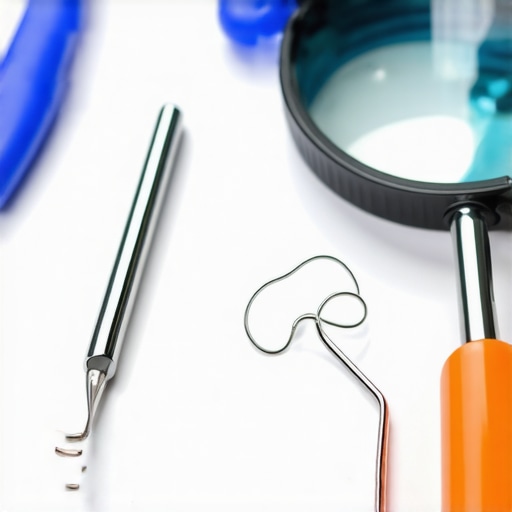
Remember, clean, well-maintained restorations boost confidence and ensure that your investment in cosmetic dentistry continues to pay off. For more tips on caring for your smile, visit our [Family Dentistry Tips](https://straightsmileortho.com/family-dentistry-tips-for-a-lifetime-of-healthy-smiles) page and discover how professional guidance combined with the right tools can make all the difference. Ready to elevate your maintenance routine? Pick one new tool or habit today—your smile deserves it.
What I Wish I Had Known Before My Smile Makeover
One of the biggest lessons I learned is that the real power of a beautiful smile lies in understanding the nuances of each treatment option. For example, I used to think veneers could fix everything instantly, but I underestimated the importance of choosing the right material and understanding their long-term care. That lightbulb moment made me realize that personalized treatment plans and ongoing maintenance are essential for lasting results.
Another insight is that dental implants are more than just replacements—they can preserve bone and improve overall oral health if properly integrated into your dental routine. My mistake was neglecting regular check-ups, which led to avoidable complications. Now, I know that consistent professional guidance paired with the right tools helps keep my smile shining bright.
The most surprising lesson was how deeply functional health and aesthetics are intertwined. I once believed that perfect straight teeth were enough, but overlooking bite harmony and jaw health can cause discomfort and undo all cosmetic efforts. Balancing beauty and function is truly where mastery comes in, and partnering with experienced professionals makes all the difference.