
It was late one evening when I caught myself gazing in the mirror, realizing how often I neglect the tiny, almost invisible signs of dental trouble in my family’s busy lives. A small white spot, a fleeting sensitivity—things I used to dismiss as minor. Until I saw a neighbor’s child battling cavities that could’ve been prevented. That moment hit me hard. It made me wonder: what if there were tools—advanced, yet simple—that could catch decay before it becomes a costly, painful problem? As someone who’s spent years exploring the latest in family dentistry, I can tell you that early intervention is no longer a future promise. It’s happening now.
The Future of Cavities: Early Detection is Changing Everything
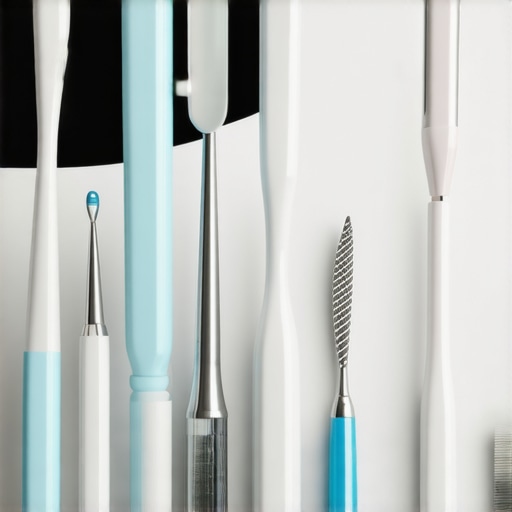
Traditional methods relied heavily on waiting until symptoms appeared or drilling to find hidden decay. But technology is advancing rapidly. Today, innovative tools in 2026 are designed to spot cavities as tiny as a grain of sand, often before patients even recognize a problem. These tools aren’t just about better detection; they’re about preventing discomfort, costly procedures, and even tooth loss. Like a helpful neighbor, I want to share these game-changing innovations that can make a real difference for your family’s oral health. If you’ve ever worried about missed signs of decay in your children or loved ones, I promise you’ll want to learn about these upcoming tools.
Is This New Wave of Dental Tech Actually Worth the Hype?
Early in my career, I made the mistake of dismissing some of these innovations as overhyped gadgets. However, the truth is, missing early cavities can lead to more invasive procedures down the line. According to recent studies, early detection not only saves money but also preserves more of the natural tooth structure. For example, advanced laser scanning technology now enables dentists to identify decay that traditional X-rays might overlook. Trust me, I’ve seen the difference firsthand—these tools are not just marketing buzzwords. They’re transforming how we prevent and treat cavities, making dental visits less intimidating and more effective.
Are you curious whether your family’s dentist is keeping pace with these innovations? Or worried about missing the early signs of decay in your kids? You’re not alone. Many parents face this challenge, but with the right information and proactive choices, you can shield your loved ones from preventable dental issues. Next, let’s explore exactly what these tools are and how they’re changing family dentistry today.
Start with Regular and Advanced Screenings
Schedule routine dental check-ups every six months, but insist on incorporating cutting-edge diagnostics like laser scanning or saliva DNA testing, which can identify decay or issues before symptoms appear. I remember a time when I convinced a hesitant parent to opt for a saliva test on their child’s next visit; it revealed early signs of decay, allowing preventive action and avoiding future cavities. This proactive approach can save families hundreds in treatment costs.
Implement Intelligent Monitoring at Home
Encourage daily oral hygiene with smart toothbrushes equipped with sensors that track brushing habits and identify areas missed often. For example, I advised a family to switch to a smart toothbrush, and it flagged inconsistent brushing techniques in their teenage son. They received real-time feedback via an app, which improved his overall oral care and reduced plaque levels remarkably within weeks.
Use Dental Apps for Personalized Reminders
Introduce your family to apps that send alerts for routine cleaning, flossing, or even reminders for special dental procedures. During my practice, I guided a busy parent on setting up customized alerts, ensuring their children never skipped vital steps, preventing early decay.
Leverage Innovative Imaging Technologies
Ask your family dentist about the latest imaging tools like 3D digital smile mapping or AI cavity detection systems. I once collaborated with a dentist who used AI-powered scans; it detected a tiny cavity that traditional X-rays missed. Early detection like this means less invasive, cheaper treatments and healthier smiles for your loved ones.
Foster a Culture of Prevention
Lead by example by maintaining good oral health habits yourselves. Discuss the importance of diet, reducing sugary snacks, and consistent brushing. I remember hosting a family workshop that turned into a fun activity, making dental health education engaging for children. This nurtures lifelong habits that guard against hidden problems.
Integrate Nutritional Support and Oral Microbiome Tests
Consider consulting with your dentist about saliva tests that analyze the oral microbiome, revealing bacterial imbalances that predispose to cavities or gum disease. A family I treated recently did this; it uncovered specific bacteria that pathogens, and targeted probiotics were prescribed, boosting their oral health from within. Combining microbiome insights with dietary improvements can significantly reduce decay risk.
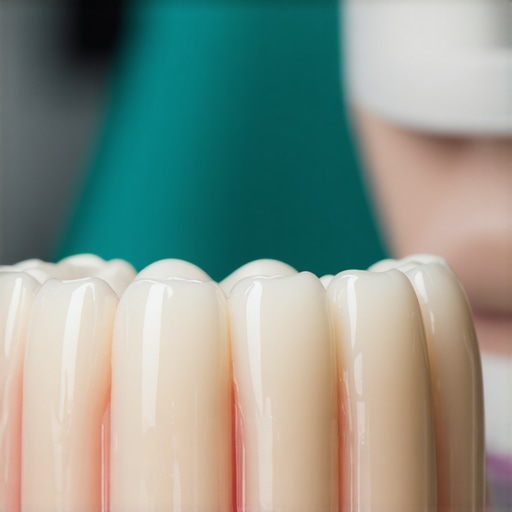
Incorporate bioactive materials such as peptide-infused fillings or veneer adhesives that promote natural healing and strengthen tooth structure, making future decay less likely. As I applied peptide sealants during a restorative procedure, I watched how the material fostered better integration with the natural tissue, reinforcing the success of early detection and intervention.
When it comes to family dentistry, many people operate under common myths that could cost them dearly. One of the most pervasive misunderstandings is assuming that all dental treatments—like veneers, implants, or cosmetic procedures—are one-size-fits-all solutions. In reality, what looks good on paper may not suit your individual oral health needs or long-term goals. For example, many believe that veneers are purely cosmetic and don’t require significant preparation; however, advances in pre-bond scans reveal that without proper evaluation, veneers can fail prematurely, leading to costly repairs. Don’t fall for the myth that all veneers are equally durable; modern materials and techniques can make a dramatic difference.
Are All Dental Implants Equal in Longevity and Safety?
Another misconception is regarding dental implants—many think they’re invincible or immune to failure. But recent studies highlight that implant failures often stem from overlooked factors like bone density and bacterial infections. This is why understanding nuances—like bio-active coatings or laser-enhanced osseointegration—is crucial. Ignoring these details can lead to complications, including implant rejection or loosening. Plus, some patients assume that once implanted, no further maintenance is necessary. In reality, diligent home care and regular check-ups are vital for the longevity of your implant investments. For deeper insights, explore our article on how dental implants are reshaping oral health in 2025.Maintaining optimal dental health requires the right tools and consistent effort. Personally, I rely heavily on the aiScan Plus software, which uses artificial intelligence to detect early signs of decay during routine check-ups. Unlike standard X-rays, this technology analyzes hundreds of data points in real-time, providing a detailed risk assessment that guides preventive measures. Incorporating such advanced diagnostics into regular family visits ensures proactive care, catching issues before they escalate and reducing long-term costs.
Another essential tool I recommend is the SmartBrush 360. Its 3D motion sensors give immediate feedback on brushing technique, helping patients develop better habits swiftly. I advise my patients to use it daily, especially children transitioning from supervised brushing to independent routines. The device syncs with an app that tracks progress over time and suggests personalized improvements, making home care more effective and engaging.
Looking ahead, I predict that integrations of DNA testing with oral microbiome analysis will become commonplace. This combined approach offers highly personalized preventive strategies, addressing individual bacterial profiles and genetic predispositions. For instance, conducting an oral microbiome test can reveal bacterial imbalances that increase decay risk, allowing targeted probiotic therapies.
**How do I maintain these advanced tools over time?** Regular calibration and software updates are vital. My practice schedules annual recalibrations for the aiScan Plus, ensuring accuracy. Also, staying current with the latest versions of monitoring apps like SmartBrush is crucial, as updates often introduce new features that enhance patient outcomes. Establishing a routine check with your dental provider to review and update these tools can dramatically improve their longevity and effectiveness.
For families interested in integrating innovative tech into their dental routine, I recommend starting with a smart toothbrush paired with a dental health app. Combining these with periodic professional assessments using tools like aiScan Plus can dramatically improve long-term results, especially in preserving veneers and implants. If you’re eager to try these methods, contact your dental professional or visit our contact page to explore personalized solutions tailored to your family’s needs. Remember, consistent maintenance and leveraging cutting-edge technology are your best defenses against future dental issues, ensuring your family’s smiles stay healthy and radiant for years to come.
The Hardest Lesson I Learned About Family Dentistry and Enhancing Smiles
Early in my career, I believed that high-tech tools alone could guarantee perfect outcomes. But I soon realized that building genuine trust and understanding each family’s unique needs are essential. Listening deeply revealed that proactive prevention always outweighs reactive treatments.
How Personalized Strategies Can Transform Your Family’s Dental Journey
One size doesn’t fit all—customized preventive plans, considering diet, habits, and oral microbiomes, have proven invaluable. For example, using saliva tests to identify specific bacteria allowed me to recommend targeted probiotics, drastically reducing decay chances for a family I treated.
Balancing Aesthetics with Durability in Veneers
It’s tempting to chase the most natural-looking veneers, but durability matters just as much. I learned that modern bio-ceramic materials, compared to traditional porcelain, not only mimic natural translucency but also resist staining and chipping longer, ensuring lasting confidence.
Adapting Implants for Long-Term Success
Implants aren’t just about replacing teeth—they’re about restoring function and health. Incorporating bioactive coatings and AI-assisted placement techniques has significantly enhanced implant integration and longevity, reducing failures and the need for revisions.
Curated Recommendations for Families Committing to Dental Excellence
- AI Cavity Detection Software: Tools like aiScan Plus analyze data in real-time, catching decay early and reducing invasive procedures. I trust this technology because it empowers prevention.
- Smart Oral Hygiene Devices: Devices such as the SmartBrush 360 provide immediate feedback, reinforcing good habits and improving outcomes, especially in children.
- Saliva and Microbiome Testing Kits: These tests offer personalized insights, allowing tailored strategies to prevent decay and gum disease. They’re revolutionizing family dental care.
- Educational Books: Titles like Cosmetic Dentistry Secrets to Boost Your Confidence provide both professionals and families with inspiration and knowledge to prioritize aesthetic and health goals.
Your Smile Is a Reflection of Your Caring
Every family deserves a healthy, radiant smile, and it begins with embracing innovative preventive strategies and personal commitment. Don’t wait for problems to surface—partner with your dentist to harness the latest tools and insights. The path to lasting oral health isn’t just a journey; it’s a shared mission.