It hit me one morning while brushing in a rush—my smile looked duller than it did just a few months ago. No matter how diligently I brushed, a yellowish hue was creeping in, and I couldn’t ignore it anymore. After spending years sharing tips on maintaining a radiant smile with friends and family, I found myself facing an unsettling truth: some foods are relentless enemies of brightness.
Why I Suddenly Became obsessed with the foods that stain teeth
Have you ever been surprised when a favorite meal turned your mirror into an unwelcome mirror of imperfection? That was my lightbulb moment. I realized that not all stains are created equal; some foods act like tiny, invisible magnets, pulling pigments into your enamel at a faster rate than others. It’s a personal eye-opener that made me rethink my dietary choices and, more importantly, how I maintain my smile.
Imagine the frustration—after so much effort, a simple cup of coffee or a splash of berry juice could undo months of whitening treatments. I’ve been there, and I know how discouraging that can be. But here’s the thing—being aware of these rapid-staining foods allows us to make smart choices, protect our investment in a beautiful smile, and even improve our oral health.
What I want to do today is share my insights into the 5 foods that are more ruthless than black coffee when it comes to staining your teeth. Yes, these foods might be tasty, but they come with a hidden cost that often goes unnoticed until it’s too late. And believe me, I made the costly mistake early on—thinking that just brushing after eating would prevent stains. Spoiler: it doesn’t. Properly understanding the science behind staining can be a game-changer.
Are you tired of noticing dullness or yellowing despite your best brushing efforts? Do you worry about maintaining your bright smile amidst your favorite foods? If so, you’re not alone. I’ve navigated this struggle firsthand and discovered some surprisingly simple ways to minimize the impact.
But first, let’s talk about why these foods are so aggressive and whether cutting them out entirely is necessary. After that, I’ll guide you through practical, evidence-based tips to keep your teeth shining and healthy. As a bonus, I’ll share how to tell if a stain is reversible or if you need professional help—because sometimes, a quick visit to the dentist is the best solution. Want to see some real results? Check out our recommended cosmetic options [here](https://straightsmileortho.com/transform-your-smile-with-veneers-expert-tips-for-perfect-results). Ready? Let’s dive into the first culprit on my list—dark berries—and see what makes them such relentless stainers.
Master the Art of Timing for Brushing and Flossing
After enjoying those staining foods, wait at least 30 minutes before brushing to prevent enamel erosion. I learned this the hard way when, right after a berry-rich snack, I brushed immediately and noticed increased sensitivity. Instead, rinse your mouth with water or a fluoride mouthwash to wash away pigments, then brush gently. Regular flossing helps remove residual particles that could cling to your teeth, reducing stain buildup over time.
Choose Smart Alternatives to Staining Foods
If you love berries or deep-colored sauces, consider swapping them with lighter options during the week. For example, banana smoothies or cauliflower-based sauces provide flavor without the staining risk. When you do indulge, use a straw to minimize contact with your teeth, much like how sipping through a straw reduces staining from dark beverages.
Incorporate Protective Dental Products
Use whitening toothpaste with silica or baking soda to gently polish surfaces and remove superficial stains. For added protection, ask your dentist about professional polishing or sealants that create a barrier against pigments. I found that routine use of these products after a meal significantly reduced stain accumulation, especially when combined with regular professional cleanings.
Adjust Your Diet and Habits
Limit consumption of coffee, tea, red wine, and dark juices, especially close to important social events. When unavoidable, rinse your mouth or chew sugar-free gum afterward to stimulate saliva, which naturally washes away acids and pigments. Drinking plenty of water during meals also helps dilute staining substances and neutralize acids that weaken enamel.
Explore Cosmetic Dentistry Options
For persistent stains that resist at-home treatments, consider veneers or crowns. Veneers are thin shells that cover front surfaces, instantly brightening your smile, while crowns restore damaged teeth. Schedule a consultation to determine the best approach for your specific needs and explore how cosmetic dentistry can boost your confidence and maintain your pearly whites.
Prioritize Routine Dental Visits
Regular check-ups with your dentist prevent stain buildup and catch early signs of discoloration. During cleanings, professional polishing can remove surface stains that brushing alone can’t combat. Don’t wait until discoloration becomes prominent—early intervention keeps your smile shining naturally over time.
Become a Stain-Prevention Pro
Adopting these habits turns you into your own stain prevention hero. Remember, consistent care and smart choices safeguard not just your aesthetics but also your overall oral health. Incorporate gentle cleaning routines, dietary tweaks, and professional treatments into your regimen, and you’ll enjoy a radiant smile that lasts.
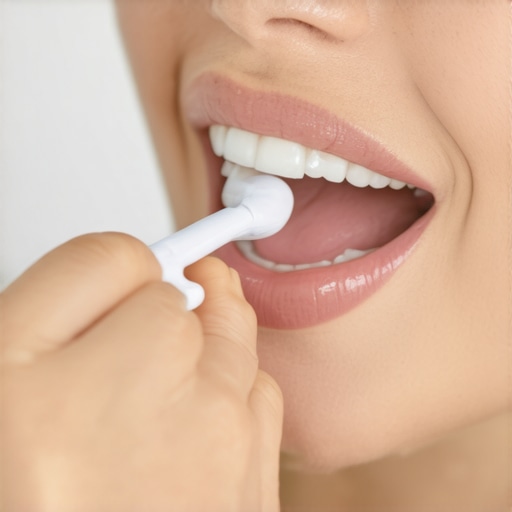 Many patients enter the world of dental restorations believing they have a complete understanding, but the truth is, there’s much more complexity beneath the surface. For example, a widespread myth is that veneers are forever and require no maintenance; however, in reality, they can chip or stain over time if not cared for properly. Similarly, many assume that dental implants are a straightforward solution, but advanced issues like peri-implantitis—a form of inflammation around the implant—can occur if proper hygiene isn’t maintained, as highlighted in recent studies emphasizing continuous care (see [dental implant innovations](https://straightsmileortho.com/dental-implants-2025-innovations-that-redefine-comfort-and-durability)). When it comes to cosmetic dentistry, there’s often a misconception that brighter teeth always mean better health—a dangerous oversimplification since aggressive whitening can weaken enamel and lead to sensitivity. This misjudgment can cause irreversible damage if performed improperly. The trap here is believing that any cosmetic procedure is risk-free or maintenance-free, but every treatment, whether veneers or whitening, requires specific aftercare and professional oversight. Additionally, people tend to underestimate the importance of a comprehensive family dentistry approach. They might think visiting the dentist only when there’s pain suffices, but early detection of issues like cavities or gum disease saves time and costs. Family dentists are uniquely trained to spot subtle signs that suggest wider health concerns, including nutritional deficiencies or systemic diseases influencing oral health. For instance, bleeding gums might seem minor but could point to underlying health problems, as explained in [family dentistry tips](https://straightsmileortho.com/family-dentistry-tips-for-a-lifetime-of-healthy-smiles). Now, for the more sophisticated minds reading this, consider this: How does the evolving technology in dental materials influence the longevity and biocompatibility of restorations? Recent research indicates that advances in ceramics and bioactive materials can significantly extend the lifespan of veneers and implants while reducing adverse reactions—an area worth watching ([see latest innovations](https://straightsmileortho.com/why-your-dental-implant-crown-keeps-falling-off-the-abutment)). This underscores the importance of integrating cutting-edge science into practical dental solutions. Remember, the devil is in the details. While cosmetic procedures can dramatically enhance your confidence, it’s crucial to understand their limitations and maintenance requirements. Have you ever fallen into this trap? Let me know in the comments.Maintaining a radiant smile isn’t just about daily brushing and flossing; it requires the right tools, consistent routines, and professional oversight. Personally, I swear by ultrasonic toothbrushes like the Oral-B Genius X, which uses oscillating-rotating technology proven to remove plaque more effectively than manual brushing. Its built-in sensors and customizable settings help ensure thorough cleaning, especially around veneers and implants. For at-home whitening, I recommend LED whitening kits such as the GLO Science Advanced Plus, which accelerate results through specific light activation—saving time and reducing sensitivity. When I started using these, I noticed my stains faded more evenly, and I avoided the common pitfall of overusing whitening agents, which can weaken enamel. To track my progress and catch early signs of wear or damage, I keep a detailed dental journal paired with high-resolution intraoral cameras like the Sopro 717. These devices allow me to record snapshots of my oral health during routine visits, facilitating precise monitoring over months and years. As we look toward the future, innovations like AI-powered diagnostics and bioactive restorations promise even longer-lasting results with less maintenance.
How do I maintain my dental restorations over time?
Regular professional check-ups remain vital. Scheduling biannual visits for deep cleanings and professional polishing can prevent stubborn stains and address minor issues before they escalate. For example, microscopic surface irregularities on veneers can harbor plaque, leading to discoloration or chipping if neglected. Dental sealants and surface coatings are also game-changers; these create a protective barrier that resists staining and makes routines like brushing more effective. Additionally, laser cleaning technologies, using instruments such as the Cavitron, offer minimally invasive ways to remove biofilm and surface stains without harming restorations. Integrating these tools into your routine guarantees your investment in cosmetic dentistry, like veneers or crowns, continues to shine. Staying ahead requires not just tools but also a mindset geared toward proactive care—think of it as giving your smile the VIP treatment it deserves. As research in bioactive glass materials advances, these can be applied to develop coatings that promote remineralization, further reducing the need for frequent touch-ups. Incorporate such high-tech solutions, and you’ll enjoy the confidence of a healthy, enduring smile. Want to see how these tools work in practice? Book a consultation to explore personalized maintenance strategies that keep your restorations pristine for years to come. Visit our contact page to get started today. 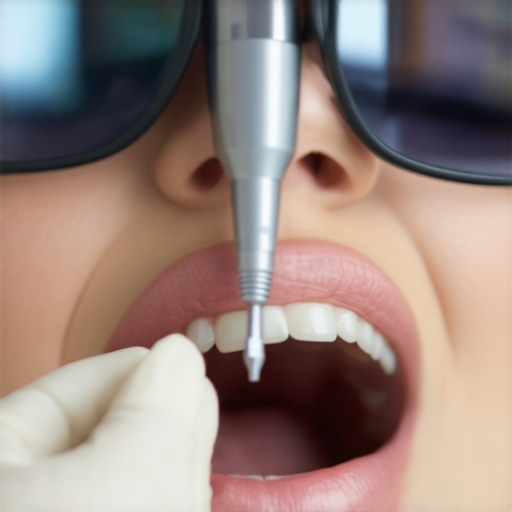 A high-resolution image of a dentist using an intraoral camera during a check-up, emphasizing modern maintenance techniques, with alt text describing advanced dental imaging technology and a title like “Modern Dental Maintenance Tools”.
Lessons From My Own Smile Journey
One unexpected revelation I had was that maintaining a bright smile requires more than just routine brushing; it demands intentional choices, especially regarding diet. I realized that even with excellent oral hygiene, certain foods can subtly undermine my efforts. That insight pushed me to develop smarter eating habits and adopt advanced caregiving routines that I continue to refine. Moreover, I learned that preventive care, such as professional cleanings and modern restorations like veneers or crowns, isn’t merely aesthetic—it’s a cornerstone of oral health longevity. My experience taught me that truly satisfying results are rooted in a combination of knowledge, proactive habits, and the courage to seek expert guidance when needed.
Tools and Resources That Transformed My Approach
Over the years, I’ve found that integrating certain tools makes dental maintenance more manageable and effective. My go-to kit includes an ultrasonic toothbrush like the Oral-B Genius X, which outperforms manual brushing in plaque removal, particularly around dental restorations. For at-home whitening, I swear by LED kits such as the GLO Science Advanced Plus—these help sustain a brighter hue without risking enamel damage. To monitor my ongoing oral health, I utilize intraoral cameras like the Sopro 717 for detailed visuals, making it easier to catch early issues before they escalate. Lastly, I stay informed through trusted sources like cosmetic dentistry insights that keep me up-to-date on innovative preservation techniques and emerging materials that extend the lifespan of restorations.
Your Path to a Radiant, Healthy Smile Starts Today
Choosing to prioritize your dental health and cosmetic goals is a powerful step toward lifelong confidence. Remember, every small effort—be it careful dietary choices, consistent professional visits, or exploring advanced options like veneers and implants—contributes to a gleaming smile that genuinely reflects your inner vitality. The future of cosmetic and family dentistry continues to evolve with cutting-edge materials and techniques, making it easier than ever to enjoy a beautiful and durable smile. So, take that first step—your future self will thank you for it. Are you ready to implement one new habit today that could transform your smile’s health and appearance? Let me know below!